By Marcus Reid | Last updated: June 17, 2026
CBD and THC come from the same plant family, appear in similar products, and get discussed in the same conversations. They are also very different compounds with different effects, legal statuses, and appropriate uses. Understanding the distinction matters whether you are considering CBD for the first time or just trying to make sense of what you are reading on a product label.
What Are CBD and THC?
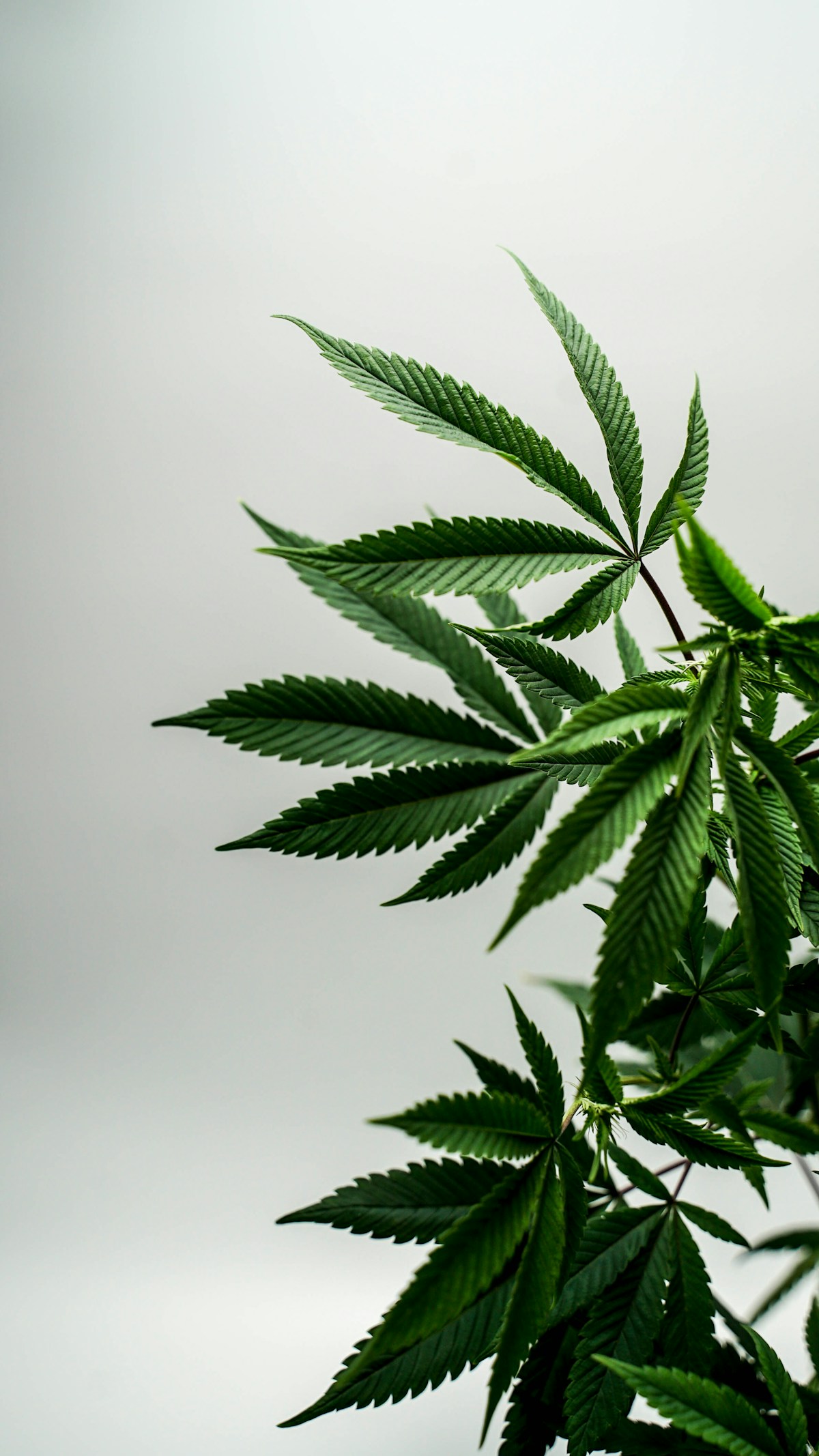
Both CBD (cannabidiol) and THC (tetrahydrocannabinol) are cannabinoids, chemical compounds found in cannabis plants. Hemp and marijuana are both members of the cannabis family, but they differ significantly in their THC content. Hemp contains less than 0.3% THC by law in the US, while marijuana can contain anywhere from 5% to over 30% THC.
CBD is typically extracted from hemp, which is why commercially available CBD products can be legal in many places where marijuana is not. Both compounds interact with the body’s endocannabinoid system, but they do so in very different ways. For a deeper explanation of how this system works, see: How Does CBD Work? The Endocannabinoid System Explained.
The Key Difference: Psychoactive Effects
THC is the compound responsible for the “high” associated with marijuana. It binds directly and strongly to CB1 receptors in the brain, producing the euphoria, altered perception, and intoxication that characterize cannabis use.
CBD does not produce a high. It does not bind strongly to CB1 receptors in the same way THC does. In fact, CBD may reduce some of THC’s psychoactive effects by modulating how THC interacts with those receptors. This is one reason why full-spectrum CBD products, which contain trace THC under 0.3%, do not produce intoxication at normal doses.
This distinction matters practically: you can take CBD during the day, before work, or before driving without the impairment concerns that come with THC. CBD affects alertness much less than THC does at comparable doses.
How Each Interacts with the Body
THC binds directly to both CB1 receptors (primarily in the brain and central nervous system) and CB2 receptors (primarily in immune tissue). This direct binding produces its potent psychoactive and pain-modifying effects.
CBD works more indirectly. Rather than binding strongly to cannabinoid receptors, it modulates the endocannabinoid system in more subtle ways and also interacts with non-cannabinoid receptors including serotonin receptors (5-HT1A) and TRPV1 channels. This broader mechanism is why CBD is studied for anxiety, inflammation, and pain without producing intoxication.
Legal Status
THC is a controlled substance in most countries and US states. While medical and recreational marijuana laws have expanded significantly, THC remains federally illegal in the United States and restricted in most countries worldwide.
CBD derived from hemp (under 0.3% THC) is legal under federal US law following the 2018 Farm Bill. Most Western countries have similar provisions allowing hemp-derived CBD. However, the legal picture is more nuanced than a simple yes or no, and it varies by country and by product type. For a full breakdown, see: Is CBD Legal? A Country-by-Country Guide.
Drug Testing
Standard drug tests screen for THC metabolites, not CBD. Pure CBD isolate products should not trigger a positive THC drug test under normal circumstances.
However, full-spectrum CBD products contain trace THC. With frequent or high-dose use, enough THC metabolites can accumulate to trigger a positive test. If you are subject to drug testing, broad-spectrum or isolate CBD products are the safer choice. For more on extract types, see: Full-Spectrum vs Broad-Spectrum vs Isolate: What’s the Difference?.
Medical Uses
THC has established medical uses, particularly for nausea associated with chemotherapy, appetite stimulation, and certain types of pain. Several THC-based medications are FDA-approved.
CBD has one FDA-approved medication: Epidiolex, used for two rare forms of childhood epilepsy. Beyond this, research into CBD covers anxiety, inflammation, sleep disorders, and pain, with promising results in many areas but fewer large-scale clinical trials than THC has accumulated over decades of medical cannabis research.
For general wellness use, CBD is the practical option for most people because it is accessible, non-intoxicating, and legal in most markets.

Frequently Asked Questions
Will CBD get you high?
No. CBD does not produce a high. It does not bind to CB1 receptors the way THC does and does not cause intoxication at normal doses. Full-spectrum CBD contains trace THC under 0.3%, which is not enough to produce psychoactive effects.
Does CBD show up on a drug test?
Drug tests look for THC metabolites, not CBD itself. Pure CBD isolate products should not cause a positive test. Full-spectrum CBD contains trace THC that can accumulate with heavy or frequent use. If drug testing is a concern, use broad-spectrum or isolate CBD.
Is CBD the same as marijuana?
No. CBD is a specific compound derived from hemp, which contains very low THC. Marijuana refers to cannabis with significant THC content. CBD products that meet legal standards contain under 0.3% THC and do not produce marijuana’s psychoactive effects.
Can you take CBD and THC together?
Yes, and this is how full-spectrum products work. CBD may reduce some of THC’s less desirable effects, including the anxiety or paranoia some people experience with high-THC cannabis. In medical cannabis settings, the two are sometimes deliberately combined to optimize the overall effect.