By Marcus Reid | Last updated: September 19, 2026
CBD oil and CBD patches represent two genuinely different pharmacological approaches to delivering cannabidiol for pain. They are not interchangeable. Choosing the wrong format can mean underwhelming results even with a high-quality product. This comparison breaks down both options across the criteria that matter most for pain management.

Side-by-Side Comparison: CBD Oil vs CBD Patches
| Feature | CBD Oil (Sublingual) | CBD Patches (Transdermal) |
|---|---|---|
| Onset time | 15–45 minutes | 45 minutes – 2 hours |
| Duration of effect | 4–6 hours | 8–24+ hours (steady) |
| Bioavailability | 13–35% (sublingual) | Higher — bypasses liver |
| Blood level profile | Peak then decline | Steady constant release |
| Dose flexibility | High — adjust by drop | Low — fixed per patch |
| Cost per dose | Lower | Higher |
| Convenience | Requires dosing 2–3x/day | Apply once, forget it |
| Best use case | Acute flares, flexible dosing | Chronic all-day coverage |
How Each Format Delivers CBD to the Body
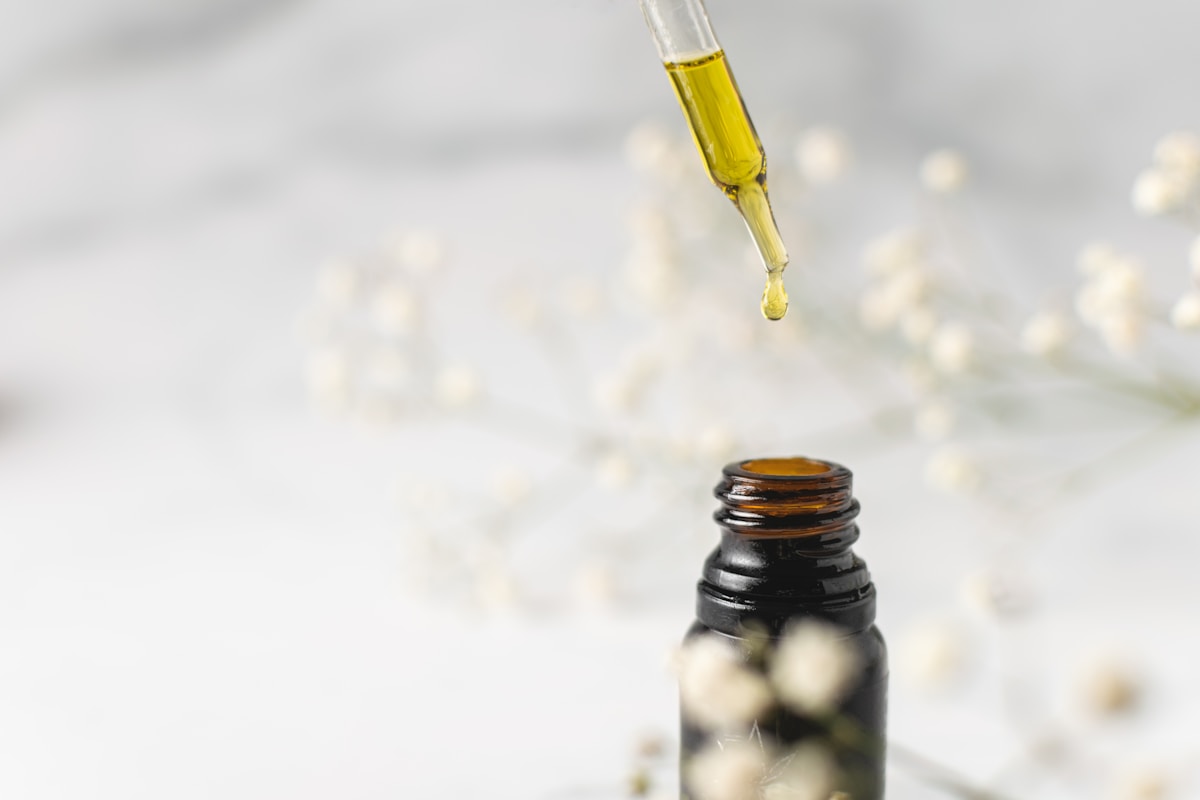
CBD oil (sublingual): Held under the tongue for 60 to 90 seconds, CBD absorbs through the mucous membranes and capillaries directly into blood circulation, partially bypassing first-pass liver metabolism. This gives sublingual oil higher bioavailability than oral ingestion (swallowing the oil directly, which is processed through the gut and liver, has bioavailability of only 6% to 19%). Sublingual bioavailability is estimated at 13% to 35%, with onset in 15 to 45 minutes. Blood levels peak and then decline over 4 to 6 hours, requiring re-dosing for sustained coverage.
CBD patches (transdermal): CBD moves from the patch matrix through the skin layers into subcutaneous capillaries, entering blood circulation without any digestive processing. This completely bypasses first-pass metabolism, resulting in higher and more consistent bioavailability than oral or even sublingual formats. A review in the European Journal of Pharmaceutics and Biopharmaceutics confirmed that transdermal cannabinoid delivery achieves more consistent plasma concentrations than oral administration. The trade-off is slower onset and a fixed dose per patch. For a complete explanation of how patches work, see: CBD Patches: How Do They Work?.
Which Works Better for Chronic Pain?
For chronic pain conditions (arthritis, fibromyalgia, neuropathy, persistent back pain), CBD patches have a meaningful pharmacological advantage: constant blood levels throughout the day. Pain relief from CBD depends on maintaining adequate plasma concentrations, and the peak-trough pattern of twice-daily oil dosing creates windows where CBD levels drop below the threshold where they are effective. Patches eliminate this problem.
For acute or situational pain (post-exercise soreness, breakthrough pain flares, injury-related inflammation), CBD oil wins because of faster onset. A patch applied when pain spikes will take 45 minutes to 2 hours to begin working. Oil under the tongue can provide relief in 15 minutes. For more on CBD for specific pain types, see: CBD and Inflammation: The Science Behind the Benefits and CBD for Nerve Pain.
Our Top Picks for Each Format
Best CBD Patch for Pain: Health Patch CBD
Health Patch CBD is our recommended patch option for buyers in Germany, Austria, and Switzerland. Priced at €55, it offers consistent transdermal CBD delivery with EU-compliant THC levels and third-party testing. The penetration-enhancing formulation is critical for effective transdermal delivery — not all patches achieve meaningful skin absorption, but a well-formulated patch produces reliably steady blood levels over the wear period.
→ Check Health Patch CBD (DE/AT/CH)
Best CBD Oil for Pain: CBD Pure Hemp Oil
For US buyers, CBD Pure Hemp Oil delivers a full-spectrum oil made without harsh chemical solvents, with a publicly posted lab report (cannabinoids, THC, solvents, pesticides and heavy metals) and multiple potency options. The sublingual format is ideal for flexible dosing and faster onset when pain is unpredictable, and the 90-day money-back guarantee gives you time to find your effective dose. Full review: CBD Pure Hemp Oil Review 2026.
→ Check CBD Pure Hemp Oil (US)
Can You Use Both at the Same Time?
Yes, and this is often the most effective approach for chronic pain. Use a patch for baseline all-day coverage and keep a sublingual CBD oil available for acute flares. The patch maintains consistent blood levels while the oil handles breakthrough pain that requires faster response. This combination strategy mirrors how opioid pain management works with long-acting and short-acting formulations, applying the same logic to CBD.
When combining formats, start with the patch alone first and establish your baseline response before adding oil. This prevents attributing effects to the wrong product and makes dose adjustment easier. For complete dosing guidance, see: CBD Dosage Guide: How Much Should You Actually Take?.

Frequently Asked Questions
Is CBD oil or a CBD patch better for pain?
It depends on the type of pain. For chronic pain requiring consistent all-day coverage, CBD patches are pharmacologically superior because they maintain steady blood CBD levels without re-dosing. For acute pain flares requiring fast relief, CBD oil taken sublingually works in 15 to 45 minutes versus the 45-minute to 2-hour onset of patches.
Do CBD patches or CBD oil absorb better?
CBD patches achieve higher bioavailability because transdermal delivery completely bypasses first-pass liver metabolism. Sublingual CBD oil partially bypasses the liver and has bioavailability of 13% to 35%. Oral CBD (swallowed oil) has the lowest bioavailability at 6% to 19%. For the amount of CBD reaching your bloodstream per milligram administered, patches win.
How long does a CBD patch last compared to oil?
CBD patches typically maintain active CBD release for 8 to 24 hours per patch, with some extended-release formulations lasting up to 96 hours. Sublingual CBD oil produces peak blood levels at 1 to 2 hours after dosing and effects taper over 4 to 6 hours, requiring re-dosing 2 to 3 times per day for continuous coverage.
Which is cheaper — CBD oil or CBD patches?
CBD oil is typically cheaper per milligram of CBD delivered. However, the relevant cost comparison is efficacy per dollar, not raw milligrams. A smaller amount of CBD delivered via patch achieves comparable or greater systemic effect than a larger oral dose because bioavailability is higher. The practical cost difference is smaller than the milligram-per-dollar comparison suggests.