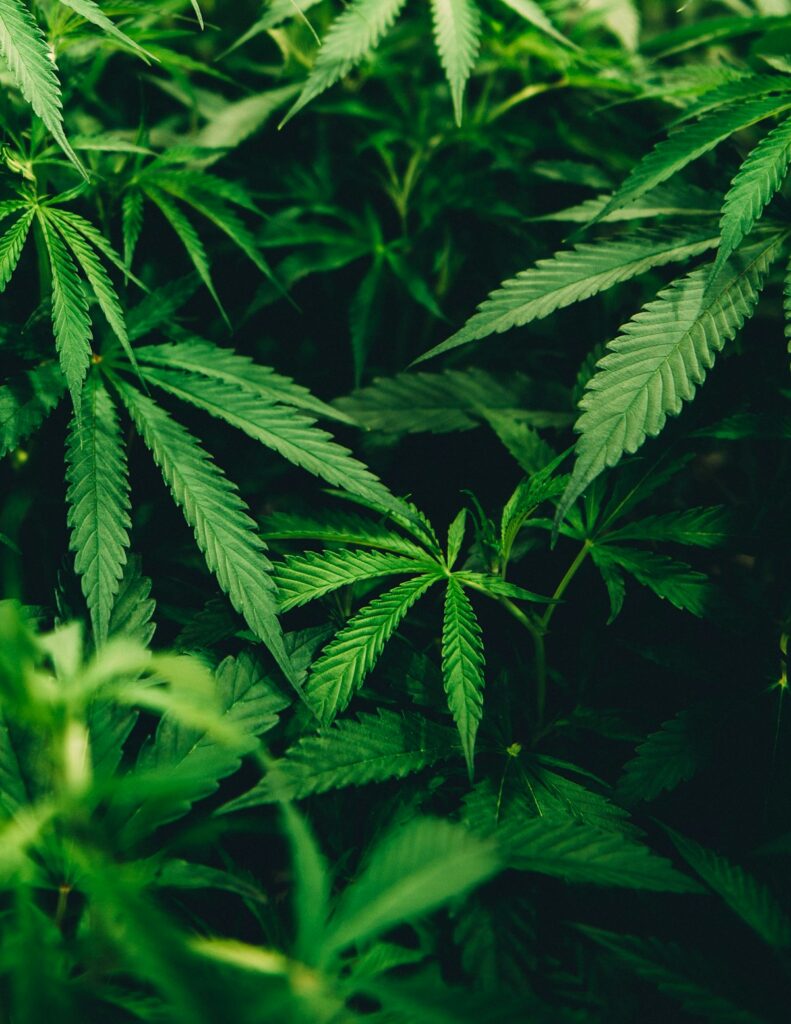
Hemp and marijuana are often treated as if they are completely different plants. They are not — both are Cannabis sativa. The difference is legal, biological, and practical, and understanding it clarifies a lot of confusion around CBD products.
The Simple Answer
Hemp and marijuana are the same plant species — Cannabis sativa L. — distinguished primarily by their THC content:
| Feature | Hemp | Marijuana |
|---|---|---|
| Species | Cannabis sativa | Cannabis sativa (or indica) |
| THC content | Less than 0.3% | Up to 30% |
| CBD content | High (bred for it) | Variable (usually lower) |
| Legal status (US) | Federally legal (2018 Farm Bill) | Federally illegal; state-dependent |
| Effect when consumed | No psychoactive effect | Psychoactive (“high”) |
| Primary uses | CBD, fiber, seeds, food | Recreational, medical cannabis |
Where the 0.3% THC Line Comes From
The 0.3% THC threshold was first proposed in a 1979 book by Canadian researcher Ernest Small, who used it as a taxonomic distinction between hemp and drug-type cannabis. It was not originally a legal standard — it was a scientific convenience.
The US 2018 Farm Bill adopted this same 0.3% figure as the legal definition of hemp, making it the threshold for federal legality. Other countries use different limits: the EU uses 0.2% THC, Switzerland allows up to 1%, and some states allow higher levels for medical purposes.
Why All CBD Products Come from Hemp
Legal CBD products are derived from hemp — not marijuana. This is true in the US, UK, EU, and most markets where CBD is legally sold. The reason is simple: hemp is high in CBD and low in THC, while marijuana is the opposite.
Hemp has been selectively bred over decades to maximize CBD content while keeping THC below legal thresholds. Modern hemp cultivars can produce plants with 15–20% CBD by dry weight — making them an efficient and legal source of CBD extract.
When a CBD product label says “hemp-derived CBD,” it means the CBD was extracted from a hemp plant (not marijuana) and should contain less than 0.3% THC. For guidance on verifying this, see our guide on how to read a CBD Certificate of Analysis.
Does Hemp CBD Work the Same as Marijuana CBD?
Yes — CBD is CBD regardless of whether it came from a hemp plant or a marijuana plant. The molecule is chemically identical. The difference is only in what else comes with it: hemp-derived CBD products contain very little THC, while cannabis-derived CBD products (available in medical cannabis programs) may contain more.
Some researchers suggest that marijuana-derived CBD may be more effective for certain conditions because of the entourage effect — the interaction between CBD, THC, and other cannabinoids. See our guide on what the entourage effect is. However, for most everyday wellness uses, hemp-derived CBD is effective and legal.
Hemp Seeds and Hemp Oil vs CBD Oil
One important distinction that confuses many buyers: hemp seed oil is not the same as CBD oil.
- Hemp seed oil — pressed from hemp seeds, contains no CBD or other cannabinoids; rich in omega-3 fatty acids and used as a food supplement or skincare ingredient
- CBD oil — extracted from hemp flowers and leaves, contains CBD and other cannabinoids; this is the active product
Some products sold as “hemp oil” in supermarkets or beauty stores are hemp seed oil with no CBD content. Always check the label for milligrams of CBD — if it is not listed, you are probably looking at hemp seed oil, not a CBD product.
Frequently Asked Questions
Is hemp the same as marijuana?
Same species, different THC content. Hemp has under 0.3% THC — not psychoactive. Marijuana has up to 30% THC. All legal CBD products are hemp-derived.
Will hemp CBD get you high?
No. Hemp-derived CBD has under 0.3% THC — far too little to produce any psychoactive effect. CBD itself is not psychoactive regardless of source.
What is the difference between hemp oil and CBD oil?
Hemp seed oil comes from seeds and contains no CBD. CBD oil comes from hemp flowers and leaves and contains cannabidiol. They are completely different products despite both coming from hemp.