By Marcus Reid | Last updated: September 14, 2026
Disclosure: CBD Insiders Guide earns a commission if you buy through links on this page, at no extra cost to you. Commissions never affect our rankings or our editorial scores.
Quick answer: The best CBD oil in 2026 is a full-spectrum hemp extract that carries a batch-specific third-party lab report (Certificate of Analysis), keeps THC at or below 0.3 percent, and states its CBD milligrams per serving. In our comparison of CBD products sold to United States buyers, CBD Pure Hemp Oil is our top pick, with a CBD Insiders Guide editorial score of 8.4 out of 10 for lab transparency, dosing flexibility, and its 90-day money-back guarantee. It is the only true liquid tincture in our current lineup.
Best CBD oil for anxiety: most people who want a calmer baseline choose a full-spectrum oil in the 25mg to 50mg per serving range, taken under the tongue so it absorbs in roughly 15 to 45 minutes. CBD has been studied for anxiety but is not an approved treatment, so speak with a clinician if anxiety affects your daily life.
The best CBD oil for most people is a full-spectrum sublingual tincture, because holding it under the tongue lets part of the dose absorb through the lining of the mouth before the rest is swallowed. Published pharmacokinetic reviews put the oral bioavailability of CBD in the low single digits to low double digits, and the estimates vary widely between studies and formulas. What matters more in practice is buying a product with a real lab report, a spectrum that fits your situation, and a dose you can adjust. This guide explains how we ranked the options, what to check before you buy, and which product we recommend first.
Best CBD Oil in 2026 at a Glance
| Product | Format | Spectrum | THC | Best for | Guarantee |
|---|---|---|---|---|---|
| CBD Pure Hemp Oil | Sublingual tincture | Full-spectrum | Within 0.3% limit | Precise dosing, whole hemp profile | 90 days |
| Forest Mountain Farms Gummies | Gummy | Broad-spectrum | Non-detectable | Drug-tested users, THC avoidance | Check brand policy |
| CBD Care Full Spectrum Gummies | Gummy | Full-spectrum | Trace, up to 0.3% | Evening use, entourage effect | Check brand policy |
How We Reviewed the CBD Oils on This Page
This is an editorial review by Marcus Reid, not a laboratory assay and not an average of customer ratings. We shortlisted CBD products sold to United States buyers and scored each one on five things: whether a batch-specific third-party lab report is published and how recent it is, cannabinoid spectrum, CBD potency as stated on the label, cost per milligram of CBD, and the refund policy. No brand paid for placement.
Potency figures on this page come from each brand’s published Certificates of Analysis and product labels, which we cross-checked against the wider category. We did not run our own lab tests. When a product changes its formula, price, or lab partner, we update this page and change the date at the top. Our editorial score runs from 1 to 10 and reflects the five criteria above, weighted toward lab transparency and value.
CBD Pure Hemp Oil: Best CBD Oil Overall
CBD Insiders Guide editorial score: 8.4 / 10. Independent assessment by Marcus Reid, based on our review criteria. It is not an average of customer reviews.
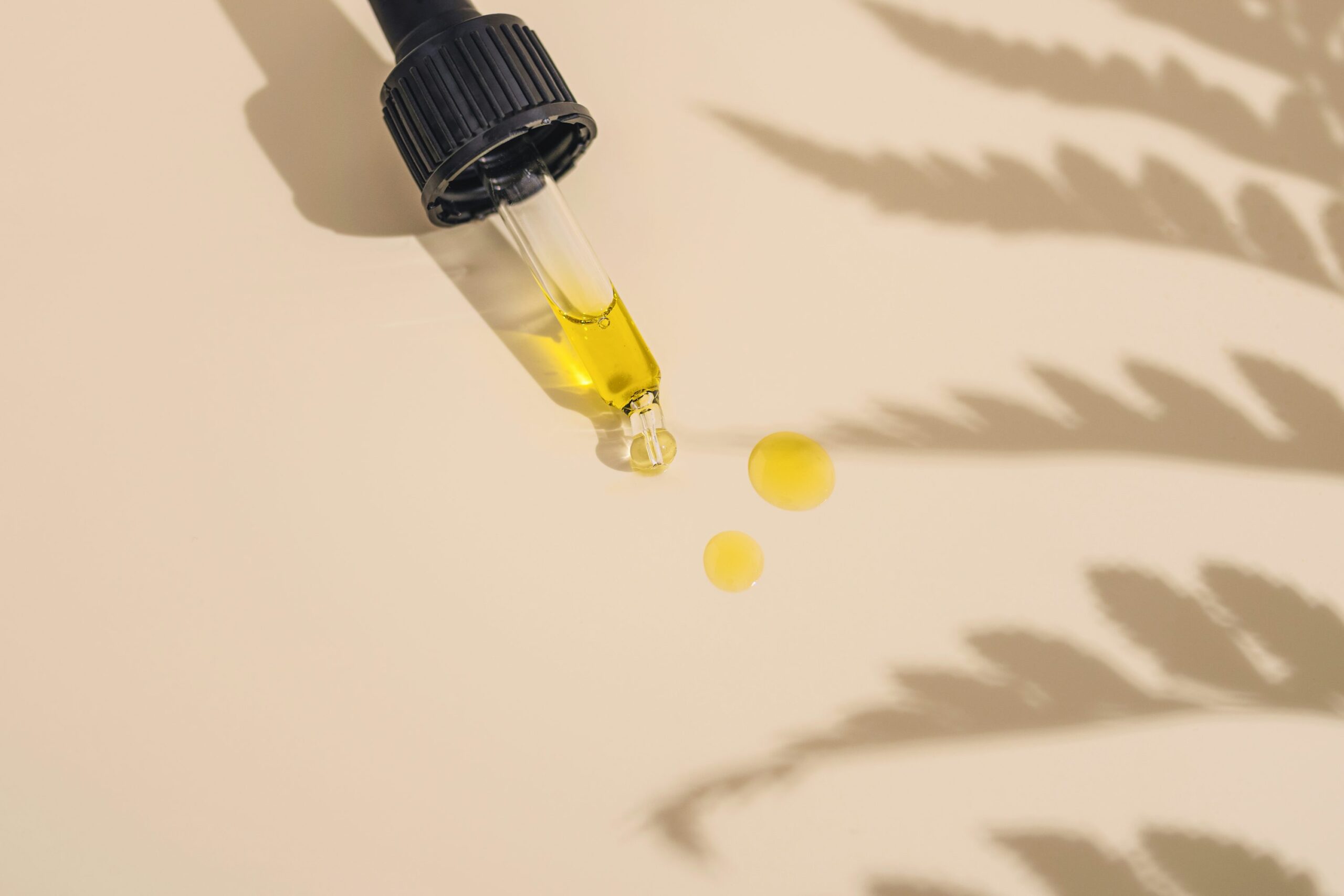
CBD Pure Hemp Oil is a full-spectrum sublingual tincture with THC kept within the 0.3 percent federal limit. The brand publishes third-party lab results for potency and contaminants, and the oil comes in more than one strength, so you can start low, near 15mg, and move up without switching products. Every order is backed by a 90-day money-back guarantee, one of the longest trial windows in the category, which gives you time to judge whether it helps your situation.
What we liked: clear per-serving CBD labeling, a full-spectrum extract for people who want the whole hemp profile, and a return policy that is easy to find. What could be better: it is sold mainly to United States addresses, the published lab report was several months old when we checked, and there is no THC-free version for people who get drug tested.
- Format: sublingual tincture, full-spectrum
- Best for: people who want precise dose control and the full hemp profile
- THC: within the 0.3 percent legal limit
- Guarantee: 90 days, money back
Editorial sub-scores: lab transparency 8/10, potency labeling 9/10, sourcing 8/10, value 8/10, guarantee 9/10.
Try it with a safety net: every order comes with a 90-day money-back guarantee, so you have three full months to decide whether it works for you.
Check CBD Pure Hemp Oil (affiliate link)
Full review: CBD Pure Hemp Oil Review 2026. See also our CBD Dosage Guide.
What Is the Best CBD Oil for Anxiety?
For anxiety, most people choose a full-spectrum CBD oil at 25mg to 50mg per serving, taken under the tongue for a 15 to 45 minute onset. Full-spectrum keeps the trace THC and minor cannabinoids that some users report feel more calming than isolate. Our pick for this use is CBD Pure Hemp Oil, the only tincture in our lineup.
The research here is early. A 2019 case series published in The Permanente Journal followed 72 adults at a psychiatric clinic and reported lower anxiety scores in most of them within the first month of adding CBD, though the study was retrospective, had no placebo group, and used varied doses. Controlled trials have mostly tested single large doses in narrow situations such as public speaking. CBD has been studied for anxiety and some users report a calmer baseline, but it is not a treatment and results vary from person to person.
If you want to try it, a common approach is to start near 15mg to 25mg per day, hold that for a week, and adjust slowly. An oil makes this easier than gummies because you change the dose by the drop. If you take other medication, read the safety section below first and talk to a pharmacist. For related reading: How Long Does It Take for CBD to Work?
What Should You Look For in a CBD Oil?
A quality CBD oil lists its exact CBD milligrams per bottle and per serving, publishes a batch-specific third-party Certificate of Analysis, and states whether it is full-spectrum, broad-spectrum, or isolate. Look for THC at or below 0.3 percent, a named carrier oil such as MCT or hemp seed oil, and a price in the range of 5 to 15 cents per milligram of CBD.
- Certificate of Analysis: a recent, batch-specific lab report from an outside lab, showing CBD and THC content plus tests for pesticides, solvents, and heavy metals. If a brand hides this or the report is a year old, move on.
- Spectrum: full-spectrum has the whole extract, including up to 0.3 percent THC; broad-spectrum keeps the minor cannabinoids but removes THC to non-detectable levels; isolate is pure CBD. If you are drug tested, choose broad-spectrum or isolate.
- Potency and price per mg: divide the price by the total CBD milligrams in the bottle. Most fair-value oils land between 5 and 15 cents per milligram.
- Carrier oil: MCT (coconut) and hemp seed oil are the common choices. The label should name it.
- Extraction: CO2 and food-grade ethanol are the standard clean methods.
For the format question, see CBD Oil vs Gummies vs Capsules. For the spectrum question in depth, see Full Spectrum vs Broad Spectrum vs CBD Isolate.
How Do You Take CBD Oil for the Best Results?
Most CBD oils are taken sublingually: shake the bottle, draw the labeled dose into the dropper, hold it under your tongue for 60 to 90 seconds, then swallow. Taken this way, effects are usually felt in 15 to 45 minutes and last about 4 to 6 hours. Start near 10mg to 20mg per day and adjust every few days.
For an ongoing issue such as everyday tension or joint discomfort, pick a consistent time each day and give any dose two full weeks before you change it. Commonly reported daily ranges run from about 25mg to 75mg, but the right amount varies by body weight, the product, and what you are using it for. These are user-reported ranges, not a prescription, so ask your doctor what is right for you. Taking the oil with a meal that contains some fat may improve how much you absorb. Full breakdown by situation: CBD Dosage Guide.
Is CBD Oil Safe?
CBD is generally reported as well tolerated, but it is not risk-free. Commonly reported side effects include drowsiness, dry mouth, diarrhea, and appetite or weight changes. CBD can interact with medicines processed by the liver, including some blood thinners. The FDA has not approved CBD as a supplement, and this article is general information, not medical advice.
Medication interactions. CBD can slow the liver enzymes (CYP3A4 and CYP2C19) that break down many common medicines, including the blood thinner warfarin, some anti-seizure drugs, certain antidepressants, and immunosuppressants. That can raise or lower the level of those drugs in your body. If you take any prescription medication, talk to your doctor or pharmacist before using CBD.
Who should be extra careful. Talk to a professional first if you are pregnant or breastfeeding, have liver disease, or have a diagnosed medical condition. The FDA advises against CBD use during pregnancy and breastfeeding.
Drug testing. Full-spectrum CBD oil contains trace THC and can trigger a positive urine test, especially at higher daily doses taken over time. Broad-spectrum and isolate products carry lower risk, but none can be guaranteed, because CBD products are not federally tested for content.
Legal note. Under the 2018 Farm Bill, hemp-derived CBD with no more than 0.3 percent THC by dry weight is legal at the federal level in the United States, though state laws still differ. The only FDA-approved CBD medicine is the prescription drug Epidiolex. Statements on this page have not been evaluated by the FDA, and CBD is not intended to diagnose, treat, cure, or prevent any disease.
Sources: U.S. Food and Drug Administration, The Permanente Journal, 2019 case series.
Should You Choose CBD Gummies Instead of Oil?
Choose CBD oil if you want faster onset and the ability to fine-tune your dose by the drop. Choose gummies for a fixed, pre-measured dose, no hemp taste, and easier use away from home. Gummies are swallowed, so they usually take 45 to 90 minutes to take effect, against 15 to 45 minutes for sublingual oil.
Oil is not right for everyone. If you dislike the taste of hemp extract, or you just want something you can keep in a bag without a dropper, a gummy delivers the same cannabinoids in a set amount. These are our top gummy picks. They are not oils, but they are solid alternatives if drops are not for you.
Forest Mountain Farms CBD Gummies: Best Zero-THC Gummy
USDA organic sourcing, batch-specific third-party COAs, and a broad-spectrum profile that keeps CBG and other minor cannabinoids while THC is confirmed non-detectable at the batch level. A good fit if you are drug tested or want to avoid THC entirely. Full review: Forest Mountain Farms CBD Review 2026.
Check Forest Mountain Farms CBD Gummies (affiliate link)
CBD Care Full Spectrum Gummies: Best Full-Spectrum Gummy
A full-spectrum formula that keeps the trace THC and minor cannabinoids some users report they prefer for evening use. Full-spectrum products have been studied for a possible entourage effect, where the compounds may work together, though the evidence is still limited. Not a good choice if you are drug tested.
Check CBD Care Full Spectrum Gummies (affiliate link)
Frequently Asked Questions About CBD Oil
What is the best CBD oil in 2026?
In our comparison, CBD Pure Hemp Oil rated highest with a CBD Insiders Guide editorial score of 8.4 out of 10 for lab transparency, dosing flexibility, and value. It is a full-spectrum sublingual tincture with a published third-party lab report, more than one strength, and a 90-day money-back guarantee.
What is the best CBD oil for anxiety?
Most people looking for calm choose a full-spectrum oil at 25mg to 50mg per serving, taken under the tongue for a 15 to 45 minute onset. Our pick for this use is CBD Pure Hemp Oil. CBD has been studied for anxiety but is not an approved treatment, so speak to a clinician if symptoms affect daily life.
What is the difference between full-spectrum and broad-spectrum CBD oil?
Full-spectrum contains the whole hemp extract, including up to 0.3 percent THC. Broad-spectrum keeps the minor cannabinoids but removes THC to non-detectable levels. Isolate is pure CBD with nothing else. Choose broad-spectrum or isolate if you are drug tested; many users prefer full-spectrum otherwise.
How do you take CBD oil?
Shake the bottle, draw the labeled dose into the dropper, place it under your tongue, hold for 60 to 90 seconds, then swallow. Start near 10mg to 20mg per day and adjust every few days. Taking it with a meal that contains fat may improve absorption.
How long does CBD oil take to work?
Taken under the tongue, CBD oil is usually felt in 15 to 45 minutes, with effects lasting about 4 to 6 hours. Swallowed directly or added to food, it takes 45 to 90 minutes because it goes through digestion first. For ongoing issues, changes often build over 2 to 4 weeks of daily use. See: How Long Does It Take for CBD to Work?
Will CBD oil show up on a drug test?
It can. Full-spectrum CBD oil contains trace THC and may cause a positive urine test, especially at higher daily doses. Broad-spectrum and isolate products are lower risk but not guaranteed, because CBD products are not federally tested for content. Avoid full-spectrum if you are tested for work.
Is CBD oil legal in the United States?
Hemp-derived CBD with 0.3 percent THC or less is legal at the federal level under the 2018 Farm Bill. State laws still differ, and a few states restrict or ban retail CBD. The FDA has not approved CBD as a supplement, and only the prescription drug Epidiolex is FDA approved.
About the author
Marcus Reid is a wellness journalist and independent CBD researcher who has covered natural health products and cannabinoid research for over a decade. He reviews certificates of analysis, brand lab documentation, and product labels with a focus on transparency, third-party data, and real-world results. He is not a doctor or a pharmacist and does not perform laboratory testing, and nothing he writes is medical advice. More on the About page.
This page contains affiliate links. If you buy through them we may earn a commission at no extra cost to you, and it never changes our rankings or scores. Read our affiliate disclaimer.