By Marcus Reid | Last updated: July 17, 2026
CBD has become one of the most discussed natural options for women dealing with menstrual pain, PMS symptoms, and hormonal fluctuations. The interest is understandable: hormonal changes affect the endocannabinoid system directly, and CBD interacts with that same system. But the conversation is often either overpromising or dismissive. This guide covers what the evidence actually shows, where CBD may genuinely help, and how to approach it practically.
Why Hormones and CBD Are Connected
The endocannabinoid system (ECS) plays a direct role in hormonal regulation. Endocannabinoid receptors are found throughout the female reproductive system, including the uterus, ovaries, and the hypothalamus-pituitary axis that governs hormone release. Estrogen levels directly influence the ECS: when estrogen is high, ECS activity tends to increase. When estrogen drops, as it does before menstruation and during perimenopause, ECS tone decreases, which can affect pain sensitivity, mood, and sleep quality.
This connection is why many women report that CBD feels more or less effective at different points in their cycle. It is also why CBD is a reasonable area to explore for hormonally-linked symptoms: it is working with a system that is already directly involved in those symptoms. For a deeper look at how CBD interacts with the body, see: How Does CBD Work? The Endocannabinoid System Explained.
CBD for Menstrual Pain and Cramps
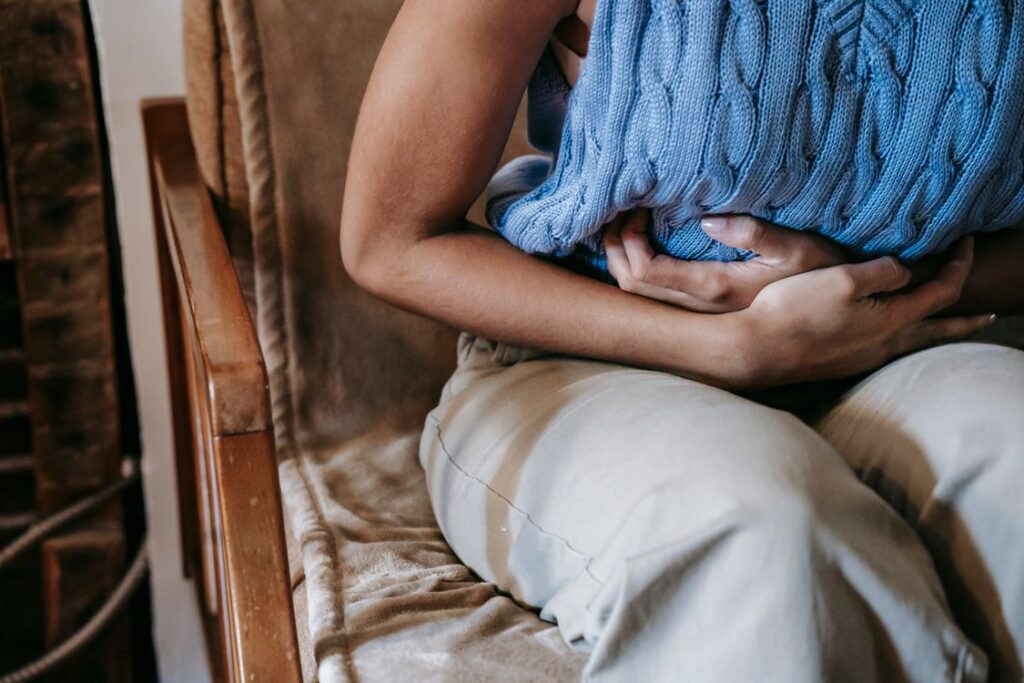
Dysmenorrhea, the medical term for painful periods, affects an estimated 50% to 90% of menstruating women at some point, according to research published in the Journal of Pain Research. The pain is primarily driven by prostaglandins, inflammatory compounds that cause uterine contractions. CBD’s documented anti-inflammatory properties, particularly its modulation of TRPV1 and COX-2 pathways, are the reason it is discussed as a potential option for period pain.
The honest picture is that direct clinical trials on CBD for period pain specifically are limited. What exists is indirect evidence: CBD reduces inflammation and pain sensitivity through mechanisms relevant to dysmenorrhea, and a growing body of observational data from women reporting significant improvements. This does not confirm that CBD is a proven treatment for period pain, but it does explain why so many women try it and report benefit.
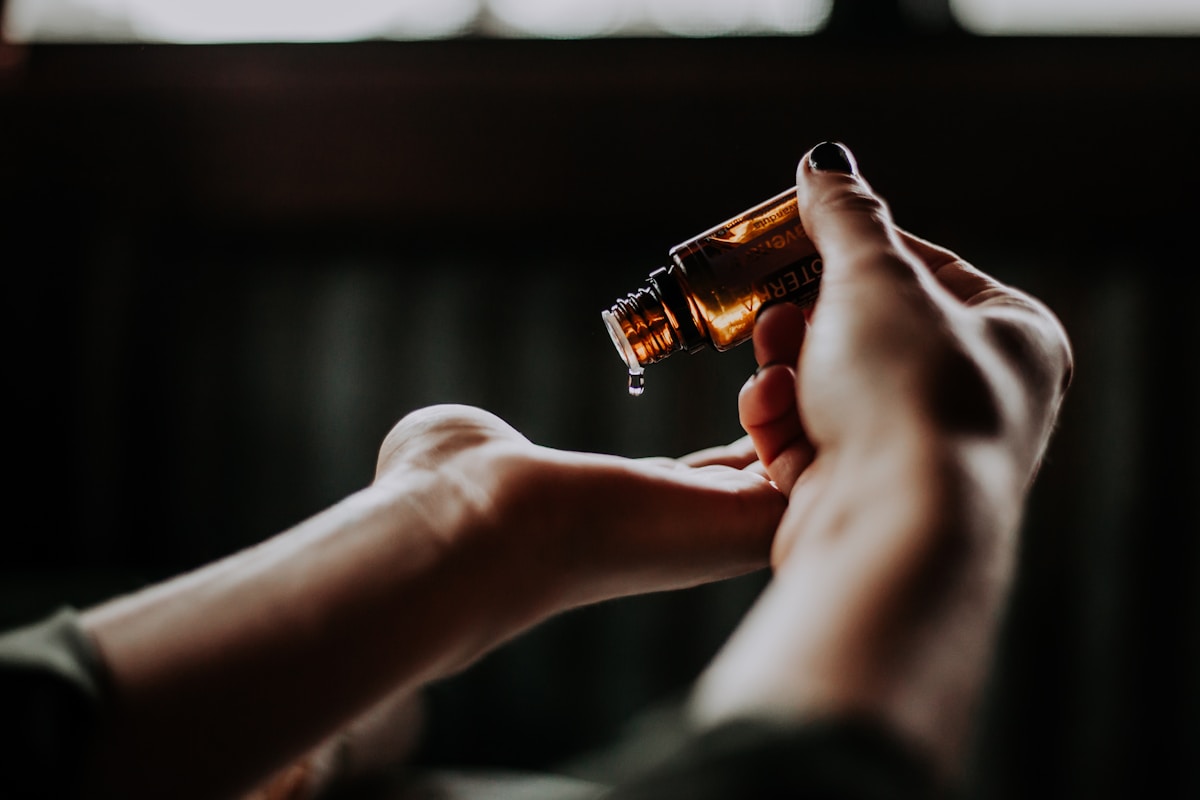
For menstrual pain specifically, topical CBD applied to the lower abdomen is frequently used alongside oral CBD. Topicals work locally and quickly, while oral CBD provides longer systemic support. Using both formats together covers more of the pain profile. For guidance on choosing between formats, see: CBD Oil vs Gummies vs Capsules: Which Works Best?.
CBD for PMS: Mood, Bloating, and Tension
PMS affects mood, sleep, physical tension, and digestive comfort in the week before menstruation. These symptoms have different underlying mechanisms, and CBD’s broader action profile means it may address more than one simultaneously.
Mood and anxiety: PMS-related anxiety and irritability are linked partly to the drop in progesterone and the resulting reduction in GABA activity. CBD’s interaction with serotonin receptors (5-HT1A) and its indirect modulation of GABA may ease this component. Many women report noticeable mood stabilization from consistent CBD use in the premenstrual phase. For more on CBD and anxiety, see: CBD for Anxiety: What the Research Shows.
Sleep disruption: Sleep quality often worsens in the premenstrual phase due to temperature changes, discomfort, and elevated cortisol. CBD’s effect on sleep onset and sleep quality, discussed in detail at Does CBD Help with Sleep?, is relevant here. Taking CBD in the evening during the premenstrual phase addresses both sleep and the anxiety component of PMS simultaneously.
Physical tension and bloating: CBD’s anti-inflammatory and muscle-relaxing properties may reduce the physical tension associated with PMS. The evidence here is weaker than for mood and sleep, but the mechanism is plausible and many women report improvement.

CBD and Perimenopause / Menopause
Perimenopause and menopause bring a distinct set of challenges: hot flashes, sleep disruption, mood changes, vaginal dryness, joint pain, and cognitive changes. The ECS connection is strong here because the decline in estrogen during menopause directly reduces endocannabinoid tone, which is thought to contribute to several of these symptoms.
The research on CBD for menopause symptoms is early but promising. A 2021 survey published in Menopause: The Journal of the Menopause Society found that 79% of women using CBD for menopause symptoms reported improvement in at least one symptom. Sleep disruption, anxiety, and joint pain were the areas with the most reported benefit.
Hot flashes are the area with the least evidence specifically. The mechanism by which CBD might affect thermoregulation is less clear than for pain, anxiety, or sleep. Some women report subjective improvement, but this is harder to attribute definitively to CBD.
Practical Guidance for Women Using CBD
Cycle-synced dosing: Some women find it most effective to start CBD a few days before symptoms typically begin rather than waiting until symptoms arrive. Consistent use through the premenstrual and menstrual phase, then reducing or stopping afterward, allows you to assess benefit more clearly than using it only when symptoms are at their worst.
Starting dose: 15mg to 25mg daily is a reasonable starting point for most women using CBD for hormonal symptoms. For acute period pain, higher doses in the 30mg to 50mg range are more commonly reported as effective. Adjust based on response. For a full dosing reference, see: CBD Dosage Guide: How Much Should You Actually Take?.
Oral vs. topical: For systemic symptoms like mood, sleep, and anxiety, oral CBD (gummies, oil, or capsules) is the appropriate format. For localized period cramps, adding a topical CBD cream or balm applied to the lower abdomen addresses the pain locally without additional systemic dosing.
Drug interactions: Women on hormonal contraceptives or hormone replacement therapy should be aware that CBD inhibits CYP450 liver enzymes that process many medications. Speak with your doctor if you are on hormonal treatments before adding CBD regularly. For more on interactions and safety, see: CBD Side Effects: What to Know Before You Start.
Dedicated Guides by Condition
This article covers the broad picture of CBD and women’s hormonal health. For deeper research on each specific condition, see the dedicated guides below:
- CBD for Period Cramps — mechanisms, dosing protocol, and best formats for menstrual pain
- CBD for PMDD — how PMDD differs from PMS and why CBD’s serotonin mechanism is specifically relevant
- CBD for Hormonal Balance — cortisol, the HPA axis, and how consistent CBD use supports hormonal regulation
- CBD for Perimenopause — the transition phase, what symptoms respond best, and how to dose through hormonal fluctuation
- Best CBD for Menopause in 2026 — top product picks and dosing guidance for postmenopausal women
- CBD for Endometriosis and Pelvic Pain — COX-2 inhibition, CB2 receptor activity, and the endocannabinoid-endometriosis connection
Frequently Asked Questions
Can CBD help with period pain?
CBD has anti-inflammatory and pain-modulating properties that are relevant to period pain, which is driven largely by prostaglandin-induced inflammation and uterine contractions. Direct clinical trials specifically on CBD for dysmenorrhea are limited, but the mechanism is sound and many women report significant improvement. Both oral CBD and topical CBD applied to the lower abdomen are commonly used for this purpose.
Does CBD help with PMS mood swings?
CBD interacts with serotonin receptors and modulates the GABA system, both of which are relevant to the mood component of PMS. Many women report improved mood stability and reduced premenstrual anxiety with consistent CBD use. The evidence is primarily from observational data rather than controlled trials, but the mechanism is consistent with what is known about CBD’s action on anxiety and mood.
Is CBD safe to use during menstruation?
Yes. There is no evidence that CBD is unsafe during menstruation at doses used in consumer products. The main safety considerations for women are potential interactions with hormonal medications and the general precautions that apply to all CBD users. CBD is not recommended during pregnancy or while breastfeeding due to limited safety data in those contexts.
Can CBD help with menopause symptoms?
The strongest evidence for CBD in the context of menopause is for sleep disruption, anxiety, and joint pain, all of which are common during perimenopause and menopause. The decline in estrogen during menopause reduces endocannabinoid tone, which creates a biological rationale for CBD supplementation during this transition. Survey data suggests most women who use CBD for menopause symptoms report improvement in at least one area.
What is the best CBD product for menstrual cramps?
A combination of oral CBD (taken 30 to 60 minutes before expected onset of pain or from the first day of bleeding) and a topical CBD cream or balm applied directly to the lower abdomen is the most commonly reported effective approach. Oral CBD provides systemic anti-inflammatory support while topical CBD addresses the localized pain directly and quickly.