By Marcus Reid | Last updated: September 23, 2026
CBD and melatonin are two of the most commonly used natural sleep aids, and a lot of people end up trying both without a clear sense of when each is most appropriate. They are not interchangeable. They work through different biological mechanisms, help with different types of sleep problems, and have different evidence bases. Understanding the distinction helps you choose the right tool rather than guessing.
How Melatonin Works
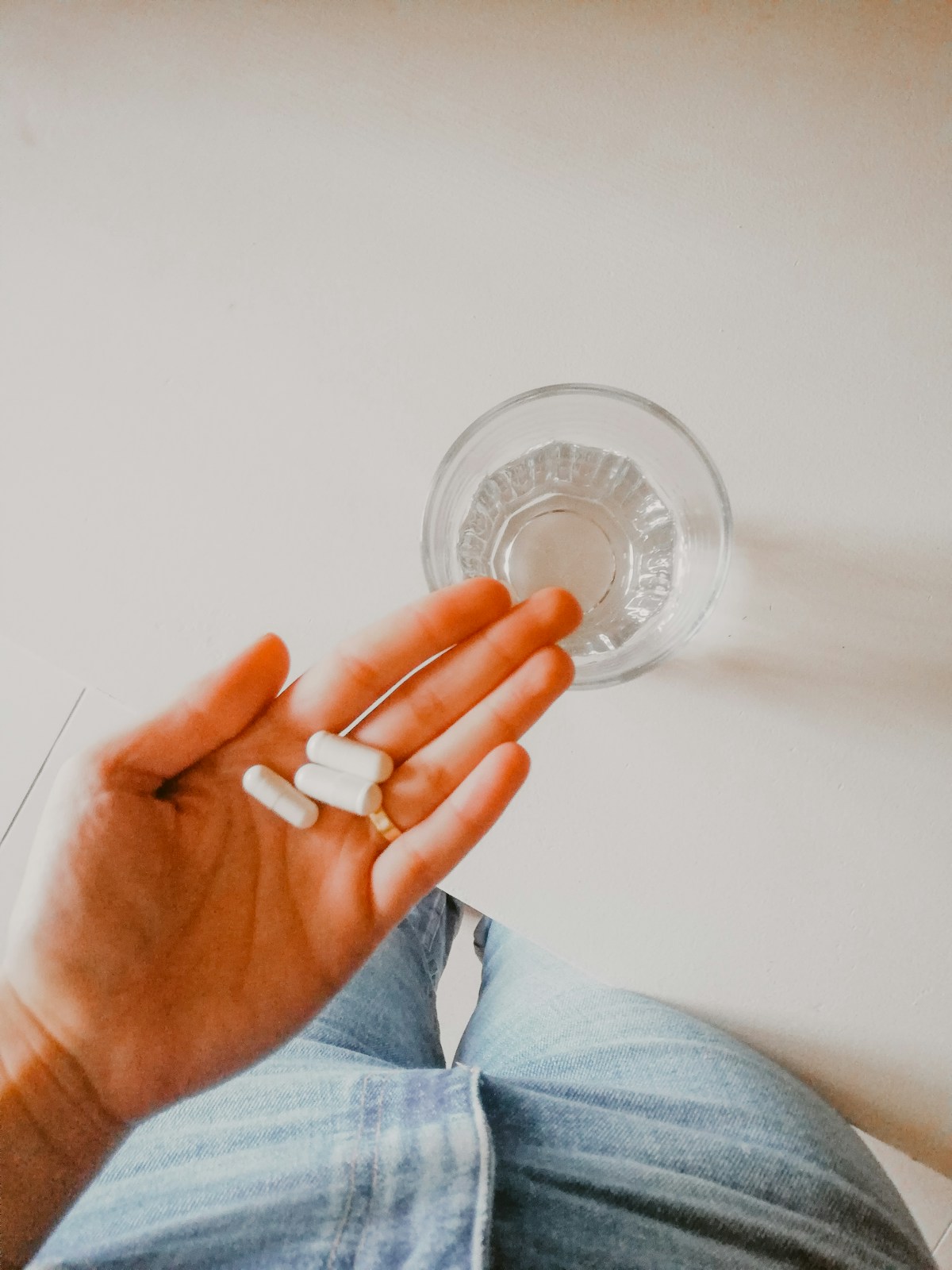
Melatonin is a hormone produced naturally by the pineal gland in response to darkness. Its primary function is signaling to the body that night has arrived and that it is time to prepare for sleep. It does not directly cause sleep in the way a sedative does. Instead, it shifts the timing of the sleep-wake cycle.
Melatonin levels rise naturally about two hours before your typical sleep time and remain elevated throughout the night before dropping in the early morning. Artificial light at night, particularly blue light from screens, suppresses melatonin production, which is why evening screen use is so consistently linked to delayed sleep onset.
Supplemental melatonin is most effective when the problem is a disrupted circadian rhythm. It is the go-to for jet lag, shift work sleep disorder, delayed sleep phase syndrome, and helping people who naturally fall asleep too late to shift their schedule earlier. It works best when taken 30 to 60 minutes before your target bedtime, not your habitual bedtime.
The effective dose for melatonin is often misunderstood. Most commercial supplements contain 5mg or 10mg, but research shows that 0.5mg to 1mg is typically sufficient to shift the circadian rhythm. Higher doses do not proportionally improve sleep and may cause morning grogginess. The US market has notably higher doses than what is used in European markets, where melatonin is regulated more tightly.
How CBD Works for Sleep
CBD does not regulate the circadian rhythm. Its relationship with sleep is more indirect. CBD works by reducing the barriers to sleep rather than directly inducing it.
The primary mechanisms appear to be anxiety reduction through serotonin receptor activation, pain reduction through the endocannabinoid system, and at higher doses, a general calming effect that reduces physiological arousal. For people whose sleep problems are driven by a racing mind, physical discomfort, or hypervigilance, CBD addresses those underlying drivers.
CBD also appears to modulate REM sleep, the dreaming stage of sleep. In people with PTSD, reducing REM sleep can mean fewer nightmares, which in turn allows more consolidated, restorative sleep. This is quite different from what melatonin does.
For a full breakdown of how CBD affects sleep biology, see: Does CBD Help with Sleep? A Research-Based Answer.

CBD vs Melatonin: A Direct Comparison
What they do differently: Melatonin signals the body clock. CBD reduces the mental and physical barriers to sleep. These are fundamentally different mechanisms, which is why they work for different problems.
Evidence strength: Melatonin has more robust clinical evidence for its specific use case (circadian rhythm disruption) than CBD has for its. CBD’s sleep evidence is promising but more heterogeneous. Both are considered safe at standard doses.
Side effects: Melatonin at high doses (5mg to 10mg) can cause morning grogginess, vivid dreams, and, with long-term use, may suppress natural melatonin production. CBD at typical sleep doses (50mg to 100mg) rarely causes next-day grogginess and does not suppress natural hormone production.
Timing: Melatonin should be taken 30 to 60 minutes before your target bedtime. CBD (in gummy or capsule form) is best taken 45 to 90 minutes before bed, with oil allowing a slightly shorter window of 30 to 45 minutes.
Drug interactions: Neither has major interaction risks at standard doses, but CBD can affect the metabolism of some prescription medications through liver enzyme inhibition. Melatonin has fewer interaction concerns.
Which One Should You Choose?
Choose melatonin if: Your sleep problem is primarily about timing (you cannot fall asleep until too late, or you wake up too early), you have recently traveled across time zones, you work night shifts and need to shift your sleep schedule, or your sleep is generally fine but you occasionally need help getting to sleep earlier.
Choose CBD if: You can fall asleep at a normal time but wake up during the night, your sleep is disrupted by anxiety or pain, you have stress-related sleep problems that a hormone signal alone will not address, or you have PTSD-related nightmares.
Consider both if: Your sleep problems have multiple components. Using a low dose of melatonin (0.5mg to 1mg) to signal bedtime alongside CBD (50mg) to reduce the underlying anxiety or pain driving wakefulness can be complementary rather than redundant. There is no known interaction between the two.

If that combined approach appeals to you, some products now build both into a single serving rather than asking you to stack two purchases. The cbdMD Lights Out gummy is one, combining 5 mg of melatonin with 50 mg of CBD and 20 mg of CBN, and we cover how it is dosed in our cbdMD sleep gummies review. Note that 5 mg of melatonin is a higher dose than the 0.5 mg to 1 mg discussed above, which is exactly why some people find combined products leave them groggy in the morning.
Frequently Asked Questions
Is CBD or melatonin better for sleep?
Neither is universally better. Melatonin is better for circadian rhythm disruptions like jet lag or shift work. CBD is better for anxiety-driven or pain-driven sleep problems. They serve different mechanisms, and for some people using both is the most effective approach.
Can you take CBD and melatonin together?
Yes. There is no known interaction between CBD and melatonin. Many sleep support supplements already combine both. Using a low-dose melatonin (0.5mg to 1mg) with CBD (50mg) before bed can address both the timing signal and the underlying anxiety or discomfort simultaneously.
Does melatonin lose effectiveness over time?
Melatonin does not build up in the system and does not appear to cause tolerance in the same way stimulants do. However, with long-term high-dose use, some research suggests it may suppress the pineal gland’s natural melatonin output. Using the lowest effective dose (often 0.5mg to 1mg) is preferable to habitual high-dose use.
Why is CBD better than prescription sleep aids?
This is a comparison that depends on the condition. Prescription sleep aids such as zolpidem produce faster and more reliable sleep onset but carry risks of dependence, next-day impairment, and rebound insomnia. CBD does not cause dependence, rarely causes next-day grogginess, and addresses underlying drivers of poor sleep rather than just suppressing wakefulness. For mild to moderate sleep problems, CBD may offer a lower-risk alternative. For severe insomnia, prescription options remain more reliably effective.
What is the best time to take CBD for sleep?
For gummies and capsules, 45 to 90 minutes before your intended sleep time works best. For sublingual oil, 30 to 45 minutes before bed. Taking CBD earlier in the evening gives it time to absorb and reach peak concentration when you are trying to sleep.