By Marcus Reid | Last updated: June 15, 2026
CBD is one of the most searched health topics online, yet a lot of the information floating around is either oversimplified or outright wrong. This article explains exactly what CBD is, where it comes from, how it differs from THC, and what the science says about its effects.
What Is CBD?
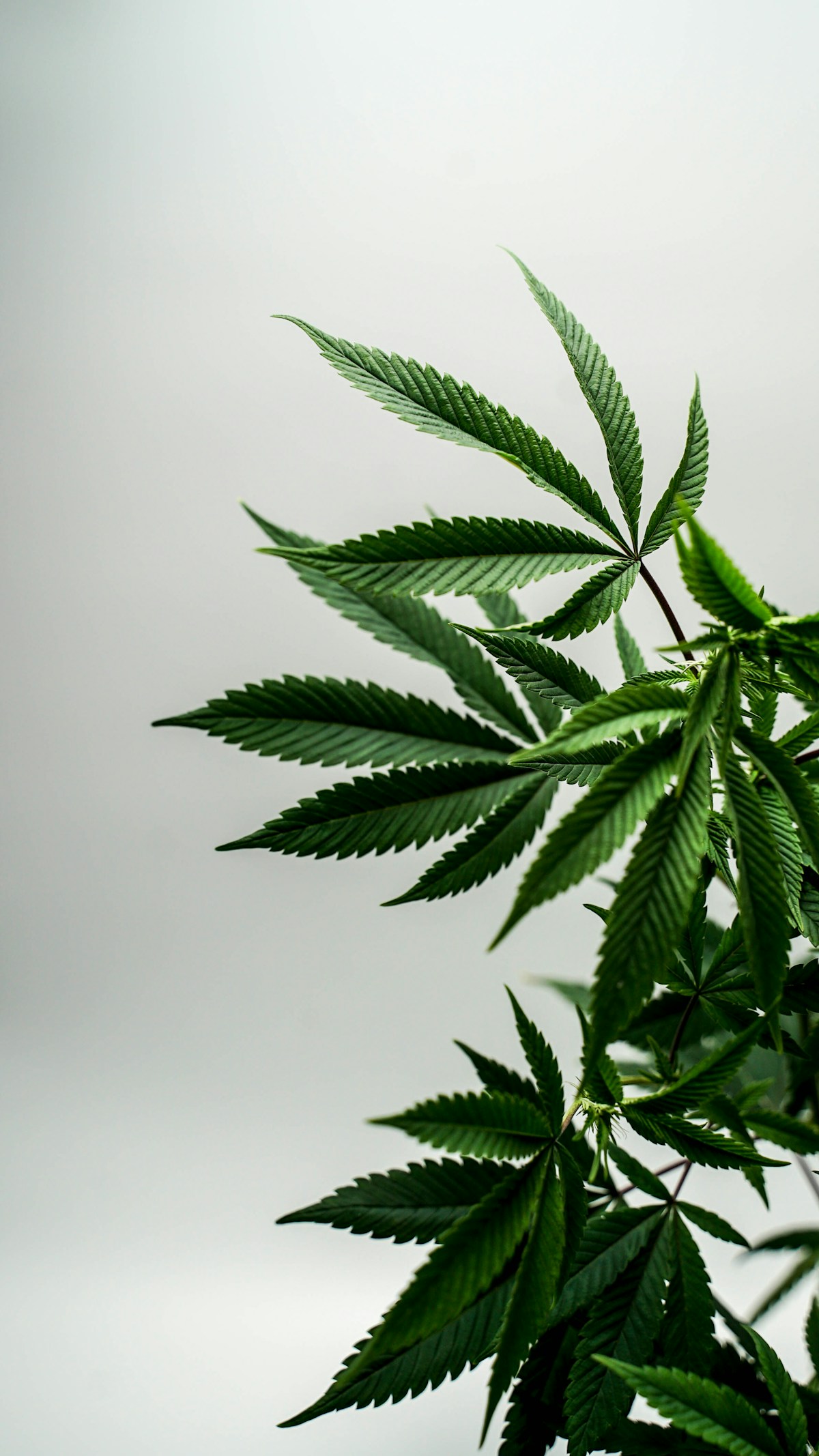
CBD is short for cannabidiol, a naturally occurring chemical compound found in the cannabis plant. It belongs to a group of compounds called cannabinoids, of which cannabis produces over 100. The two most well-known are CBD and THC (tetrahydrocannabinol).
CBD does not produce a high. That effect belongs to THC. Unlike THC, CBD does not bind directly to the brain receptors responsible for intoxication, which is why it can be used without impairing your ability to think, drive, or work.
CBD is extracted primarily from hemp, a variety of cannabis bred to have very low THC content. In the United States, hemp is legally defined as cannabis with less than 0.3% THC. In the United Kingdom and European Union, that threshold is typically 0.2%. Products made from hemp-derived CBD fall within these limits and are sold legally in most Western markets.
CBD vs THC: What’s the Difference?
Both CBD and THC come from the same plant, and both interact with the body’s endocannabinoid system. But they work differently and produce very different results.
THC binds directly to CB1 receptors in the brain, which triggers the psychoactive effects associated with cannabis. CBD does not bind to these receptors in the same way. Instead, it appears to modulate receptor activity without activating the same intoxicating response. This is the fundamental reason CBD is non-intoxicating.
Both compounds are being studied for therapeutic applications, but they have different legal statuses. THC remains a controlled substance in many countries. CBD derived from hemp is widely legal, provided it stays within THC content limits. The practical difference for consumers is simple: THC gets you high, CBD does not.
Where Does CBD Come From?
CBD is found throughout the cannabis plant, but the highest concentrations are in the flowers and leaves. Hemp plants bred for CBD extraction are typically cultivated outdoors in regions with favorable climates, with significant production in the United States, Europe, and China.
After harvest, the plant material undergoes extraction to isolate CBD and other beneficial compounds. The most common method is CO2 extraction, which uses pressurized carbon dioxide to pull cannabinoids from the plant. This method is considered the cleanest because it leaves no solvent residue and preserves the cannabinoid and terpene profile. Other methods include ethanol extraction and hydrocarbon extraction, both of which can be effective when done correctly but require additional refinement steps to remove residual solvents.
What Is CBD Used For?
The most evidence-backed use of CBD is in treating rare forms of epilepsy. The FDA-approved drug Epidiolex, a purified CBD formulation, has demonstrated effectiveness in reducing seizure frequency in Dravet syndrome and Lennox-Gastaut syndrome through controlled clinical trials.
Beyond epilepsy, CBD is commonly used for:
Anxiety: CBD interacts with serotonin receptors, specifically the 5-HT1A receptor, which plays a role in mood regulation. Several studies have reported anxiety-reducing effects, though most are small or short-term.
Sleep: Many users report improved sleep quality with CBD, particularly when sleep problems are related to anxiety or pain. Research on CBD specifically for sleep remains limited but is growing.
Pain and inflammation: CBD is studied for its potential to reduce inflammatory and neuropathic pain. It does not work like an ibuprofen, but it appears to influence how pain signals are processed through the endocannabinoid system.
It is worth noting that the FDA has not approved CBD for any use other than Epidiolex. Most commercial CBD products are sold as food supplements, not medicines. This means the evidence behind many of the claimed benefits is still in the early stages, and product quality can vary significantly between brands.
How Is CBD Different From Marijuana?
Marijuana and hemp are both varieties of the cannabis plant. The legal and practical distinction comes down to THC content. Marijuana is cannabis bred for high THC (often 10% to 30% or more), which is what produces the intoxicating high. Hemp is cannabis bred to keep THC below 0.3%, making it suitable for fiber, food, and CBD extraction without producing psychoactive effects.
When you buy CBD oil, gummies, or capsules from a legal retailer, the CBD almost certainly comes from hemp, not marijuana. This is what makes it federally legal in the US and legal in most European markets.
Is CBD Safe?
CBD has a reasonable safety profile, and the World Health Organization has stated that it does not appear to have abuse potential or cause harm when used as a pure substance. That said, it is not free of risks or interactions.
Common side effects include fatigue, dry mouth, and digestive upset, particularly at higher doses. More importantly, CBD can affect how your liver processes certain prescription medications by inhibiting a group of enzymes called cytochrome P450. This can cause some medications to remain active in your body longer than intended, or conversely, be broken down too quickly.
If you take prescription drugs, particularly blood thinners, antiepileptics, or antidepressants, speak with your doctor before using CBD.
Frequently Asked Questions
What does CBD stand for?
CBD stands for cannabidiol, a compound found naturally in the cannabis plant. It is one of over 100 cannabinoids identified in cannabis and is non-intoxicating.
Does CBD have any effect on the brain?
Yes, but not in the way THC does. CBD does not produce a high. It interacts with brain receptors associated with mood, anxiety, and pain without creating intoxication or cognitive impairment.
Is CBD addictive?
Current evidence does not suggest that CBD causes physical dependence or addiction. The WHO concluded that CBD does not appear to have addiction potential. Users do not report withdrawal symptoms when stopping use.
Can CBD be detected in a drug test?
Standard drug tests look for THC, not CBD. However, full-spectrum CBD products contain trace amounts of THC, and with daily use, this can build up and potentially show on a sensitive test. If drug testing is a concern, choose broad-spectrum or isolate CBD.
What is the best way to take CBD?
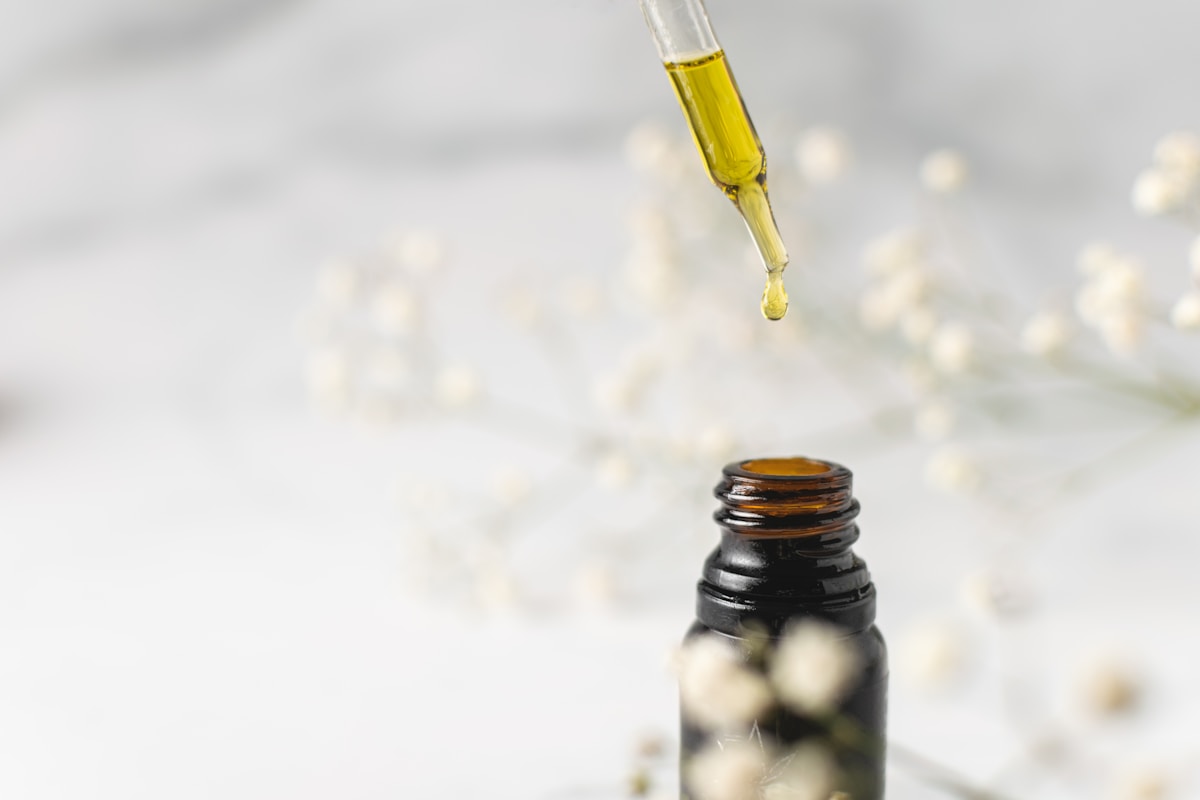
There is no single best method. Sublingual oils absorb fastest. Gummies are convenient and pre-dosed. Capsules are consistent for daily use. Topicals work well for localized discomfort. The best method depends on what you are using CBD for and how quickly you want it to take effect.