Neuropathy — nerve damage that causes pain, tingling, burning, or numbness — affects millions of people and is notoriously difficult to treat. CBD has attracted significant interest as a potential option, particularly for people who have not found adequate relief from standard medications. Here is what the research shows.
What Is Neuropathy?
Neuropathy refers to damage or dysfunction in the peripheral nervous system — the nerves outside the brain and spinal cord. Common causes include:
- Diabetic neuropathy — the most common form, caused by high blood sugar damaging nerve fibers
- Chemotherapy-induced neuropathy — nerve damage as a side effect of cancer treatment
- Post-herpetic neuralgia — nerve pain following shingles
- Idiopathic neuropathy — no identifiable cause
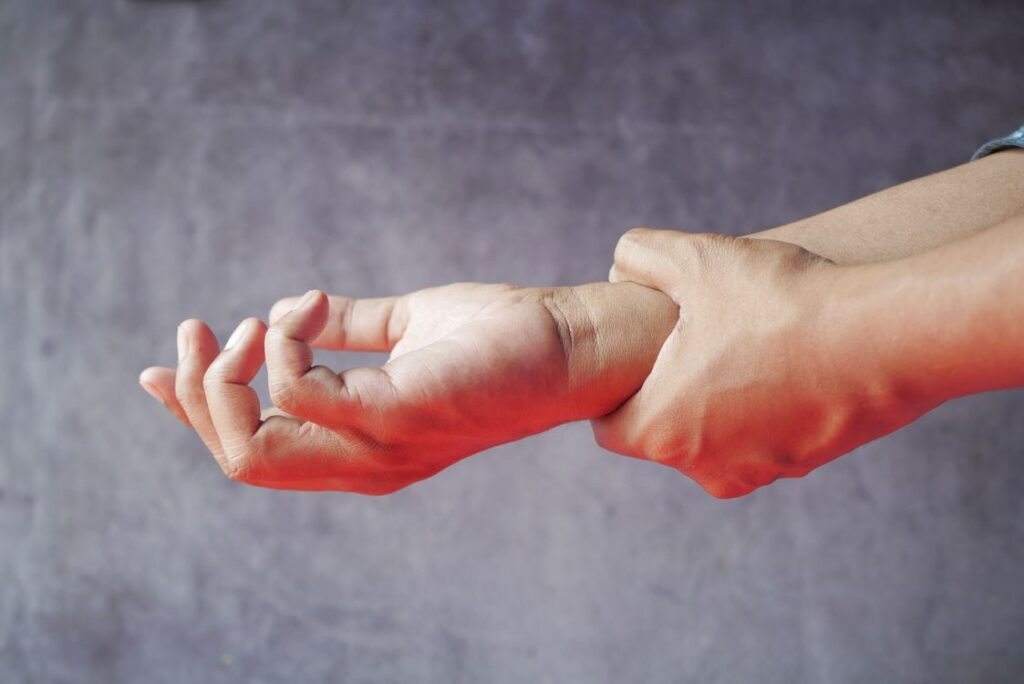
Symptoms include burning pain, electric-shock sensations, numbness, and muscle weakness — often worse at night and in the feet and hands.
How CBD Interacts with Nerve Pain Pathways
CBD’s potential usefulness for neuropathy stems from several mechanisms:
- TRPV1 receptor activation — CBD activates these pain-sensing receptors, which can initially signal pain but then desensitize them over time — similar to how capsaicin (hot pepper) works in pain creams
- Anti-inflammatory action — Neuroinflammation plays a role in many forms of neuropathy; CBD’s anti-inflammatory properties may reduce this underlying process
- Endocannabinoid modulation — The endocannabinoid system has receptors throughout peripheral nerves; CBD indirectly boosts endocannabinoid tone by inhibiting the enzyme that breaks down anandamide
What the Research Shows
A study published in the European Journal of Pain (PMID: 27413138) found that topical CBD reduced pain and inflammation in an animal model without systemic side effects, suggesting particular promise for peripheral neuropathy where local application is possible.
A randomized controlled trial published in the Journal of Pain Research evaluated a synthetic cannabinoid for diabetic peripheral neuropathy and found significant reductions in pain scores. While this involved a THC-containing product rather than pure CBD, it supports the broader role of the endocannabinoid system in neuropathic pain modulation.
A 2020 review in the Journal of Clinical Medicine (PMID: 32516137) that analyzed multiple CBD pain studies concluded there is moderate evidence supporting cannabinoids for neuropathic pain — with CBD specifically associated with a favorable side effect profile compared to traditional neuropathic pain drugs like gabapentin or pregabalin.
A pilot study published in the Journal of Pain and Symptom Management found that topical CBD significantly reduced intense and sharp pain, cold and itchy sensations in patients with peripheral neuropathy, with no serious adverse effects reported.
Best Formats for Neuropathy
| Format | Best Use Case | Notes |
|---|---|---|
| Topical cream / salve | Localized burning or tingling (feet, hands) | Direct application, minimal systemic absorption |
| CBD oil (sublingual) | Widespread neuropathy, systemic relief | Faster onset than gummies |
| CBD gummies | Sustained overnight relief | Slower onset but longer duration |
| CBD patch | Consistent slow-release delivery | Good for 8–12 hours of continuous release |
For neuropathy in the feet — which is extremely common in diabetic neuropathy — topical application combined with a daily oral product is a strategy many users report. See our guide to CBD patches for more on slow-release delivery.
Dosage Notes
Neuropathic pain often requires higher CBD doses than other conditions. Most clinical research on neuropathy has used doses in the 25–150 mg/day range. The standard advice applies: start low (15–25 mg), increase gradually every week, and give each dose level at least 7–10 days before evaluating. For full dosage guidance, see our CBD dosage guide.
Frequently Asked Questions
Can CBD help with diabetic neuropathy?
Research suggests CBD may reduce neuropathic pain associated with diabetes through anti-inflammatory and TRPV1 receptor mechanisms. Topical CBD has shown the most direct evidence for localized nerve pain in the feet and hands.
How long does CBD take to work for nerve pain?
Topical CBD may provide local relief within 30–60 minutes. For systemic nerve pain, consistent daily oral use over 2–4 weeks is typically needed before noticeable improvement.
Is CBD better than gabapentin for neuropathy?
They cannot be directly compared — the evidence for gabapentin is much larger. But CBD may be a useful complement or alternative for people who cannot tolerate gabapentin’s sedation, dizziness, or dependence risk.
CBD is not an approved treatment for any form of neuropathy. If you have diabetic neuropathy or chemotherapy-induced nerve damage, work with your healthcare provider before making changes to your pain management plan.