By Marcus Reid | Last updated: August 22, 2026
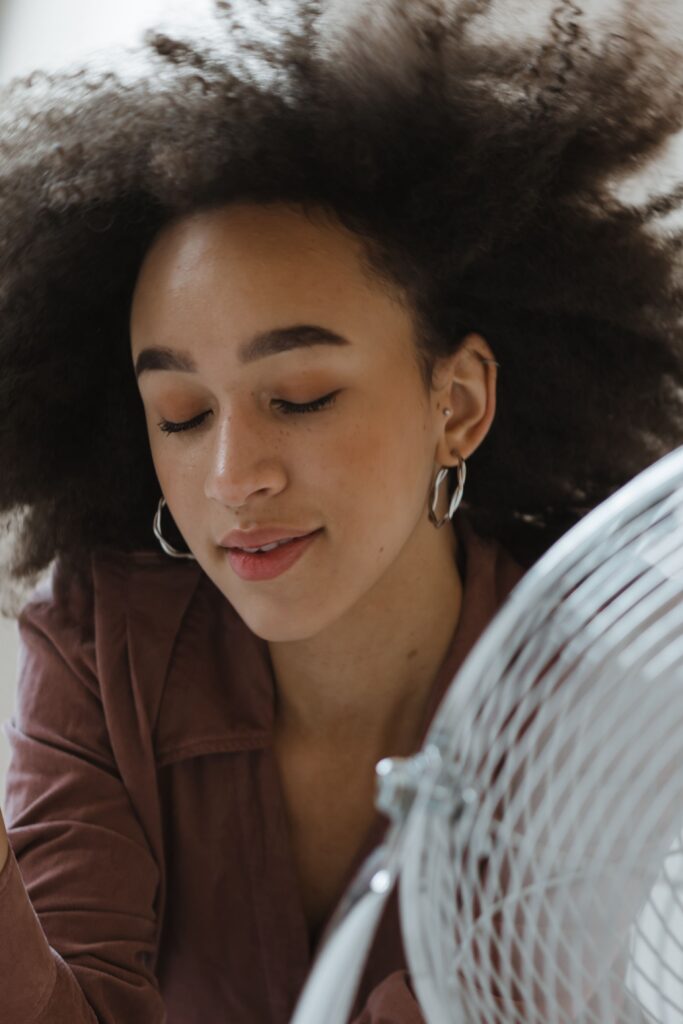
Hot flashes are one of the most disruptive symptoms of perimenopause and menopause, and one of the most searched. It makes sense that CBD comes up as a possible option: it is widely marketed for hormonal symptoms, and women already using it for sleep or anxiety naturally wonder if it also touches the hot flashes themselves. The honest answer is more limited than most product pages suggest, so this guide separates what is plausible from what is actually proven.
What Causes Hot Flashes
A hot flash is a sudden sensation of heat, often with flushing and sweating, caused by a temporary malfunction in the body’s temperature control system. As estrogen declines during perimenopause, the hypothalamus, the brain region that regulates body temperature, becomes more sensitive to small changes in core temperature. It misreads a normal temperature as overheating and triggers the body’s cooling response: blood vessels near the skin dilate, sweat glands activate, and heart rate rises briefly. Night sweats are the same event happening during sleep.
Around 75% of women in the US experience hot flashes during the menopause transition, and for roughly a quarter of them, symptoms are frequent and disruptive enough to affect daily life and sleep quality. For the fuller hormonal picture, see: CBD for Perimenopause: What Actually Helps.
Does CBD Help With Hot Flashes Directly?
The honest answer is that there is no published clinical trial testing CBD specifically for hot flash frequency or severity. The theoretical case is not unreasonable: the hypothalamus has cannabinoid receptors, and the endocannabinoid system is known to play a role in thermoregulation in animal studies. But a plausible mechanism is not the same as clinical evidence, and no human trial has confirmed that CBD reduces vasomotor symptoms. Anecdotal reports from users are mixed, with some reporting mild improvement and many reporting no change in the hot flashes themselves.
This is a case where it matters to be precise about what is and is not known. CBD brands frequently market products for “menopause support” without distinguishing between symptoms that have real supporting research (sleep, anxiety) and hot flashes themselves, where the evidence gap is real.

What CBD May Realistically Help With
The more defensible case for CBD during this period is indirect. Night sweats fragment sleep, and fragmented sleep worsens next-day irritability, fatigue, and anxiety, which in turn can make hot flashes feel more intense and harder to cope with. CBD has more consistent evidence for supporting sleep continuity and reducing anxiety through 5-HT1A receptor activity. Addressing that layer, rather than the hot flash itself, is where CBD use during menopause is best justified. See: CBD for Anxiety and our CBD Dosage Guide.
Approaches With Stronger Evidence for Hot Flashes
For readers whose hot flashes are frequent or severe, it is worth knowing what has actual clinical trial support, so CBD can be weighed against real alternatives rather than considered in isolation:
- Hormone therapy (estrogen, with or without progestogen): the most effective treatment for moderate to severe hot flashes, typically reducing frequency by 75% or more in clinical trials.
- Non-hormonal prescriptions: low-dose paroxetine, venlafaxine, and gabapentin all have randomized trial evidence for reducing hot flash frequency, and are options for women who cannot or prefer not to use hormone therapy.
- Lifestyle factors: layered clothing, lowering room temperature, reducing alcohol and spicy food triggers, and regular exercise are modest but genuinely evidence-supported.
None of this rules out trying CBD alongside these approaches for the sleep and anxiety layer, but it should not replace a conversation with a doctor if hot flashes are significantly affecting your life.
If You Want to Try CBD for the Sleep and Anxiety Side
A reasonable starting point is 25mg of full-spectrum or broad-spectrum CBD oil taken 30 to 60 minutes before bed, which allows time for absorption before night sweats would typically interrupt sleep. Give it two full weeks at a consistent dose before judging whether it is helping. For product options built around the sleep and anxiety use case specifically, see: Best CBD for Women in 2026.
Frequently Asked Questions
Can CBD stop hot flashes?
No clinical trial has shown CBD reduces hot flash frequency or intensity directly. The mechanism is theoretically plausible because the hypothalamus has cannabinoid receptors, but this has not been tested in humans specifically for hot flashes. CBD is better supported for the sleep disruption and anxiety that accompany hot flashes than for the hot flashes themselves.
What actually works for hot flashes?
Hormone therapy has the strongest evidence, typically reducing hot flash frequency by 75% or more. Non-hormonal prescription options including low-dose paroxetine, venlafaxine, and gabapentin also have clinical trial support. Lifestyle adjustments like layered clothing and reducing alcohol or spicy food triggers provide modest additional benefit.
Should I take CBD during the day or at night for menopause symptoms?
For night sweats and sleep disruption, take CBD 30 to 60 minutes before bed. For daytime anxiety or irritability related to menopause, a smaller dose in the morning may help. Many women use both a nighttime and a daytime dose, adjusted separately based on which symptom is more disruptive on a given day.
Is it safe to combine CBD with hormone therapy?
There is no known dangerous interaction between CBD and standard hormone therapy, but CBD can affect how the liver metabolizes certain medications through the CYP450 enzyme pathway. Always tell your doctor you are using CBD, especially if you are on hormone therapy, an SSRI, or any other prescription medication, so they can check for interactions specific to your regimen.
This article is for educational purposes and is not medical advice. CBD is not an approved treatment for hot flashes or menopause symptoms. If hot flashes are frequent or significantly affecting your life, talk to a doctor or menopause specialist about hormone therapy and other proven options.