By Marcus Reid | Last updated: August 25, 2026
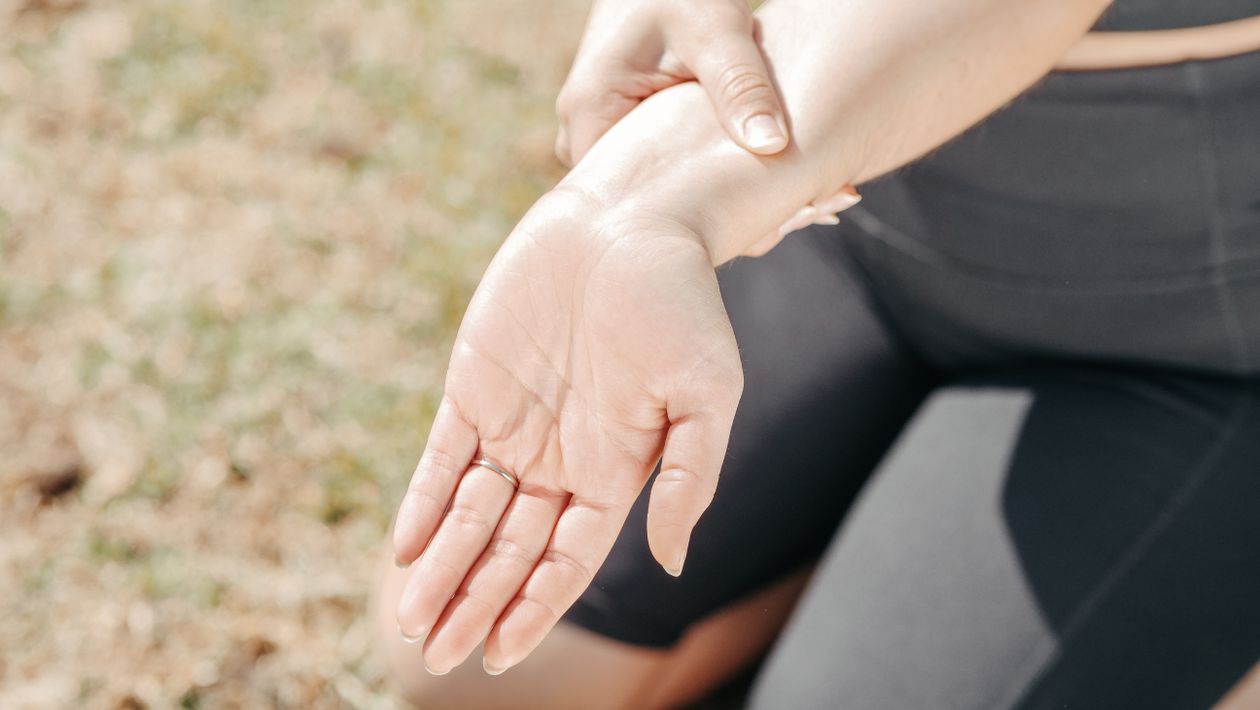
A lot of women notice new joint pain in their mid-to-late 40s and assume it is unrelated to menopause, often blaming age or an old injury. In many cases, the timing is not a coincidence. Estrogen has a real, measurable anti-inflammatory role in joint tissue, and its decline during perimenopause is one of the more overlooked drivers of new hand, knee, and hip discomfort during this stage of life.
Why Estrogen Loss Causes Joint Pain
Estrogen receptors are present throughout joint tissue, including cartilage and the synovial membrane that lubricates joints. Estrogen helps regulate inflammatory cytokines and supports cartilage maintenance. As levels drop during perimenopause, that regulation weakens, allowing low-grade inflammation to build in the joints, most commonly in the hands, knees, hips, and shoulders. This is sometimes called “menopausal arthralgia,” and research estimates that over 50% of women report new or worsening joint pain during the menopause transition.
This is separate from osteoarthritis caused by wear and tear, though the two can overlap and compound each other. It is also distinct from the muscle and joint aches associated with autoimmune conditions, which is why persistent swelling, redness, or heat in a joint warrants a doctor’s evaluation rather than being assumed to be hormonal. For a broader look at hormonal symptoms during this transition, see: CBD for Perimenopause: What Actually Helps.
How CBD May Help
CBD addresses joint inflammation through two mechanisms that are relevant here regardless of what triggered the inflammation in the first place. It activates CB2 receptors, which are concentrated in immune and joint tissue, reducing pro-inflammatory signaling. It also inhibits COX-2 enzymes, the same pathway targeted by NSAIDs like ibuprofen, reducing local prostaglandin production. Because the inflammatory pathway is similar whether the trigger is hormonal decline or general wear, the same research base for CBD and joint pain applies here. For the full mechanism and research citations, see: CBD and Inflammation: The Science Behind the Benefits.
Choosing a Format for Menopause-Related Joint Pain
For daily, low-grade joint aching, a consistent oral dose (gummy or oil) taken at the same time each day tends to work better than occasional use, since CBD’s anti-inflammatory effect builds over several weeks of regular use rather than acting like a painkiller. For flare days when a specific joint is worse than usual, a topical CBD product applied directly can supplement the oral dose. We cover product-level detail, including specific picks and dosing by format, in our dedicated guide: Best CBD for Joint Pain in 2026.

Supporting Joint Health Beyond CBD
CBD works better as part of a broader approach than as a standalone fix. Weight-bearing and resistance exercise help maintain joint-supporting muscle and has independent anti-inflammatory effects. Omega-3 fatty acids have modest but real evidence for reducing joint inflammation. Magnesium supports muscle relaxation around affected joints. None of these replace a doctor’s evaluation if pain is severe, asymmetric, or accompanied by visible swelling, which can indicate something beyond hormonal joint pain.
Frequently Asked Questions
Is joint pain a real symptom of menopause?
Yes. Estrogen has an anti-inflammatory role in joint tissue, and its decline during perimenopause and menopause is associated with new or worsening joint pain in more than half of women during this transition. It most commonly affects the hands, knees, hips, and shoulders and is sometimes referred to as menopausal arthralgia.
How much CBD should I take for menopause joint pain?
Start at 25mg per day and hold that dose for two full weeks before adjusting, since the anti-inflammatory effect builds over time rather than acting immediately. Most people find their effective range between 25 and 75mg daily. Adding a topical CBD product for flare days can supplement the oral dose. See our full CBD Dosage Guide.
Will hormone therapy fix menopause-related joint pain?
Some women report improvement in joint symptoms on hormone therapy, since it addresses the underlying estrogen decline directly, but the evidence specifically for joint pain as an outcome is less robust than for hot flashes or bone density. It is a reasonable option to discuss with a doctor, particularly if joint pain is one of several menopause symptoms being evaluated together.
How is menopausal joint pain different from arthritis?
Menopausal joint pain is driven by hormonal changes affecting inflammation and typically presents as generalized aching and stiffness, often worse in the morning. Osteoarthritis involves cartilage breakdown from mechanical wear and tends to be localized to specific weight-bearing joints. Rheumatoid and other autoimmune arthritis involve immune system attack on joint tissue and usually come with visible swelling, warmth, or symmetry between joints. Persistent swelling or heat in a joint should be evaluated by a doctor rather than assumed to be hormonal.
This article is for educational purposes and is not medical advice. If joint pain is severe, involves visible swelling, or does not improve with standard approaches, consult a doctor or rheumatologist to rule out other causes.