By Marcus Reid | Last updated: September 15, 2026
“CBD stopped working for me” is a common complaint in CBD forums and reviews, usually from someone who had a good early experience that faded over weeks or months. It is a legitimate thing to notice, and it deserves a real explanation rather than a dismissive one. The confusing part is that the explanation is not tolerance in the way most people mean it, because CBD does not behave like THC or opioids at the receptor level.
Why CBD Tolerance Works Differently Than THC Tolerance
THC tolerance happens because THC directly and strongly activates CB1 receptors, the main cannabinoid receptor in the brain. With repeated heavy use, the body responds by reducing the number and sensitivity of those receptors, a process called downregulation, which means the same amount of THC produces a weaker effect over time. This is a well-documented mechanism, covered in detail in a foundational review of cannabinoid receptor pharmacology published in the British Journal of Pharmacology, available on Wiley Online Library.
CBD does not work this way. It has very low direct binding affinity for CB1 receptors and does not appear to cause the same downregulation. Instead, CBD is thought to work more indirectly, by influencing how the body’s own natural endocannabinoids are broken down and by acting on a range of other receptor systems, including serotonin receptors. Because it is not strongly activating the receptor that develops tolerance in the first place, the classic tolerance mechanism largely does not apply. For a comparison of how the two compounds differ more broadly, see CBD vs THC: What’s the Difference?.
So Why Does CBD Feel Like It Stopped Working?
If true pharmacological tolerance is not the likely cause, a handful of more mundane explanations usually are.
- Inconsistent dosing: Many people start out measuring doses carefully and drift into eyeballing it over time. A dropper that is not level, or a gummy taken at a different time relative to food, can change how much CBD you are actually absorbing session to session.
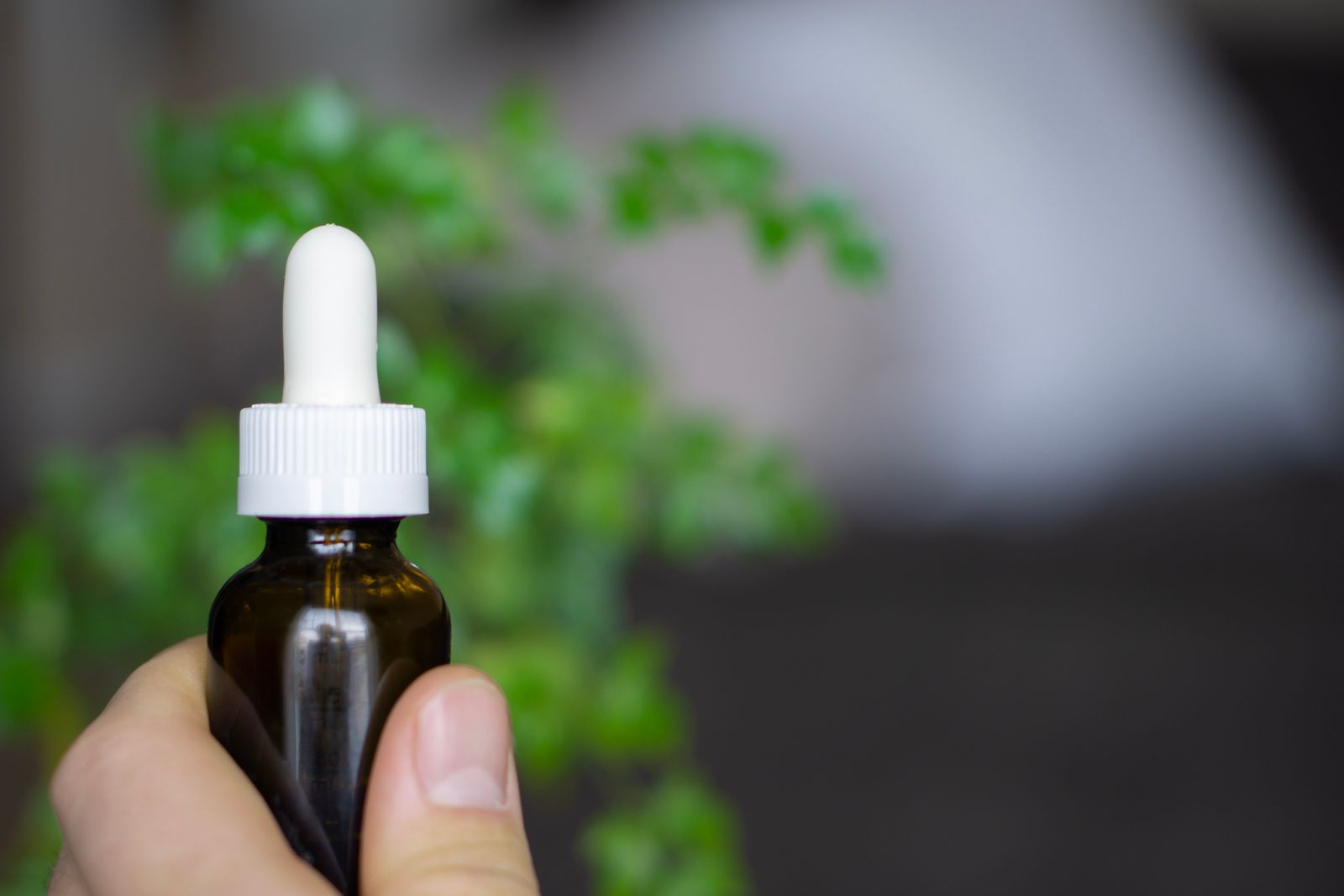
- Product quality drift: Not every batch of every product is identical, and CBD does degrade over time if a bottle sits open on a shelf for months. See our guide on whether CBD oil expires if your bottle has been open a while.
- Baseline expectation shift: This is the most common and least discussed reason. When you first notice CBD helping with sleep or anxiety, the contrast is obvious. Once that improved state becomes your new normal, it stops feeling like a noticeable effect, even though the underlying benefit may still be present. You have adjusted to feeling better, which paradoxically makes the improvement harder to notice.
- Changes in your body or stress load: Weight changes, new medications, increased stress, or shifts in sleep habits can all change how a fixed CBD dose feels, independent of anything about the CBD itself.
Does Cannabis Use in General Affect CBD’s Effect?
There is a nuance worth mentioning for people who use CBD alongside regular THC or broader cannabis use. Heavy, frequent cannabis use is associated with broader changes to endocannabinoid system function, sometimes described as reduced endocannabinoid tone. In that context, CBD’s effects may feel different, not because CBD itself built tolerance, but because the surrounding system it interacts with has shifted. This is a separate situation from someone using CBD alone at standard doses, where classic tolerance is not expected to develop.
What to Do If CBD Feels Less Effective
Start by ruling out the boring explanations before assuming you need more CBD. Check that you are using a fresh, properly stored product, confirm you are actually taking a consistent measured dose, and track it for a week or two in a notebook or your phone rather than relying on memory. Our CBD Dosage Guide covers how to calculate and hold a consistent dose.
If dosing and product quality check out and the effect genuinely still feels diminished, a short break, one to two weeks, can help reset your sense of baseline, even though it is not correcting receptor-level tolerance the way a THC break would. Some people find that stepping away briefly makes the effect noticeable again simply by breaking the habituation to feeling better. If none of this resolves it, that is worth mentioning to a doctor, since a persistent change in how a supplement affects you can sometimes reflect something else going on rather than the CBD itself.
Frequently Asked Questions
Can you build a tolerance to CBD?
Not in the classic pharmacological sense that applies to THC. CBD has low direct binding affinity for CB1 receptors and does not appear to cause the receptor downregulation responsible for THC tolerance. Most reports of CBD “stopping working” trace back to inconsistent dosing, product quality, or a shifted baseline expectation rather than true tolerance.
Why does CBD feel like it stopped working after a few months?
The most common reasons are inconsistent dosing, a product that has degraded from sitting open too long, or simply adjusting to feeling better so the improvement stops feeling noticeable. Changes in body weight, stress, or other medications can also shift how a fixed dose feels.
Does taking a break from CBD help if it stops feeling effective?
It can help reset your sense of the effect, even though it is not reversing receptor tolerance the way a THC break would. A one to two week break, combined with reviewing your dosing consistency and product freshness, is a reasonable first step.
Is CBD tolerance different from THC tolerance?
Yes, significantly. THC directly and strongly activates CB1 receptors, and repeated use causes those receptors to downregulate, requiring more THC for the same effect. CBD does not bind CB1 receptors strongly and works through different mechanisms, so it does not appear to cause the same tolerance pattern.