By Marcus Reid | Last updated: September 23, 2026
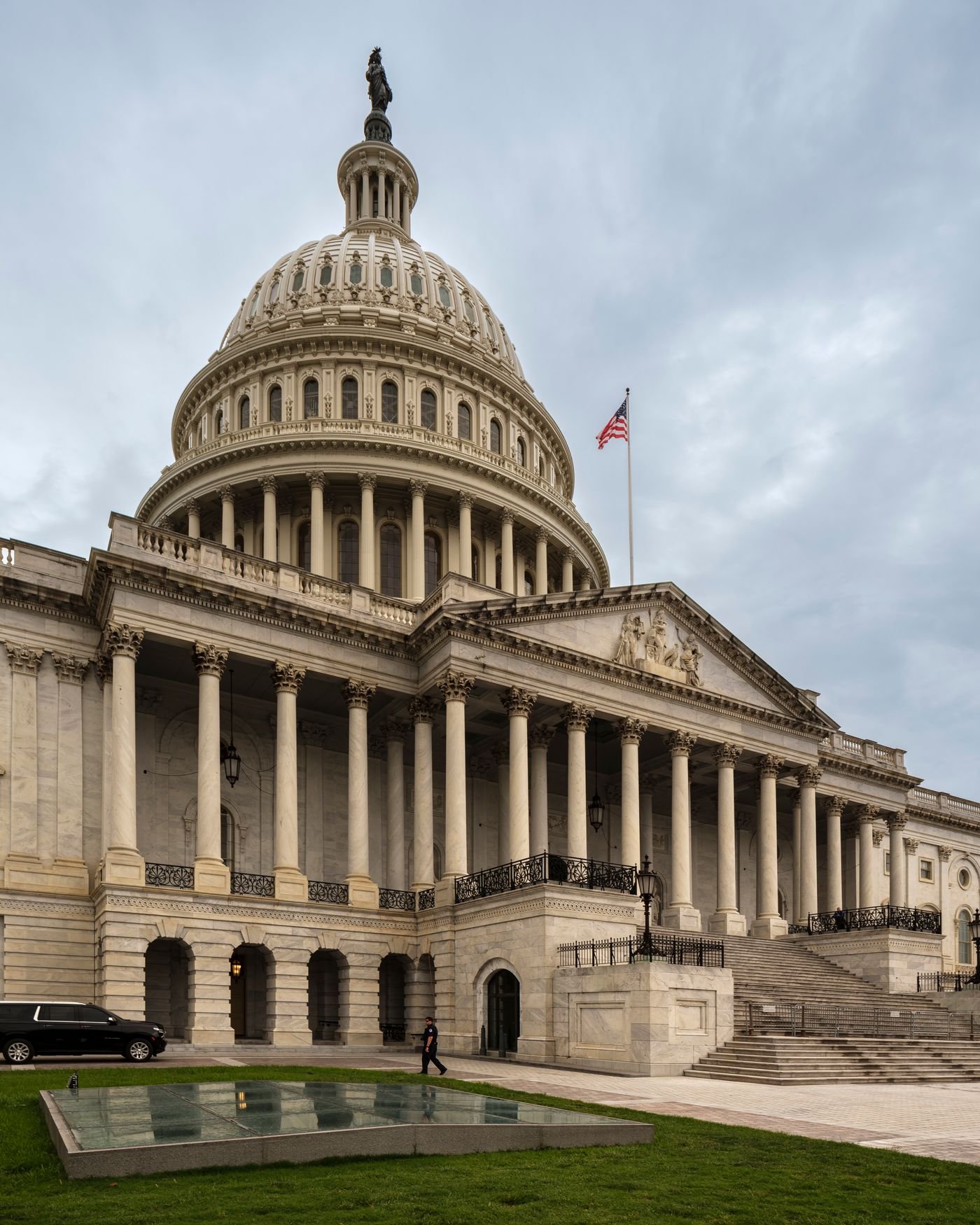
If you use CBD, you have probably seen the headlines: “hemp ban,” “CBD ban November 2026,” and now a new date, December 11. A lot of what is being shared online mixes up three different things: intoxicating hemp products like delta-8, full-spectrum CBD with trace THC, and plain CBD with no THC at all. The new law treats them very differently.
This guide explains what the law actually says, what the one-month delay changed, which products are likely to disappear from shelves, and what a regular CBD user should do before the deadline. It is written for US readers. If you live in Canada, the UK, Europe or Australia, there is a short section for you near the end.
What the 2026 Hemp Law Actually Changes
In November 2025, Congress passed a government funding bill (Public Law 119-37) that included a rewrite of the federal definition of hemp in Section 781. Since the 2018 Farm Bill, hemp has meant cannabis with no more than 0.3% delta-9 THC by dry weight. That rule created the market you know today, and it also created a loophole: products like delta-8 gummies and THCA flower could be sold as “hemp” while still getting people high.
The new definition closes that loophole in three ways, according to the Congressional Research Service analysis of the change:
- Total THC replaces delta-9 THC. The 0.3% plant limit now counts THCA (the raw form of THC that converts when heated) and other THC forms, not just delta-9.
- A per-container cap on finished products. A consumer product with more than 0.4 milligrams of total THC in the whole container is no longer hemp under federal law. The law also counts other cannabinoids with THC-like effects.
- No synthesized cannabinoids. Cannabinoids made in a lab from CBD, such as most delta-8 and THC-O, are excluded from the hemp definition entirely.
Anything that falls outside the hemp definition goes back to being treated as marijuana under the Controlled Substances Act. That is why people call it a ban, even though the law never uses the word.
Why the Date Moved From November 12 to December 11
The original effective date was November 12, 2026, exactly one year after the law was signed. In early September 2026, Congress passed a short-term funding bill (H.R. 6500) that pushes the start date back 30 days, to December 11, 2026, for products made with naturally occurring cannabinoids. The House vote was 370 to 48, and the bill was signed into law days later, as reported by NORML.
Two details matter here. First, the delay does not apply to synthesized cannabinoids: those still lose hemp status on November 12. Second, the White House has said this is the last extension it will support, according to a September 3 update from Hemp Law Group. Several bills that would replace the ban with a regulated framework are sitting in committee, but none has a vote scheduled. Plan around December 11 as the real date.
Will CBD Be Illegal After December 11? It Depends on the Type
This is the part most articles skip. “CBD” is not one product. Whether yours stays legal comes down to how much THC is in the container, not how much CBD.
| Product type | THC content | Status after December 11, 2026 |
|---|---|---|
| CBD isolate | None (pure CBD) | Expected to remain legal hemp |
| Broad-spectrum CBD | Non-detectable in most lab reports | Expected to remain legal if the whole container stays under 0.4 mg total THC |
| Full-spectrum CBD | Trace THC, legal up to 0.3% today | Most current formulas exceed 0.4 mg per container and would no longer qualify |
| Delta-8, THC-O and other synthesized cannabinoids | Made from CBD in a lab | Excluded from hemp starting November 12, 2026 |
| Hemp THC gummies, drinks, THCA flower | Intoxicating doses | Excluded from hemp starting December 11, 2026 |
If you are not sure which type you own, our guide to full-spectrum vs broad-spectrum CBD explains how to tell from the label.
Why 0.4 mg Per Container Rules Out Most Full-Spectrum CBD
The old limit was a percentage. The new one is a fixed amount for the whole package, and it is very small. A little math shows why full-spectrum products struggle to fit.
Take a common full-spectrum gummy with 1 mg of THC per piece. A jar of 30 holds 30 mg of total THC, which is 75 times the new cap. A full-spectrum oil can be legal at 0.3% THC today and still carry dozens of milligrams of THC in a single 30 ml bottle. Even a product with a fraction of a milligram per serving goes over once you multiply by the number of servings in the container.
This is also why the new rule is hard on some broad-spectrum products. Many lab reports say THC is “ND” (non-detectable), but that only means it was below the lab’s detection limit. In a large bottle, a small amount under that limit can still add up. Expect good brands to start reporting total THC in milligrams per container on their certificates of analysis. Our guide on how to read a CBD COA shows where to find that number.
What This Means for the CBD You Already Own
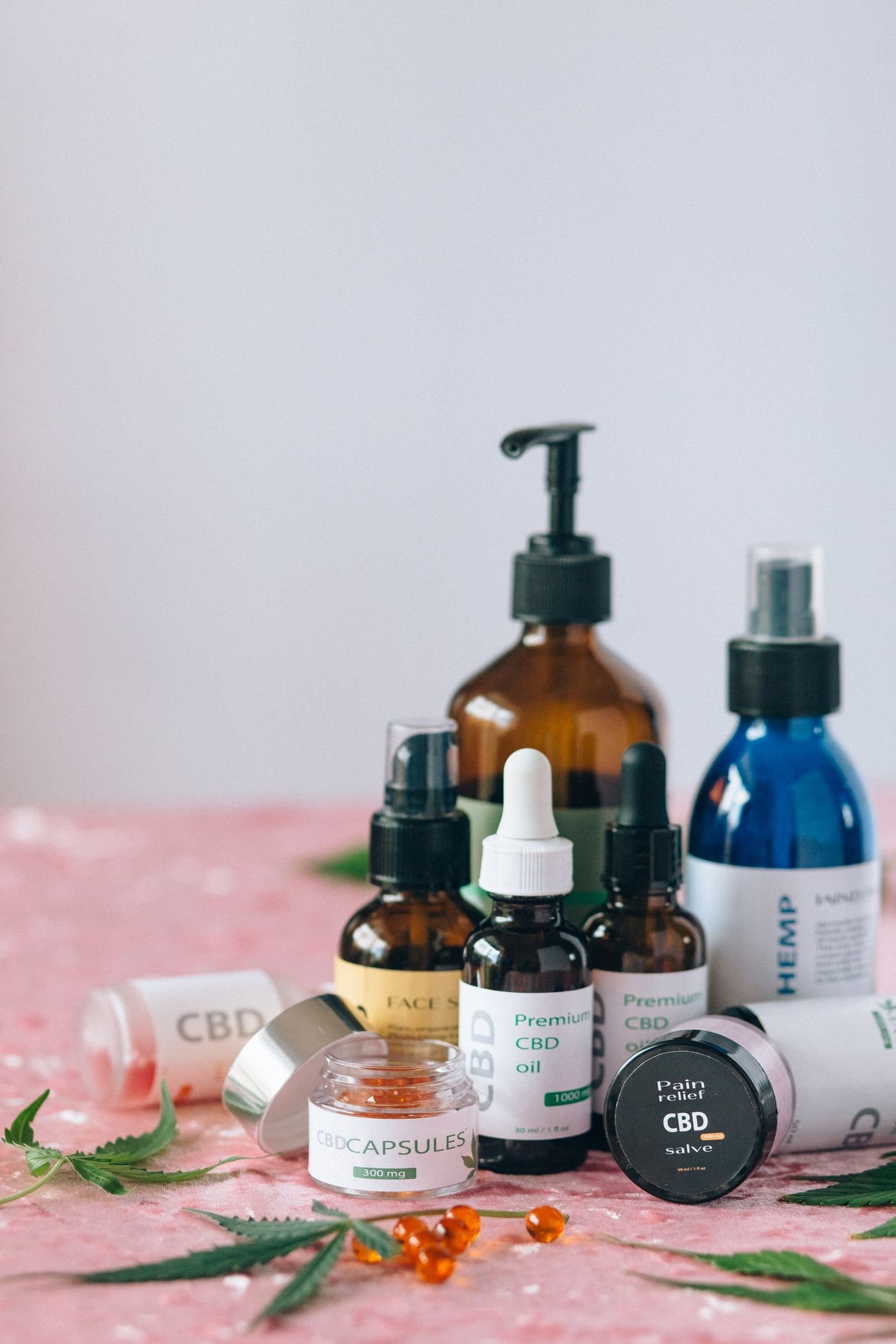
The change is not retroactive. Every product that is legal hemp today stays legal to sell and buy until December 11, 2026. If you use a full-spectrum product and it works for you, buying it now is legal.
What happens after December 11 is less clear. A full-spectrum bottle you bought in October will not change, but its federal classification will. Enforcement in the hemp market has historically focused on manufacturers and stores, not on people using CBD at home, and state law will matter a lot. We are not lawyers, and this is not legal advice. If that uncertainty bothers you, the simplest path is to finish full-spectrum products before the deadline and switch to THC-free CBD afterward.
If you are thinking about buying a few months’ supply, check the expiration date first. Most CBD oils last 12 to 24 months unopened, and our guide on whether CBD oil expires covers how to store it so it keeps its potency.
Which CBD Should You Buy Now?
It depends on whether you want a product that should still be around next year, or the one that works best for you right now.
If you want CBD that fits the new rules: Forest Mountain Farms
Forest Mountain Farms CBD gummies are broad spectrum, made from USDA-certified organic Colorado hemp, and the brand publishes batch-level COAs reporting THC as non-detectable. That is the kind of product the new definition is designed to leave alone. It is also our pick for people who are drug tested. As with any brand, confirm the COA for the batch you receive, and look for a total-THC-per-container figure once brands start publishing it.
→ Check Forest Mountain Farms CBD
If you prefer full spectrum: Triple Green Farms and CBDPure
Some people find full-spectrum CBD works better for them, often because of the entourage effect, where small amounts of THC and other plant compounds work together with CBD. Our two full-spectrum picks are Triple Green Farms CBD gummies and CBDPure hemp oil. Both are legal to buy today under current federal rules. After December 11, whether they stay on sale depends on how each brand responds to the new cap, and we will update this page when they announce changes. Neither is a good choice if you face drug testing, since both contain trace THC.
→ Check Triple Green Farms CBD Gummies
For a wider list of THC-free options, see our roundup of the best CBD without THC.
What About the Medicare CBD Program?
If you are on Medicare, you may have read that some seniors can now get CBD at no cost. That is real: a CMS pilot that started in April 2026 lets participating care organizations provide up to $500 a year in hemp-derived CBD to eligible patients with a clinician’s recommendation, as The Cannigma explains. The catch is that the program allows up to 3 mg of THC per serving, which is far above the new 0.4 mg per container limit. Unless Congress creates an exception, many products covered by the pilot will stop qualifying as hemp on December 11. If you take part in the program, ask your care team which products they plan to use after that date. Our guide to CBD for seniors covers safety basics, including drug interactions.
State Laws Can Move Faster Than Federal Law
The federal date is December 11, but your state can be stricter, and some already are. Searches like “will CBD be illegal in Texas” or “in North Carolina” are spiking because several states have their own hemp rules on age limits, THC caps, and which product types can be sold. On the other side, states with legal adult-use or medical cannabis may give full-spectrum and THC products a home in licensed dispensaries after the federal change. Check your state agriculture or health department before you buy, especially if you order online from another state. Our general guide, Is CBD Legal?, covers the basics, and The 0.3% THC Legal Limit, Explained goes deeper on how THC limits are measured.
If You Live Outside the US
This law only applies in the United States. Canada regulates all CBD under the Cannabis Act and is not affected, as covered in Is CBD Oil Legal in Canada? The UK is moving toward its first approved CBD food products with a 10 mg daily limit, while the EU food safety agency has set a much lower provisional safe level of about 2 mg per day for highly purified CBD. Neither change is tied to the US hemp law, but both are worth knowing if you buy from US brands that ship internationally.
Frequently Asked Questions
Will CBD be illegal in 2026?
CBD itself is not being made illegal. Starting December 11, 2026, a finished hemp product can contain no more than 0.4 mg of total THC per container. THC-free CBD such as isolate and most broad-spectrum products should remain legal, while most full-spectrum products as currently made will not qualify as hemp.
When does the hemp ban start?
For products made with naturally occurring cannabinoids, the new rules start on December 11, 2026, after Congress delayed the original November 12 date by 30 days. Products with synthesized cannabinoids, like most delta-8, still lose hemp status on November 12, 2026.
Will CBD gummies be banned?
Only some of them. CBD gummies made with isolate or broad-spectrum CBD that stay under 0.4 mg of total THC per jar should stay legal. Full-spectrum CBD gummies and hemp THC gummies usually contain much more THC per jar than that, so they would no longer count as hemp after December 11 unless reformulated.
Is full-spectrum CBD going to be illegal?
Under the new federal definition, most full-spectrum CBD products as formulated today would exceed the 0.4 mg total THC per container limit. They remain legal to sell and buy until December 11, 2026. After that, some may be reformulated, and some may move to state-licensed cannabis markets where that is allowed.
Should I stock up on CBD before the ban?
If you use a full-spectrum product, buying what you will realistically use before the deadline is legal today. Check the expiration date, store it away from heat and light, and keep in mind that the federal status of those products after December 11 is uncertain. THC-free CBD does not need to be stockpiled, since it is expected to stay available.
Can Congress still stop the hemp ban?
It is possible but not likely before December 11. Several bills that would regulate hemp products instead of banning them are in committee with no votes scheduled, and the White House has said it will not support another extension.
Does the hemp ban affect CBD in Canada or the UK?
No. The law only changes the US federal definition of hemp. Canada, the UK, the EU and Australia have their own CBD rules, which are not affected by it.
This article is for general information and is not legal or medical advice. Laws change, and state rules vary. CBD can interact with medications, so talk to your doctor before starting it. This page contains affiliate links; we may earn a commission if you buy through them, at no extra cost to you.