By Marcus Reid | Last updated: September 22, 2026
CBD oil is expensive enough that most people do not want to throw out a half-used bottle without knowing whether it is actually still good. The honest answer is that expired CBD oil will not make you sick the way spoiled milk would, but it also will not deliver the dose you think you are taking, which matters if you are using it for a specific purpose rather than just habit.
How Long Does CBD Oil Actually Last?
A sealed, unopened bottle of CBD oil typically stays good for one to two years from the bottling date, similar to many other plant-based oils. Once opened, exposure to air, light, and repeated temperature changes speeds up degradation, and most opened bottles are best used within six to twelve months. This is a general guideline rather than a hard cutoff, since actual shelf life depends heavily on the carrier oil used and how well you store the bottle in the meantime.
What Actually Happens to CBD as It Ages
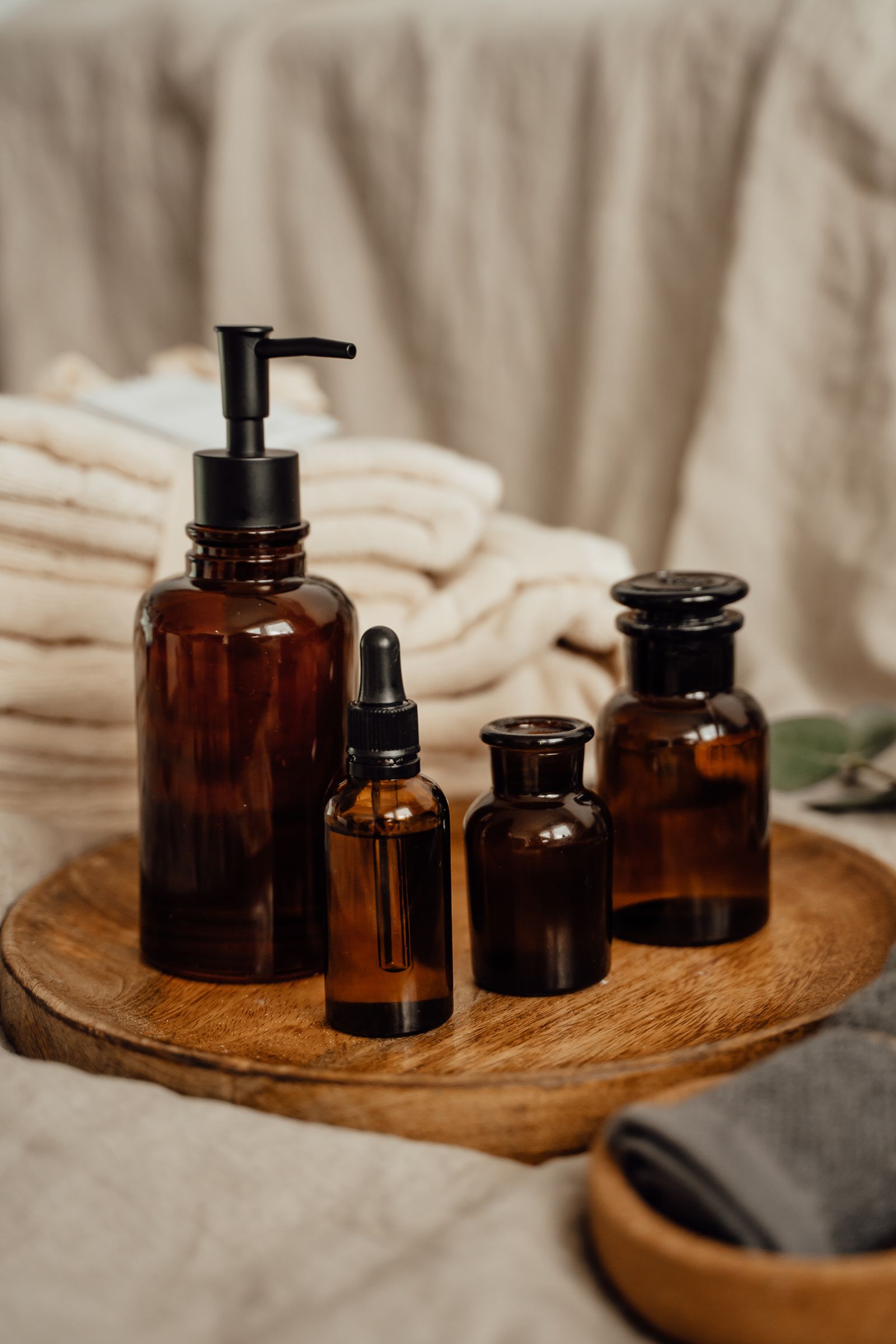
Two separate things degrade over time in a bottle of CBD oil, and they are worth understanding separately. The carrier oil, usually MCT, hemp seed, or olive oil, can oxidize and turn rancid the same way any cooking oil does if exposed to air, light, and heat repeatedly. This is what produces the off smell and taste people associate with old CBD oil.
Separately, the CBD molecule itself degrades chemically over time through oxidation, gradually converting into a different, related cannabinoid called CBN. This is not dangerous, and it is actually the same natural process used deliberately to produce CBN products for sleep, covered in our guide to what CBN is and how it compares to CBD. But if you are buying a product specifically for its CBD content, a bottle that has partially converted to CBN over a year of storage is delivering a different cannabinoid profile than the label describes, generally with less of the effect you originally bought it for.
Signs Your CBD Oil Has Gone Bad
- Rancid or sour smell: Fresh CBD oil has an earthy, herbal scent. A sharp, sour, or “off” smell means the carrier oil has oxidized.
- Cloudy or separated texture: Oil that looks murky or has visibly separated layers has likely broken down and lost consistency.
- Noticeably darker color: Some gradual darkening is normal, but a significant color shift alongside a smell change is a stronger signal.
- Thicker consistency than when new: Oxidized oil can thicken slightly compared to how it poured or dropped when fresh.
If you notice any of these signs, the safest move is simply to replace the bottle rather than try to determine how much potency remains.
How to Store CBD Oil Properly
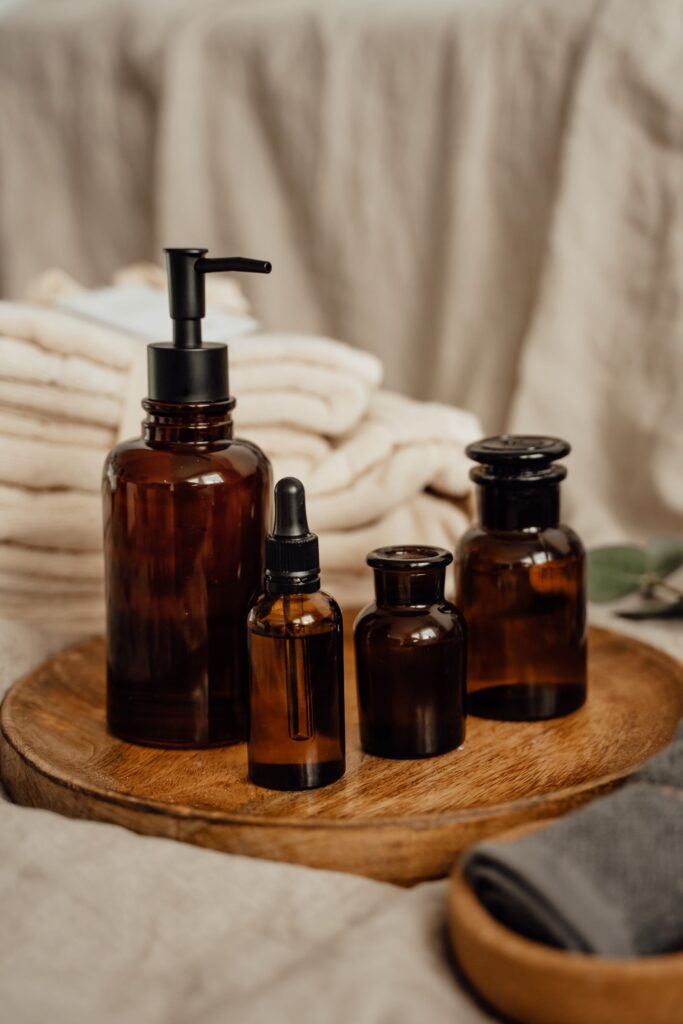
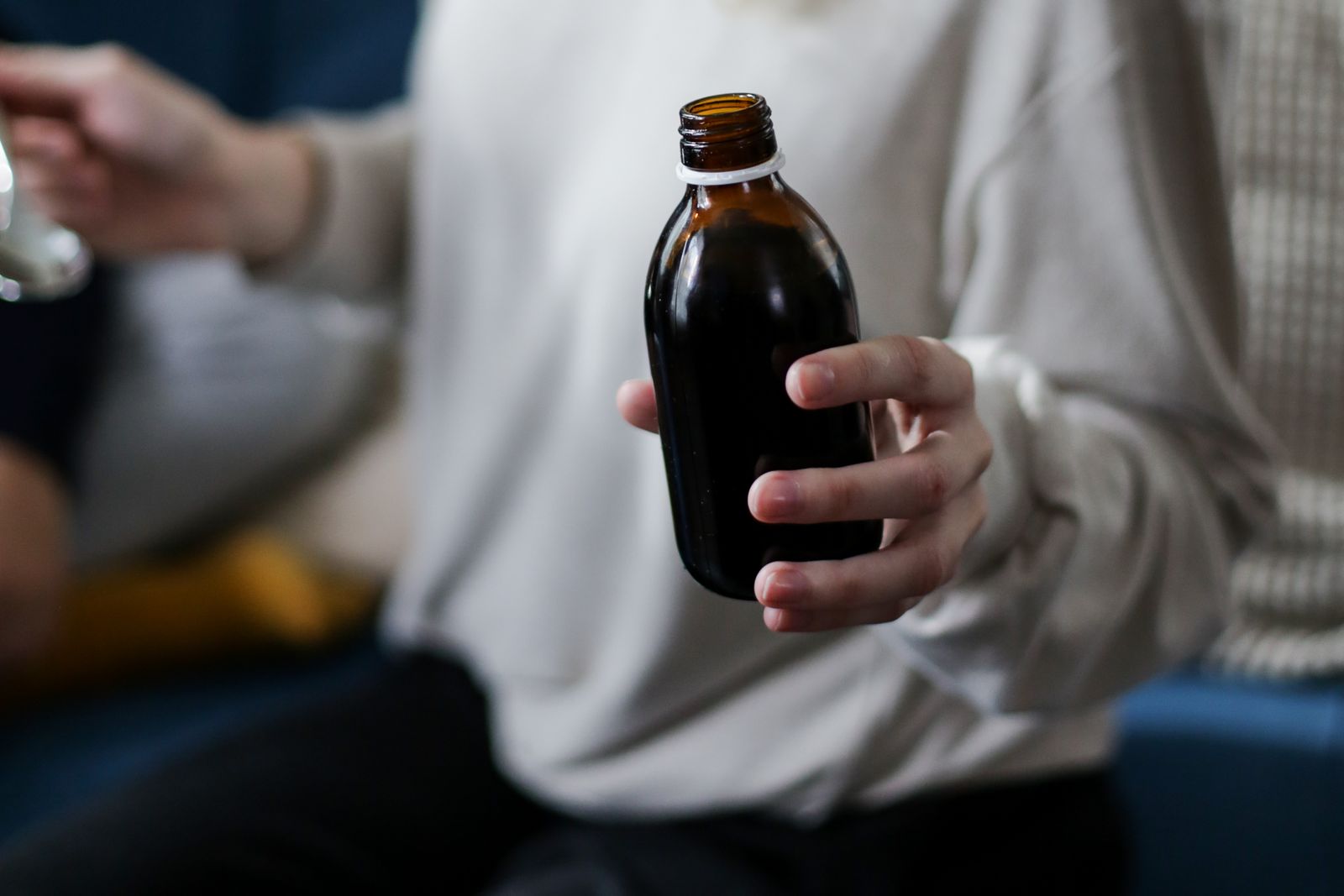
- Keep it in its original dark glass bottle: Amber or cobalt glass blocks the light exposure that accelerates degradation. Never transfer CBD oil into a clear container for storage.
- Store away from direct sunlight and heat: A cabinet, drawer, or pantry works better than a windowsill or a car, where temperature swings are significant.
- Keep the cap tightly sealed between uses: Repeated air exposure is one of the main drivers of oxidation, so a cap left loose or off between doses shortens shelf life meaningfully.
- Refrigeration is optional, not required: A fridge can extend shelf life slightly, particularly in hot climates, but it is not necessary for a product used within its normal shelf window if stored properly at room temperature.
Buying With Shelf Life in Mind
A product with a published batch or bottling date on its Certificate of Analysis makes it much easier to know how fresh a bottle actually is when you buy it, rather than guessing. This is one more reason lab verification matters beyond just confirming potency and purity, covered in our guide on how to read a CBD Certificate of Analysis. If you are shopping for a new bottle, our guide to choosing a quality CBD product covers the fuller list of what separates a reliable brand from one cutting corners.
If you want a starting point for a new bottle, CBD Pure Hemp Oil is our pick for an oil: a full-spectrum tincture whose full-panel Certificate of Analysis is posted publicly, so you can check the lab results before you buy, with a 90-day money-back guarantee. Pick a bottle size you can finish within about six months of opening it, and skip it if you are drug tested, since full-spectrum oil contains trace THC.
Frequently Asked Questions
Does CBD oil expire?
Yes. A sealed bottle typically lasts one to two years, and an opened bottle is generally best used within six to twelve months. It will not become dangerous the way spoiled food can, but it loses potency and can develop a rancid smell or cloudy texture over time.
What happens if you use expired CBD oil?
It should not make you sick, though rancid oil can cause an upset stomach. The main issue is reduced effectiveness, since both the carrier oil and the CBD molecule itself degrade over time, meaning you are getting less of the intended dose than the label states.
How should I store CBD oil to make it last longer?
Keep it in its original dark glass bottle, away from direct sunlight and heat, with the cap tightly sealed between uses. Refrigeration can help extend shelf life slightly but is not required if the bottle is stored properly at room temperature.
Does CBD oil turn into something else as it ages?
Yes. Over time, CBD gradually oxidizes into a related cannabinoid called CBN, the same natural process used deliberately to produce CBN sleep products. This means an old bottle of CBD oil is delivering a somewhat different cannabinoid profile than a fresh one, generally with less of the original CBD content.