
By Marcus Reid | Last updated: September 14, 2026
Adults over 60 are one of the fastest-growing segments of CBD users, and for good reason. The conditions that motivate most CBD use, including chronic pain, sleep difficulties, anxiety, and inflammation, are also the conditions that become more common and often more resistant to conventional treatment as people age. CBD offers a natural option with a generally favorable safety profile for older adults, though there are specific considerations that matter more at this life stage.

Why CBD Is Increasingly Relevant for Older Adults
The endocannabinoid system (ECS) plays a role in many of the biological processes that decline with age: pain modulation, sleep regulation, immune function, and neuroinflammation. Research suggests that ECS tone decreases as we age, which may contribute to increased pain sensitivity, poorer sleep quality, and higher baseline inflammation in older adults.
CBD’s interaction with the ECS, particularly its ability to raise anandamide levels and modulate CB2 receptor activity in immune tissue, is directly relevant to these age-related changes. This is not a promise that CBD reverses aging, but it does explain why the compound is biologically relevant to the most common health concerns of older adults rather than incidentally useful for them.
A 2020 survey published in Cannabis and Cannabinoid Research found that 62% of CBD users over 65 used it specifically for pain management, and 40% reported significant improvement. For a foundational understanding of how CBD works in the body, see: How Does CBD Work? The Endocannabinoid System Explained.
Primary Benefits of CBD for Seniors
Chronic pain: Arthritis, neuropathy, back pain, and general musculoskeletal pain are among the most common conditions in older adults. CBD’s anti-inflammatory and analgesic properties address these through multiple pathways. Topical CBD is particularly practical for localized pain in joints and muscles, while oral CBD provides systemic anti-inflammatory support. For specific guidance on CBD for arthritis, see: Best CBD Gummies for Arthritis Pain.
Sleep quality: Sleep architecture changes significantly with age, with older adults spending less time in deep restorative sleep and experiencing more fragmented nighttime sleep. CBD’s effect on sleep is primarily mediated through reducing anxiety and physical discomfort rather than direct sedation, which addresses many of the actual reasons older adults struggle with sleep. For more on CBD and sleep, see: Does CBD Help with Sleep? What the Research Shows.
Anxiety and mood: Anxiety is common in older adults, particularly around health concerns, loss, and major life transitions. CBD’s anxiolytic effects, documented in multiple clinical studies, may provide meaningful support for age-related anxiety without the dependency risks associated with benzodiazepines, which are commonly prescribed but carry significant risks for older adults including cognitive impairment and fall risk.
Neuroprotection: CBD has documented antioxidant and neuroprotective properties in preclinical research. While the human evidence specifically for age-related cognitive protection is still developing, the biological mechanisms are relevant and several ongoing clinical trials are examining CBD’s role in conditions like Alzheimer’s disease and age-related cognitive decline.
Important Safety Considerations for Older Adults
Drug interactions are the primary concern: Older adults are more likely to be taking multiple prescription medications. CBD inhibits the CYP450 enzyme system in the liver, which processes a wide range of medications including blood thinners (warfarin), certain heart medications, some pain medications, and many common drugs prescribed to older adults. This interaction can increase or decrease medication blood levels in ways that are clinically significant. Consulting your doctor before starting CBD is particularly important for older adults on prescription medications. For a full overview of CBD interactions and safety, see: CBD Side Effects: What to Know Before You Start.
Start with lower doses: Age-related changes in liver and kidney function can affect how the body processes CBD. Older adults may find that lower doses are effective and that dose increases should be made more gradually than in younger adults. Starting at 5mg to 10mg rather than the 15mg to 25mg commonly recommended for younger adults is more appropriate for many seniors.
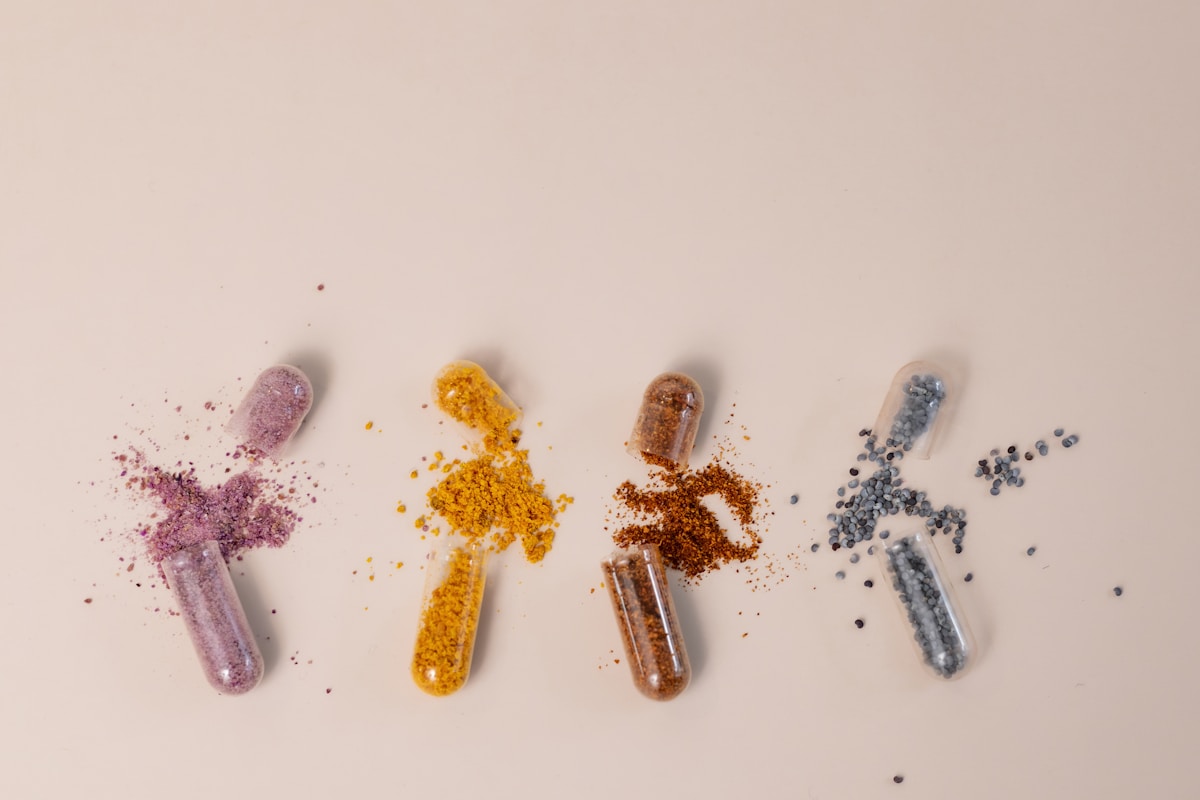
Capsules or gummies are often preferable: Older adults who take other daily supplements or medications may find it easier to integrate CBD as a capsule or gummy alongside their existing routine. These formats also offer consistent dosing without the need to measure drops, which is a practical advantage. For guidance on choosing the right format, see: CBD Oil vs Gummies vs Capsules: Which Works Best?.
Broad-spectrum or isolate to minimize drug test and THC exposure: While THC is not the primary safety concern for older adults who are not subject to drug testing, isolate and broad-spectrum products have simpler pharmacology that may be preferable when managing multiple medications and health conditions simultaneously.
Frequently Asked Questions
Is CBD safe for seniors and older adults?
CBD is generally considered safe for older adults at normal consumer doses. The primary specific concern for seniors is drug interactions, as CBD inhibits liver enzymes that process many common medications. Older adults who take prescription medications should consult their doctor before starting CBD. The WHO’s safety review of CBD found no public health risks with pure CBD at normal doses.
What is the best CBD dose for seniors?
Most guidelines suggest older adults start lower than younger adults, at 5mg to 10mg daily rather than 15mg to 25mg, due to age-related changes in liver and kidney function that can affect how the body processes CBD. Increase by 5mg every one to two weeks based on response. For a complete dosing framework, see: CBD Dosage Guide: How Much Should You Actually Take?.
Can CBD interact with blood pressure medications?
Yes, potentially. CBD inhibits CYP450 enzymes that process many cardiovascular medications, which can increase blood levels of the medication above intended therapeutic ranges. Calcium channel blockers, beta-blockers, and some statins are processed through pathways CBD inhibits. If you take blood pressure medications, discuss with your doctor before starting CBD. For gummy-specific guidance and what the research shows, see: Best CBD Gummies for High Blood Pressure.
Can CBD help with arthritis in older adults?
Arthritis is one of the most common conditions driving CBD use among seniors. CBD’s anti-inflammatory properties and its effect on pain signaling pathways are directly relevant to both osteoarthritis and rheumatoid arthritis. A 2020 pilot study in JCI Insight found significant reduction in inflammatory markers in CBD-treated participants. Many older adults with arthritis report meaningful improvement in pain and stiffness with regular CBD use, particularly with topical CBD for localized joint pain.
5 Life-Changing Health Benefits of CBD for Seniors
The five most consistently evidenced benefits of CBD for adults over 60, ranked by research support and real-world impact:
- Chronic pain and arthritis relief: CBD modulates CB2 receptors in joint and immune tissue, reducing the inflammatory signalling that drives arthritis and musculoskeletal pain. This is the most evidenced application of CBD in older adults — a 2020 Cannabis and Cannabinoid Research survey found 62% of CBD users over 65 used it specifically for pain, with 40% reporting significant improvement.
- Improved sleep quality: By reducing pain load and anxiety simultaneously, CBD addresses two of the three primary causes of age-related insomnia. Unlike sleep medications, CBD does not cause next-day grogginess or dependency, making it suitable for long-term daily use.
- Anxiety and stress reduction: CBD modulates 5-HT1A serotonin receptors, producing anxiolytic effects without sedation or tolerance build-up. This is particularly relevant for older adults managing health anxiety, bereavement, or transition-related stress.
- Neuroprotective effects: Preclinical research suggests CBD’s antioxidant and anti-inflammatory properties may slow neuroinflammation — a driver of cognitive decline. While human clinical evidence is still developing, the mechanism is biologically plausible and the safety profile makes CBD a low-risk option to explore.
- Reduced dependence on opioids and sleep medications: Multiple studies have documented CBD’s role in reducing opioid dose requirements for chronic pain management. For seniors who want to reduce polypharmacy risk, CBD can serve as a natural complement or partial replacement for medications with higher side-effect profiles.
Best CBD Products for Seniors in 2026
For older adults, the most practical CBD format is gummies — fixed dose per piece, no measuring, easy to build into a daily routine. The strongest option for seniors in the US and Canada:
Calmora CBD Gummies — Best for Stress and Sleep
Calmora is specifically formulated for stress and sleep support — the two most common CBD use cases among adults over 60 who are not primarily managing chronic pain. If sleep disruption or anxiety is the primary concern, Calmora is the more focused option. Full review: Calmora CBD Gummies Review.
Important note for seniors on medication: CBD can interact with medications metabolised by the cytochrome P450 enzyme system — including blood thinners, certain antidepressants, and anticonvulsants. Consult your doctor before starting CBD if you take prescription medication regularly.