By Marcus Reid | Last updated: September 19, 2026
Full spectrum CBD is the starting point for understanding the rest of the CBD market. Everything else — broad spectrum, isolate — is a more refined version of it. Understanding what full spectrum actually contains, why those compounds matter, and who it is right for makes every other CBD purchasing decision clearer.
What Is Full Spectrum CBD?
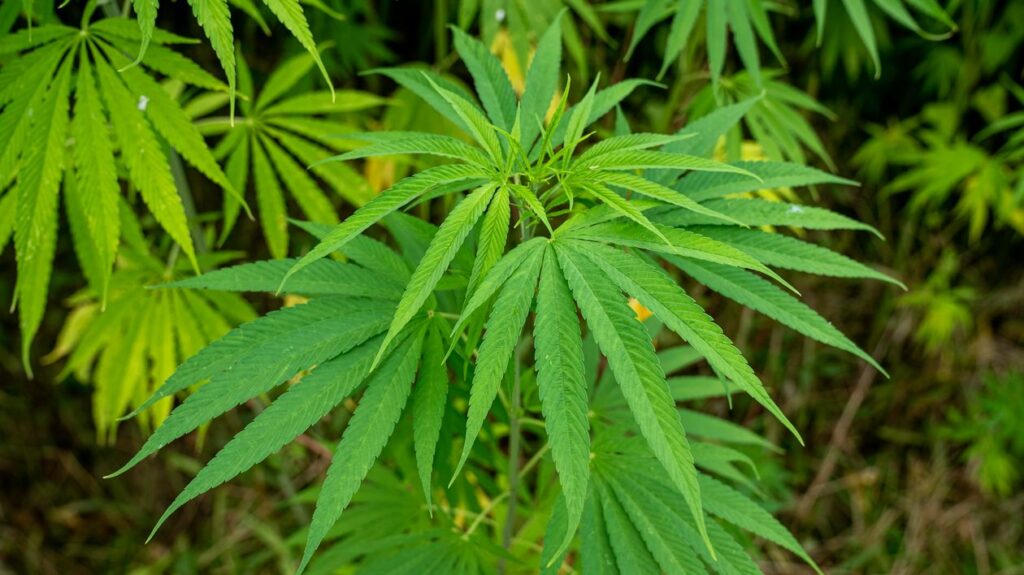
Full spectrum CBD is an extract from the hemp plant that retains all of the plant’s naturally occurring compounds after extraction. This includes:
- CBD (cannabidiol) — the primary active cannabinoid, present in the highest concentration
- Minor cannabinoids — CBG (cannabigerol), CBN (cannabinol), CBC (cannabichromene), and others in smaller amounts
- Terpenes — aromatic compounds like myrcene, linalool, beta-caryophyllene, and limonene that contribute to the plant’s scent and have biological activity of their own
- Flavonoids — plant polyphenols with antioxidant and anti-inflammatory properties
- Trace THC — within the legal limit of 0.3% in the US (0.2% in the EU); not enough to cause psychoactive effects at normal doses
The key distinction from broad spectrum and isolate is that nothing is deliberately removed from the extract. Full spectrum is the closest thing to the plant’s natural compound profile in a consumable product. For how it compares to the other extract types, see: Full Spectrum vs Broad Spectrum vs CBD Isolate: Complete Comparison.
How Full Spectrum CBD Is Made
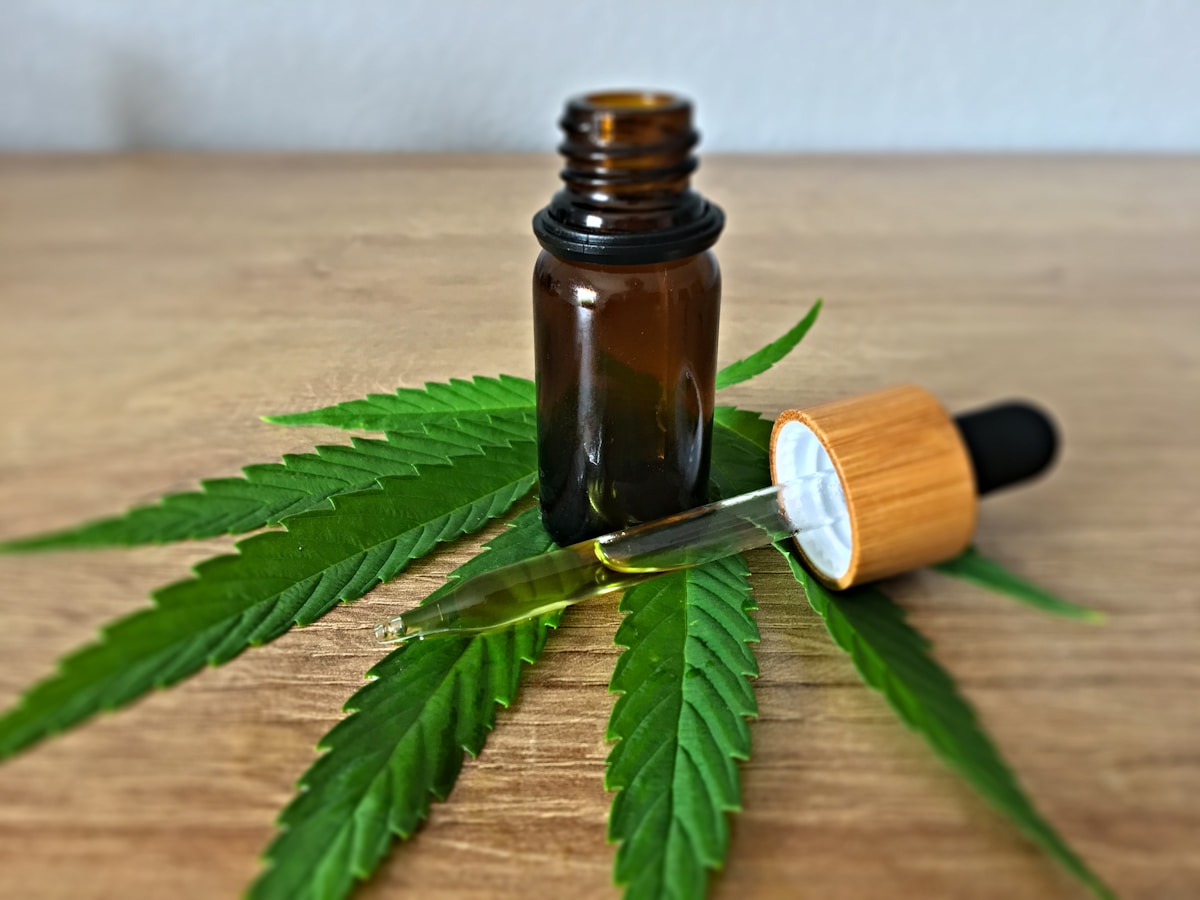
Full spectrum CBD is produced by extracting cannabinoids and other compounds from hemp using CO2 or ethanol as the solvent. CO2 extraction is the industry standard for quality products — it preserves the terpene and minor cannabinoid profile without residual solvent concerns and produces a cleaner final extract.
After extraction, full spectrum oil undergoes minimal additional processing compared to broad spectrum or isolate. The result is an oil that closely mirrors the hemp plant’s natural compound ratios. The characteristic dark color and strong earthy taste of quality full spectrum oils comes directly from the retained plant compounds — a sign of a less-refined, more complete extract.
The Entourage Effect: Why Full Spectrum Works Better
The entourage effect is the central scientific argument for choosing full spectrum CBD over purer forms. First described in the research of Israeli scientists Raphael Mechoulam and Shimon Ben-Shabat, it refers to the synergistic relationship between cannabinoids, terpenes, and other plant compounds — where they collectively produce greater therapeutic effects than any single compound alone.
A key study published in Pharmacology and Pharmacy demonstrated this directly: a full-plant CBD extract produced superior anti-inflammatory outcomes compared to purified CBD isolate, even at the same CBD dose. The additional compounds amplified CBD’s effects in measurable ways.
Individual terpenes in full spectrum extracts also have documented biological activity of their own. Beta-caryophyllene activates CB2 receptors and has anti-inflammatory effects. Linalool (also found in lavender) has anxiolytic properties. Myrcene has sedative and analgesic properties. These are not passive bystanders — they contribute to the overall effect profile alongside CBD. For more on how CBD interacts with the endocannabinoid system, see: How Does CBD Work in the Body?.
Full Spectrum CBD Benefits
Full spectrum CBD is the most studied extract type in clinical and preclinical research. Its documented benefits include:
Anxiety and stress: The combination of CBD’s 5-HT1A serotonin receptor activity with calming terpenes like linalool and myrcene makes full spectrum particularly effective for anxiety. A Permanente Journal study found anxiety reduced in 79.2% of participants within one month of consistent CBD use.
Pain and inflammation: CB1 and CB2 receptor activation by CBD alongside minor cannabinoids and beta-caryophyllene produces a multi-pathway anti-inflammatory and analgesic effect. Full spectrum is the preferred format for chronic pain conditions. For detail on the mechanisms, see: CBD and Inflammation: The Science Behind the Benefits.
Sleep: The combination of CBD’s anxiolytic effects with sedative terpenes like myrcene and nerolidol supports both sleep onset and sleep quality. Full spectrum is consistently preferred over isolate in sleep research outcomes. For more, see: Does CBD Help You Sleep?.
General wellness: Daily use of low-dose full spectrum CBD supports overall endocannabinoid system tone, which regulates mood, pain sensitivity, immune function, and stress response. This is the most common use case for most adults who incorporate CBD into a daily routine.
Who Should Use Full Spectrum CBD
Full spectrum is ideal for: Adults seeking the most effective CBD option for chronic pain, anxiety, sleep, or general wellness who are not subject to drug testing. It is the best starting point for new CBD users who want to experience the plant’s full potential before considering more refined options.
Full spectrum is not recommended for: People who are regularly drug tested (athletes, certain professions), those with specific THC sensitivity, or anyone who needs absolute certainty of zero THC in their products. In these cases, broad spectrum or CBD isolate is the appropriate choice.
Best Full Spectrum CBD Products in 2026
CBD Pure Hemp Oil is our top pick for full spectrum CBD oil in the US market: solvent-free extraction, a full-panel Certificate of Analysis posted publicly, multiple potency options and a 90-day money-back guarantee. For the full review, see: CBD Pure Hemp Oil Review 2026.
Triple Green Farms is our pick for full spectrum CBD gummies in the US. They are made in an FDA-registered, GMP-certified facility and priced from $39.80 per bottle on the five-bottle bundle, with a 30-day money-back guarantee. The formula contains trace THC, so it is not a fit if you are drug tested. For the full review, see: Triple Green Farms CBD Gummies Review 2026.
→ Check Triple Green Farms CBD Gummies
For dosing guidance, see: CBD Dosage Guide: How Much Should You Actually Take?.
Frequently Asked Questions
What does full spectrum CBD mean?
Full spectrum CBD means the hemp extract retains all naturally occurring plant compounds — CBD, minor cannabinoids (CBG, CBN, CBC), terpenes, flavonoids, and trace THC under 0.3%. Nothing is deliberately removed after extraction. It is the least refined and most complete CBD extract type available.
Will full spectrum CBD get you high?
No. Full spectrum CBD contains THC at trace levels under 0.3%, which is far below the threshold for psychoactive effects. At typical consumer doses of 25 to 75mg CBD per day, the trace THC present produces no intoxicating effect. The psychoactive threshold for THC requires milligrams of THC — not the fractions of a milligram found in full spectrum CBD at standard doses.
Is full spectrum CBD the strongest?
Yes, in terms of overall therapeutic effect. Full spectrum is the most effective extract type for most wellness applications because the entourage effect — the synergy between CBD, minor cannabinoids, terpenes, and trace THC — amplifies CBD’s action beyond what isolated CBD alone achieves. At an equivalent CBD dose, full spectrum consistently outperforms isolate in research and practitioner experience.
How much full spectrum CBD should I take?
Start at 15 to 25mg of CBD per day and hold that dose for two weeks before adjusting. Most adults find their effective range between 25 and 75mg daily depending on body weight, metabolism, and the condition being addressed. Full spectrum may be effective at lower doses than isolate due to the entourage effect. For a complete guide, see: CBD Dosage Guide.