By Marcus Reid | Last updated: September 21, 2026
If a drug test is a real concern, whether for work, a custody arrangement, or an athletic program, the isolate-versus-broad-spectrum question is not just academic. The two are often marketed as interchangeably “THC-free,” and they are not quite the same bet.
What Each Type Actually Contains
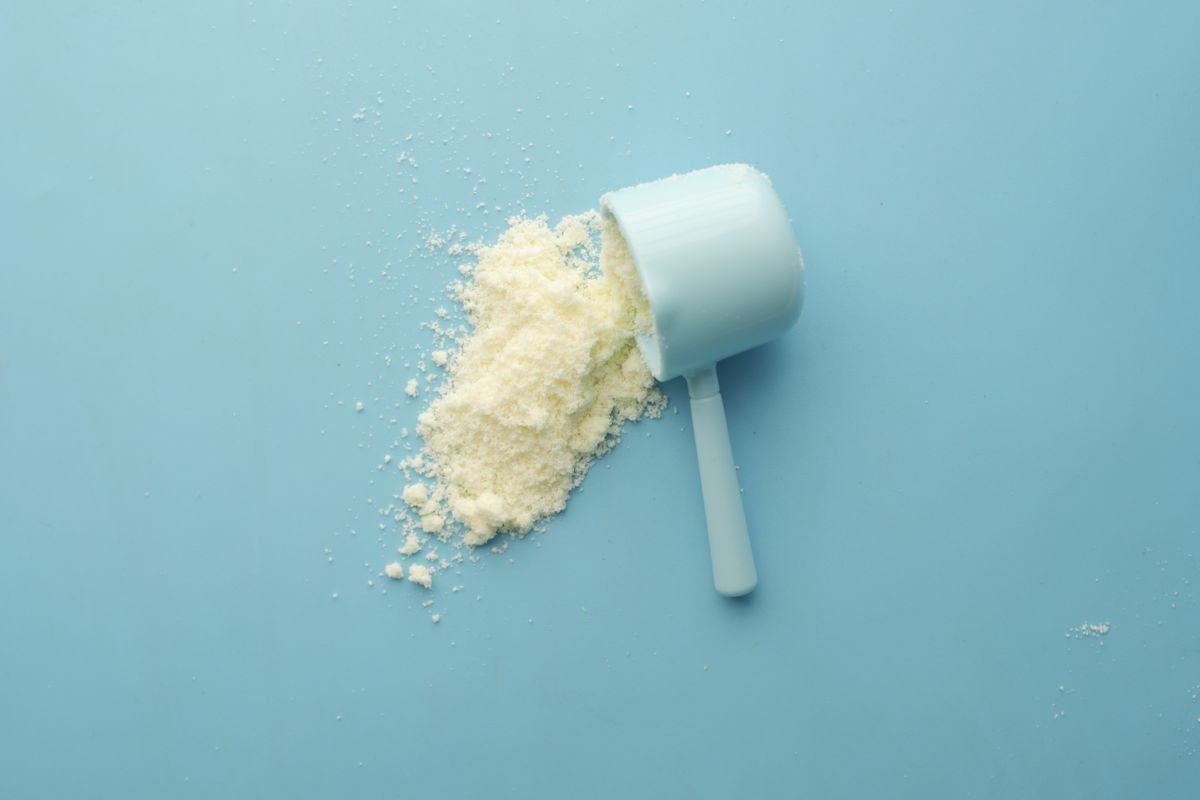
CBD isolate is CBD extracted and purified down to a single compound, typically 99% or higher purity, with everything else, including THC, other cannabinoids, terpenes, and plant matter, removed. On paper it is the simplest and lowest-risk option: there is nothing else in it that could show up on a test.
Broad spectrum CBD starts from full-spectrum hemp extract, which naturally contains trace THC alongside CBD, CBG, CBN, and terpenes, and then goes through an additional processing step specifically to remove the THC while keeping the other compounds. Done correctly, the result is a product with the wider cannabinoid profile people associate with the “entourage effect,” minus the THC. Our full spectrum vs isolate comparison goes into the entourage effect question in more depth if that is what is drawing you to broad spectrum in the first place.
Why Broad Spectrum Carries a Little More Risk
The gap between isolate and broad spectrum comes down to one thing: broad spectrum requires an extra manufacturing step to work as advertised, and that step is not standardized or independently verified before the product reaches a shelf. A brand can call a product broad spectrum without the THC removal being complete, either through a weaker process or through cross-contamination on shared equipment with full-spectrum batches.
This is not a hypothetical concern. A 2022 Johns Hopkins Medicine study published in JAMA Network Open tested 105 over-the-counter CBD products and found detectable THC in 37 of them, 35%, all within the legal 0.3% limit, but 11% of those THC-containing products were labeled “THC free” on the packaging (Johns Hopkins Medicine, 2022). The study focused on topical products, not oils or gummies, but the underlying issue, labels not always matching lab reality, applies across the category. True isolate has fewer places for that kind of error to hide, since there is only one compound to verify instead of a full profile with THC removed from it.

The Certificate of Analysis Is What Actually Settles It
Neither “isolate” nor “broad spectrum” on a label is proof of anything by itself. The Certificate of Analysis, a third-party lab report tied to the specific batch, is what confirms whether THC is actually absent. Look for a result reported as ND (non-detectable) or below the lab’s limit of quantification, not just a number under 0.3%, since 0.3% is the legal hemp threshold, not a guarantee against a positive test with regular use. Our guide to reading a CBD Certificate of Analysis walks through exactly what to look for and where brands sometimes fall short.
When Broad Spectrum Is Still a Reasonable Choice
If you are not facing a zero-tolerance drug test, broad spectrum from a brand with a clean, current, batch-specific COA showing non-detectable THC is a reasonable middle ground. You get the wider cannabinoid and terpene profile some people find more effective, with a documented THC result rather than just a marketing claim. The extra risk versus isolate is small once the COA is verified. It only becomes a meaningful gap when you are relying on the label alone, or when the consequence of a positive test is severe enough that even a small, unverified risk is not worth taking.
If you get tested and want a starting point, our pick is Forest Mountain Farms CBD: broad spectrum, made from USDA-certified organic Colorado hemp, with batch-level COAs that show non-detectable THC. That is the kind of document this section describes, but pull the COA for the exact batch you buy and confirm the THC line reads ND before you rely on it, because no product can guarantee a negative test.
→ Check Forest Mountain Farms CBD
Quick Comparison
| Type | THC risk without a COA | THC risk with a verified ND COA | Best for |
|---|---|---|---|
| CBD isolate | Low | Very low | Zero-tolerance testing (military excluded, see below) |
| Broad spectrum | Low to moderate | Low | Workplace testing with buffer time, wanting a fuller cannabinoid profile |
| Full spectrum | Moderate, accumulates with daily use | Moderate | No drug testing concerns at all |
One exception worth flagging: none of this applies if you are an active duty member of the U.S. military. DoD policy prohibits hemp-derived and cannabinoid products entirely, regardless of THC content or spectrum type. Our guide on CBD and military drug testing covers why isolate is not an exception there.
Frequently Asked Questions
Is CBD isolate safer than broad spectrum for a drug test?
Generally yes. Isolate is a single, purified compound with nothing else to verify, while broad spectrum depends on an extra THC-removal step that is not always complete or accurately labeled. The gap narrows significantly once you check a batch-specific Certificate of Analysis showing non-detectable THC for either type.
Can broad spectrum CBD still show up on a drug test?
It can, in rare cases, usually because the THC-removal process was incomplete or the product was mislabeled. This is uncommon with a reputable brand and a verified COA, but it is not a zero-risk category the way people sometimes assume.
Does CBD isolate ever contain THC?
It can, usually from cross-contamination during manufacturing if the same facility also processes full-spectrum hemp. This is why a batch-specific COA matters even for isolate, rather than assuming the product type alone guarantees a THC-free result.
How do I verify a CBD product is actually THC-free?
Request or look up the current Certificate of Analysis for the specific batch you are buying, not just a general one on the brand’s website. Look for a THC result reported as ND (non-detectable) or below the lab’s limit of quantification, not simply “under 0.3%.”
Which is better for effectiveness, isolate or broad spectrum?
That depends on what you are using CBD for, not on drug test risk. Some people report broad spectrum feels more effective due to the entourage effect of multiple cannabinoids working together, while isolate offers a simpler, more predictable single-compound dose. Our full spectrum vs isolate guide compares the two on that basis.
For the full picture on drug testing and CBD generally, see our guide to whether CBD shows up on a drug test, or browse our picks for CBD without THC for drug-tested buyers.