By Marcus Reid | Last updated: September 21, 2026
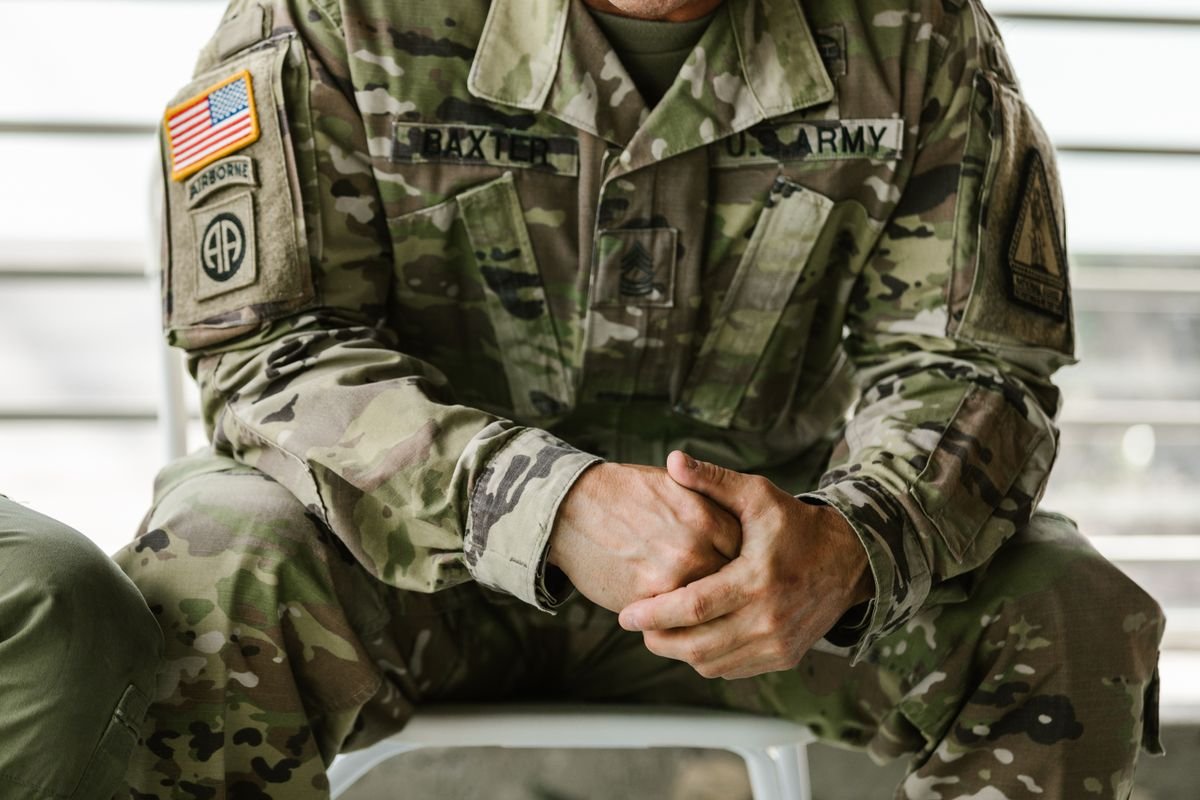
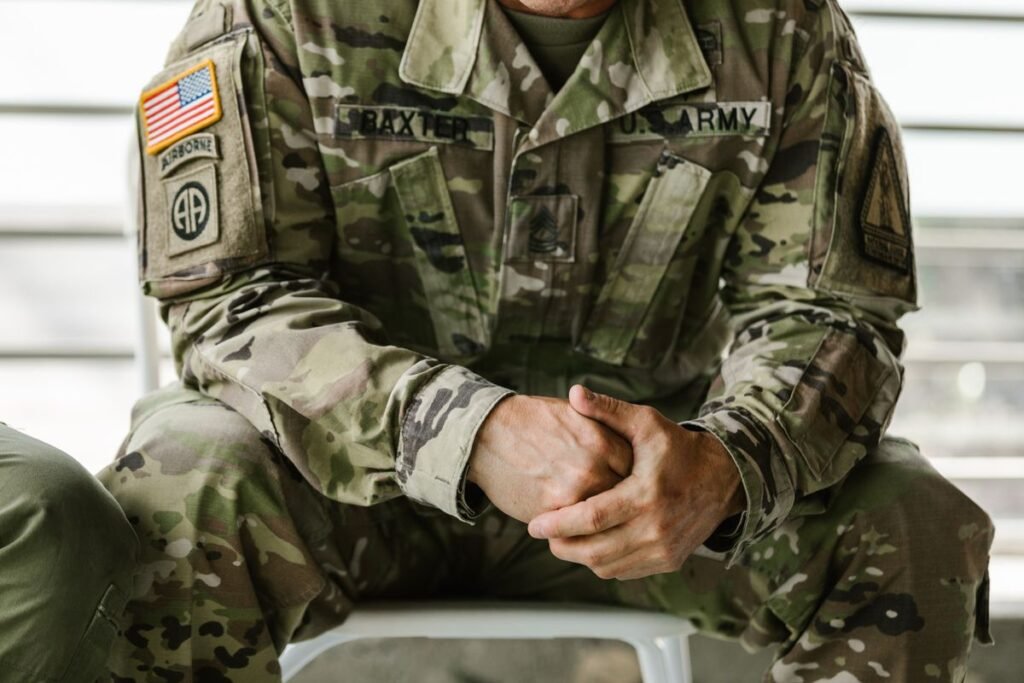
This is one of the few corners of the CBD conversation where the civilian rules simply do not apply. Everywhere else on this site we talk about choosing broad spectrum or isolate products to lower drug test risk. In the military, that distinction does not matter. The policy is not about how much THC a product contains. It is about the product category itself.
Why the Military Ban Covers CBD Even Without THC
Army Regulation 600-85, the Army Substance Abuse Program, prohibits the use of marijuana, hemp, and all cannabinoid-containing products, including CBD, regardless of the source or the advertised THC content. The other service branches apply the same logic through their own regulations and the Department of Defense’s broader zero-tolerance drug policy. The reasoning is straightforward from the military’s side: hemp-derived products are not consistently regulated, and the DoD does not want to rely on a label to determine what is actually in a bottle a service member is taking every day.
This is a different standard than most U.S. employers use. A civilian workplace policy might accept a CBD isolate product backed by a clean Certificate of Analysis. Military policy does not make that exception. The product being CBD, not the THC percentage on the label, is what makes it prohibited.
What Military Drug Tests Actually Screen For
Military urinalysis, like most workplace drug screens, tests for THC metabolites, specifically THC-COOH, not for CBD itself. CBD does not metabolize into THC in the body, and pure CBD will not trigger a positive result on its own. The risk comes entirely from what else is in the product.
Full-spectrum CBD products legally contain up to 0.3% THC by weight. That sounds negligible, and for an occasional civilian user it usually is. But daily or near-daily use over weeks can allow trace THC to accumulate to a detectable level, and military testing is frequent and unannounced. A service member using a full-spectrum tincture every night has a real, cumulative exposure that a civilian taking the same product occasionally might not.
Why “THC-Free” Labels Are Not a Safe Workaround
Even setting the military policy aside, THC-free and broad-spectrum labeling is less reliable than most buyers assume. A 2022 Johns Hopkins Medicine study published in JAMA Network Open tested 105 topical CBD products and detected THC in 37 of them, 35%, all within the legal 0.3% limit, but four of those 37 products were labeled “THC free” despite the detectable THC (Johns Hopkins Medicine, 2022). That study looked at topical products specifically, not tinctures or gummies, but it illustrates a point that matters here: a label claiming zero THC is not a guarantee, and for a service member the consequence of being wrong is not a workplace warning, it is a positive test under a zero-tolerance policy.
Our guide to THC-free CBD for civilian drug-tested users covers how to evaluate those labels and Certificates of Analysis. It is useful background reading, but it is written for civilian workplace testing, not military service, and none of the products discussed there make a product acceptable under military policy.
What a Positive Test Actually Means for a Service Member
A positive THC result from a CBD product is treated the same as any other positive THC result. It falls under Article 112a of the Uniform Code of Military Justice, and consequences can include nonjudicial punishment, administrative separation, loss of rank, or in some cases court-martial, depending on the branch, the circumstances, and the service member’s record. Claiming the positive came from a THC-free CBD product does not change how the test result is processed. The burden is on the service member to have never used the product in the first place, not to explain the result afterward.
If you are active duty and already used a CBD product before learning about this policy, or a positive test is pending, this is a legal and career matter, not a wellness question. Speak with your chain of command or a military defense attorney (JAG or civilian) rather than looking for an explanation online. This article is educational and not legal advice.
What About Veterans, Reservists, and Family Members?
This ban applies specifically to active duty service members under military drug testing policy. Veterans and military family members are not subject to the UCMJ or DoD drug policy once separated from active service, and are generally covered by the same state and federal CBD rules as any other civilian, including workplace drug testing where applicable. Reservists and National Guard members should check their specific component’s policy, since drug testing frequency and standards can differ from active duty, but the underlying DoD prohibition on hemp and cannabinoid products still applies during any period of duty status.
Frequently Asked Questions
Does the military specifically test for CBD?
No. Military drug tests screen for THC metabolites, not CBD. CBD itself will not cause a positive result. The risk is trace THC that full-spectrum or mislabeled products can contain, which can accumulate with regular use and trigger a positive THC test.
Can I use CBD oil in the military if it is THC-free?
No. Department of Defense policy and Army Regulation 600-85 prohibit hemp-derived and cannabinoid-containing products for active duty service members regardless of the advertised THC content. A product being labeled THC-free does not make it authorized for use while serving.
What happens if I test positive for THC from CBD while in the military?
A positive THC result is processed the same way regardless of the source, under Article 112a of the UCMJ. Consequences can range from nonjudicial punishment to administrative separation or court-martial depending on the circumstances and branch. Using a THC-free CBD product is not treated as a defense.
Can veterans or military family members use CBD?
Yes. The DoD prohibition applies to active duty service members subject to military drug testing policy. Veterans and family members who are not active duty are generally covered by ordinary civilian and state CBD rules instead.
Is this policy the same across all military branches?
The core prohibition on hemp and cannabinoid products is consistent DoD-wide, though each branch codifies it through its own regulation, such as Army Regulation 600-85. Reservists and National Guard members should confirm the specific testing policy for their component.
If you are a civilian navigating drug test concerns instead, our guide to the best CBD without THC for drug-tested users and our explainer on whether CBD shows up on a drug test cover the workplace side of this question in more depth.