By Marcus Reid | Last updated: September 21, 2026
These two situations get lumped together constantly, and the difference matters for what you should actually do next.
What “False Positive” Actually Means
A true false positive is a test result that says THC is present when it genuinely is not, meaning the test itself made an error. Most workplace and legal drug screens start with an immunoassay, a fast, inexpensive test that looks for a chemical reaction rather than identifying the exact molecule. Immunoassays can occasionally cross-react with substances that are chemically similar to what they are looking for, which is the actual mechanism behind a real false positive.
That is different from a test correctly detecting THC that is actually in your system, even if you did not expect it to be there. That second scenario, a real positive from an unexpected source, is what most CBD users are actually describing when they use the term “false positive.”
The Most Common “False Positive” From CBD Is Not Actually False
If someone uses a full-spectrum CBD product daily, trace THC (legally up to 0.3%) can accumulate to a detectable level over time. If someone uses a broad spectrum or “THC-free” product that was mislabeled or incompletely processed, the same thing can happen even though the label said otherwise. A 2022 Johns Hopkins Medicine study in JAMA Network Open found detectable THC in 35% of the over-the-counter CBD products it tested, despite legal, compliant labeling in most cases (Johns Hopkins Medicine, 2022). In both cases, the test result is accurate. The surprise is in the product, not the test. Our guides on full spectrum vs isolate and isolate vs broad spectrum for drug tests cover how to reduce this specific risk going forward.
Real, Non-CBD Causes of a Genuine False Positive
Actual false positives for THC on an initial immunoassay screen do happen, just not usually from CBD. Certain NSAIDs, ibuprofen and naproxen among them, have been documented to occasionally cause a false positive cannabinoid result. An older but frequently cited study found this happened in 2 of 502 urine samples tested, one following a large single dose of ibuprofen and the other following chronic naproxen use, and researchers have proposed it comes from the drug interfering with the immunoassay’s chemistry rather than from any cannabinoid actually being present. A 2011 review in the Journal of Clinical Chemistry characterized the overall likelihood as low but real. Other substances occasionally implicated in false positives across different drug classes include certain cold medications and proton pump inhibitors, depending on the specific screening test used.
What to Do If You Test Positive Unexpectedly
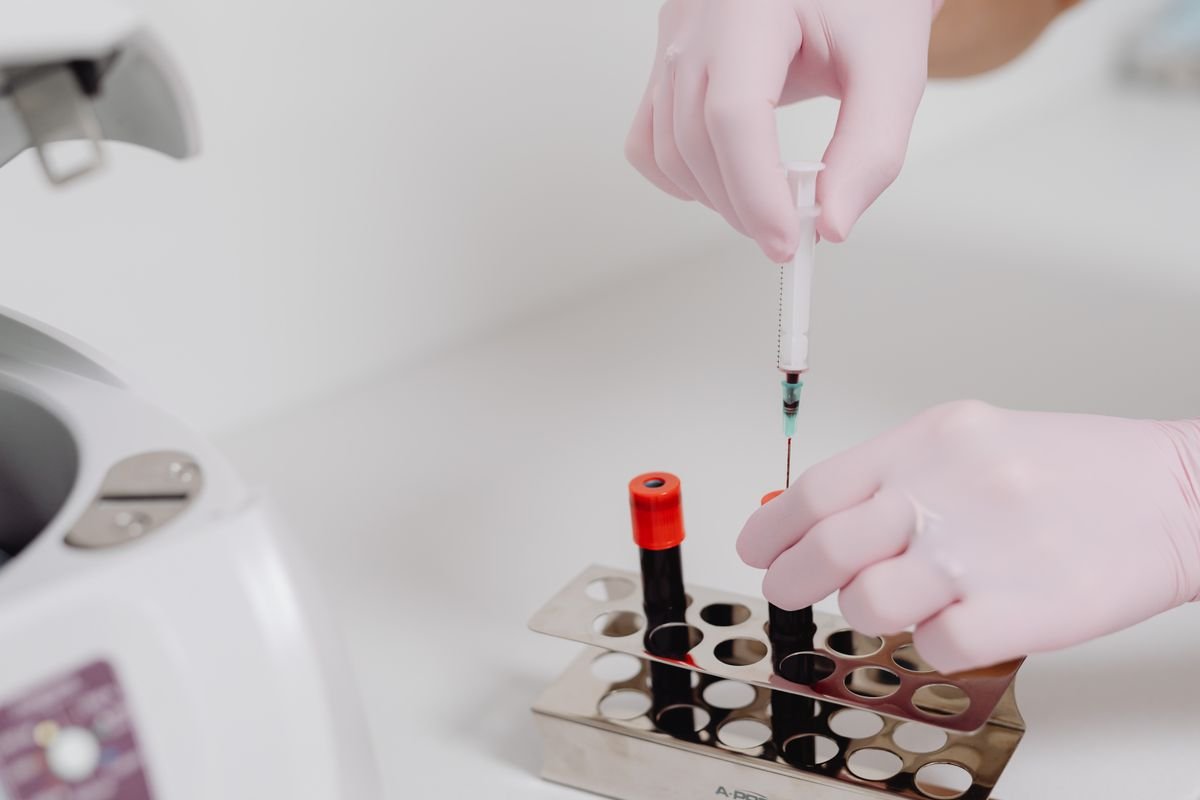
First, ask for or confirm that a confirmatory test will be run. Reputable testing programs, including federal workplace testing under SAMHSA guidelines, follow an initial positive immunoassay with a more specific method, typically GC-MS or LC-MS/MS, before treating a result as final. A confirmatory test will correctly separate a genuine false positive from a true positive, and it is far more accurate than the initial screen.
Second, if the confirmatory test also comes back positive, look at what you were actually using. Pull the batch-specific Certificate of Analysis for any CBD product in your routine and check the actual THC result, not just the marketing claim on the label. If you cannot find a current COA for that batch, that gap is itself informative.
If you are tested and still want to use CBD going forward, choose a product whose batch COA shows non-detectable THC instead of relying on the label. Our pick for tested buyers is Forest Mountain Farms CBD, a broad-spectrum brand made from USDA-certified organic Colorado hemp that publishes batch-level COAs with THC reported as non-detectable. Even so, check the COA for the exact batch you receive, and remember that no product can guarantee a negative result.
→ Check Forest Mountain Farms CBD
How Common Is Any of This, Really?
Put the two categories side by side and the picture gets clearer. True immunoassay false positives from medication are documented but rare, on the order of a fraction of one percent in the small study cited above, and modern confirmatory testing catches nearly all of them before they become a real consequence. Mislabeled or accumulated THC from CBD products is a more common and more preventable issue, showing up in roughly a third of tested products in the Johns Hopkins research, and it is entirely within a buyer’s control by choosing isolate or a verified COA over a marketing claim.
Frequently Asked Questions
Can CBD cause a false positive drug test?
Pure CBD itself will not. What actually happens in most reported cases is a real positive from trace or mislabeled THC in the CBD product, not a test error. True test errors involving THC are rare and usually linked to something else entirely, such as certain NSAIDs interfering with the initial screening chemistry.
How common are real false positive THC drug tests?
Genuinely rare. An often-cited study found only 2 false positives for cannabinoids among 502 urine samples, both linked to NSAID use rather than CBD. Confirmatory lab testing, required in most formal drug testing programs, catches the large majority of these before they affect a final result.
Can ibuprofen cause a false positive marijuana test?
In rare cases, yes, on an initial immunoassay screen. Research has documented this after high single doses or chronic use of certain NSAIDs. A confirmatory test using a method like GC-MS reliably distinguishes this from an actual THC result.
What should I do if I test positive after using CBD?
Request or confirm that a confirmatory test, such as GC-MS, is run before the result is treated as final. Separately, check the Certificate of Analysis for the specific batch of any CBD product you were using to see whether it actually contained detectable THC.
Is a positive THC test from CBD treated differently than a regular positive?
In most workplace, legal, and military contexts, no. A confirmed positive is a confirmed positive regardless of the source, which is why choosing a verified, low-risk CBD product matters more than assuming good intentions will be taken into account after the fact.
For more on reducing this risk before it becomes a problem, see our guides on whether CBD shows up on a drug test and CBD without THC for drug-tested users.