By Marcus Reid | Last updated: September 30, 2026
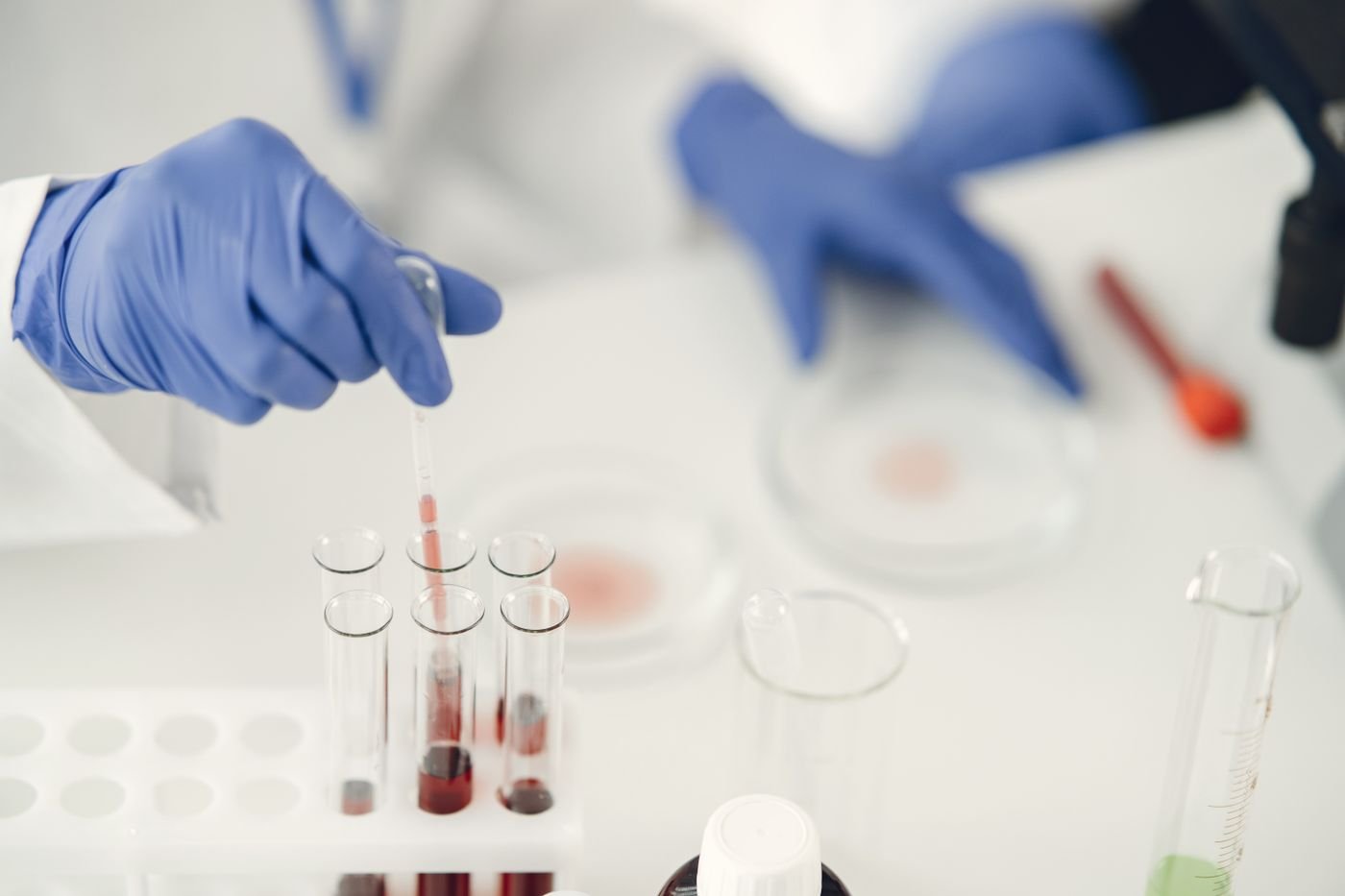
If you have ever opened a certificate of analysis (COA) for a CBD product, you have probably seen several THC lines: delta-9 THC, THCA, sometimes delta-8, and a “total THC” figure at the bottom. Most people skip past them. After the 2026 hemp law, that is no longer a good idea, because the line that matters has changed.
This guide explains the difference between total THC and delta-9 THC in plain terms, shows the math, and walks through how to read these numbers on a real label.
Total THC vs Delta-9 THC: The Difference in One Minute
A living hemp or cannabis plant makes very little active THC. Mostly it makes THCA (tetrahydrocannabinolic acid), which does not get you high on its own. When THCA is heated, by smoking, vaping, baking or during some manufacturing steps, it loses part of its molecule and becomes delta-9 THC, the compound that causes the high. This conversion is called decarboxylation.
So a lab can report two different things:
- Delta-9 THC: the active THC in the sample right now.
- Total THC: the active THC plus the THC that the sample’s THCA could turn into. It is the “worst case” figure.
For a finished CBD oil or gummy, the two numbers are often close, since most of the THCA has already converted during processing. For raw hemp flower, they can be very far apart, which is exactly the gap that let THCA flower be sold as “hemp” under the old rule.
How Total THC Is Calculated
Labs use a standard formula:
Total THC = delta-9 THC + (THCA × 0.877)
The 0.877 factor exists because THCA is a heavier molecule. When it converts, it loses a carbon dioxide group, and only about 87.7% of its weight ends up as THC. It is the same approach the USDA uses for hemp crop testing.
Example: a sample tests at 0.10% delta-9 THC and 0.40% THCA. Total THC is 0.10 + (0.40 × 0.877) = 0.45%. Under the old delta-9 rule, that sample passes at 0.10%. Under a total THC rule with a 0.3% ceiling, it fails.
Under the new federal definition, other THC forms such as delta-8 also count toward total THC, according to the Congressional Research Service. So if a COA lists delta-8 or delta-10, add those in as well.
Why This Matters Now: The December 11, 2026 Rule
The 2018 Farm Bill defined hemp by delta-9 THC alone: no more than 0.3% by dry weight. The 2026 rewrite of the hemp definition changes two things, and total THC is at the center of both:
- Hemp plants must stay at or under 0.3% total THC, including THCA.
- Finished consumer products can contain no more than 0.4 mg of total THC per container.
The rules take effect on December 11, 2026, after Congress pushed back the original November 12 date. The 0.3% THC legal limit explainer covers the history, and Will CBD Be Illegal in 2026? covers which products are affected.
From Percent to Milligrams: Reading the Numbers on a COA
This is where most confusion comes from. COAs report THC in different units, and the new rule uses a fourth one: milligrams per container. Here is how they connect.
| Unit on the COA | What it means | How to convert |
|---|---|---|
| % (percent by weight) | Share of the sample’s weight that is THC | Multiply by 10 to get mg per gram |
| mg/g | Milligrams of THC in each gram of product | Multiply by the product’s total weight in grams |
| mg per serving | THC in one gummy, capsule or dropper | Multiply by servings per container |
| mg per container | THC in the whole package | This is the figure the new rule uses: 0.4 mg or less |
Worked example, oil: a 30 ml bottle of CBD oil weighs about 28 grams. Its COA shows 0.05% total THC. That is 0.5 mg per gram, times 28 grams, which gives 14 mg of total THC in the bottle. It passes the old 0.3% rule easily and fails the new 0.4 mg cap by a wide margin.
Worked example, gummies: a jar has 30 gummies, and the COA shows 0.02 mg of total THC per gummy. That is 0.6 mg per jar, just over the new cap, even though no one would ever feel that amount of THC.
Those examples show why the new rule is so strict. It does not matter how the product feels. It matters what the whole container adds up to.
What “ND” Really Means on a Lab Report
Many THC-free products show THC as ND, or “non-detectable.” That is a good sign, but it is not the same as zero. ND means the amount was below the lab’s limit of quantitation (LOQ), the smallest amount that lab can measure reliably. Some labs report that limit on the COA, often as a small percentage.
For small products, ND is usually enough to be confident. For a large bottle, a tiny amount under the detection limit can still add up over many grams. As the new rule takes effect, expect careful brands to publish more sensitive tests, or a total THC figure per container. Until then, a COA with ND for delta-9 THC, THCA and delta-8, from an ISO-accredited lab and tied to your batch number, is the best signal you can get. Our guide on how to read a CBD COA shows where each of these appears on the page.
Total THC vs Total Cannabinoids
These two lines are easy to mix up. Total cannabinoids is the sum of every cannabinoid the lab measured: CBD, CBDA, CBG, CBN, THC and the rest. On a CBD product it is mostly CBD, and a high number is usually a good thing. Total THC is only the THC part. For the new law and for drug tests, total THC is the one that counts.
Does Total THC Affect Drug Tests?
Drug tests look for THC metabolites your body produces after taking in THC, whatever form it came in. THCA in a product you swallow does not convert as efficiently as it does when heated, but it is not guaranteed to be harmless, and delta-9 THC in any amount can build up with daily use. If you are tested, the safest choice is a product with ND across all THC forms. Our guide to CBD and drug tests goes further.
If you want a product built around that, Forest Mountain Farms CBD gummies are broad spectrum and publish batch COAs showing non-detectable THC. As always, check the COA for your batch.
→ Check Forest Mountain Farms CBD
Frequently Asked Questions
What is the difference between total THC and delta-9 THC?
Delta-9 THC is the active THC already present in a product. Total THC adds the THC that THCA could turn into when heated, calculated as delta-9 THC plus THCA multiplied by 0.877. Total THC is always equal to or higher than delta-9 alone.
How do you calculate total THC?
Use the formula total THC = delta-9 THC + (THCA × 0.877). For example, 0.10% delta-9 THC and 0.40% THCA gives 0.45% total THC. Under the new federal definition, other THC forms such as delta-8 are also counted.
Is total THC or delta-9 THC used for the hemp law?
Until December 11, 2026, federal hemp law uses delta-9 THC. From December 11, it uses total THC, with a 0.3% ceiling for hemp plants and a cap of 0.4 mg of total THC per container for finished products.
What does total THC mean on a COA?
It is the lab’s calculated maximum THC content of the sample, combining active delta-9 THC with the THC that THCA can produce. It may be shown as a percentage, in milligrams per gram, or per serving.
Is THCA the same as THC?
No. THCA is the raw, non-intoxicating form the plant produces. It becomes delta-9 THC when heated. That is why total THC counts THCA, since heat turns it into the compound that causes a high.
Does ND mean a product has zero THC?
Not exactly. ND means the THC level was below the lab’s limit of quantitation, the smallest amount it can measure reliably. For most products that is effectively THC-free, but in a large container a tiny undetected amount can still add up.
This article is for general information and is not legal or medical advice. Laws change, and state rules vary. This page contains affiliate links; we may earn a commission if you buy through them, at no extra cost to you.