By Marcus Reid | Last updated: September 24, 2026
This article contains affiliate links. Full disclosure appears with the product recommendations below.
Key takeaways
- CBD is most relevant for inflammation-driven hip pain: osteoarthritis, trochanteric bursitis, and general hip joint inflammation.
- A sublingual full-spectrum oil is the common daily choice because it is absorbed faster and more completely than gummies.
- A typical starting dose is 25 to 50 mg of CBD per day, split into two doses, held for at least four weeks before judging it.
- The evidence is limited to animal studies and self-reported surveys. There is no large controlled human trial of CBD for hip pain.
- CBD does not rebuild cartilage or repair torn tissue, so it will not fix a labral tear or advanced arthritis.
- In a 2022 self-reported survey of 428 people with arthritis, 83 percent said their pain improved after using CBD, with the osteoarthritis group reporting the biggest improvement (Journal of Cannabis Research, 2022).
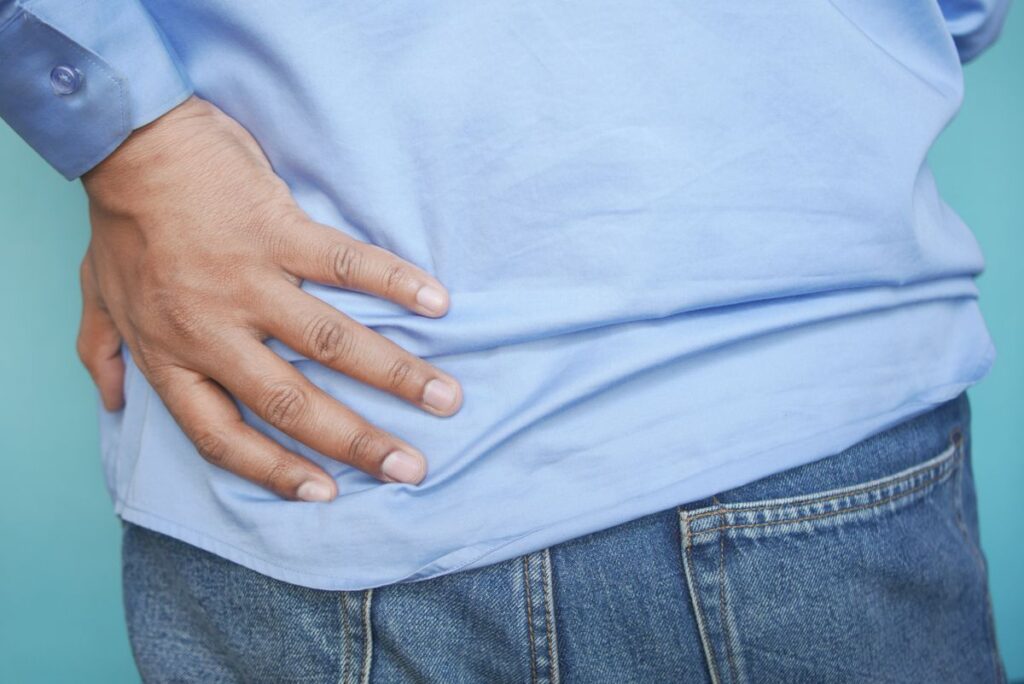
Hip pain is one of the most mobility-limiting kinds of chronic pain. It often radiates into the groin, the front of the thigh, or the lower back, which makes it harder to pin down than knee pain. Whether CBD is worth trying depends almost entirely on what is causing the pain, so the first job is to identify the type.
How does CBD work for hip pain?
CBD works on hip pain mainly through the endocannabinoid system, a signaling network that regulates inflammation and pain in joints and nerves. CBD, short for cannabidiol, is a non-intoxicating compound from the hemp plant. Researchers are especially interested in its activity at CB2 receptors, immune-related receptors in joint tissue, and its effect on inflammatory signaling in the synovial lining, the thin tissue that cushions the joint.
The clearest supporting data so far is preclinical. In a 2016 study published in the European Journal of Pain, transdermal CBD reduced joint swelling, immune cell infiltration, and pain-related behavior in rats with induced arthritis, and the effect grew with the dose (Hammell et al., 2016). That was an animal study, so it does not prove the same effect in people, but it is one reason CBD keeps being studied for inflammatory joint pain.
Which types of hip pain respond best to CBD?
CBD is most relevant for inflammation-driven hip pain, such as hip osteoarthritis and trochanteric bursitis. It is far less likely to help structural problems like labral tears, because CBD does not repair tissue.
Hip osteoarthritis
Osteoarthritis is the most common cause of chronic hip pain in adults over 50. The pain has a large inflammatory component, and that is the part CBD has been studied for. For early to moderate osteoarthritis, some people report that it takes the edge off daily stiffness and ache. For severe bone-on-bone arthritis, it may reduce the inflammatory layer of the pain but will not change the joint damage underneath. See Best CBD for Arthritis Pain for more on the arthritis side.
Trochanteric bursitis
This is inflammation of the bursa on the outer point of the hip. It sits close to the skin surface and it is a fairly pure inflammation problem, which makes it one of the better use cases for CBD. Many people pair an oral dose with a topical rubbed directly over the sore spot.
If you are looking for that topical half, our review of the cbdMD Freeze Roller explains what a menthol and broad spectrum CBD roll-on actually does, and how long the relief lasts on a joint.
Hip flexor and piriformis tension
Tight hip flexors and a tight piriformis, a small muscle deep in the buttock that can irritate the sciatic nerve when tight, can create a deep ache that people read as hip pain, often from long hours sitting. CBD is thought to support muscle relaxation partly through GABA, a calming neurotransmitter in the nervous system, though this has not been studied specifically for hip flexor or piriformis tension. It may help the muscular part a little, but stretching, movement, and posture work do more here.
Sciatica referred to the hip
Compression of a nerve root in the lower back frequently sends pain into the buttock and hip. CBD has been studied for nerve-related pain, with mixed results. See CBD for Sciatica for the nerve component.
Labral tear and structural damage
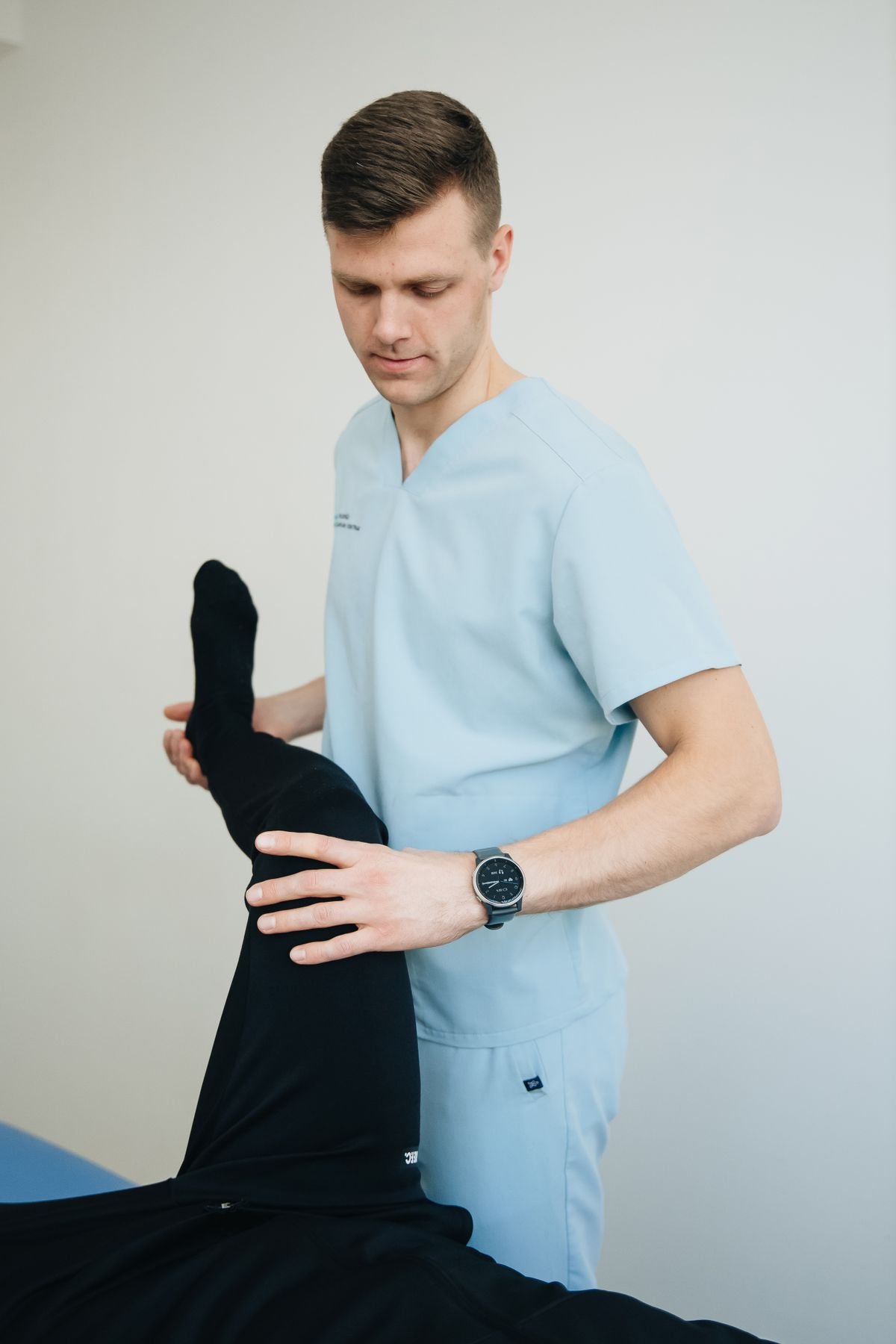
A labral tear is a structural injury to the cartilage ring around the hip socket. CBD may calm the inflammation around it, but it cannot repair the tissue. Physical therapy or surgery addresses the cause.
| Hip pain type | Why CBD may be relevant | What to expect |
|---|---|---|
| Hip osteoarthritis | Inflammatory component, CB2 activity | Modest relief that builds over weeks |
| Trochanteric bursitis | Surface-level inflammation | One of the stronger use cases, oil plus topical |
| Hip flexor or piriformis tension | Muscle relaxation signaling | Mild and indirect, movement work matters more |
| Sciatica referred to the hip | Effect on nerve pain signaling | Variable, often disappointing |
| Labral tear or bone-on-bone arthritis | Structural damage, no tissue repair | Not expected to help the cause |
What does the research on CBD and hip pain show?
There is no large controlled human trial of CBD for hip pain specifically. The evidence that exists points in a hopeful direction but cannot prove cause and effect.
The 2016 rat study described above (Hammell et al., European Journal of Pain) showed that CBD lowered joint inflammation and pain behavior in an animal model of arthritis. On the human side, a 2022 cross-sectional survey of 428 people with arthritis, published in the Journal of Cannabis Research, found that 83 percent reported an improvement in pain after using CBD, along with 66 percent for physical function and 66 percent for sleep. The osteoarthritis subgroup reported the largest reduction, and about 60 percent of respondents said they cut back or stopped another medication (Frane et al., 2022). That was self-reported by people who chose to answer a survey, with no control group, so it reflects experience rather than proof.
| Study | Design | Main finding | Key limitation |
|---|---|---|---|
| Hammell et al., 2016, European Journal of Pain | Preclinical, rat arthritis model | Transdermal CBD reduced inflammation and pain behavior, dose dependent | Animal study, may not transfer to people |
| Frane et al., 2022, Journal of Cannabis Research | Cross-sectional survey, 428 arthritis patients | 83 percent reported pain improvement, osteoarthritis subgroup largest | Self-reported, no control group, association only |
For plain-language background on cannabinoids and health, the U.S. National Center for Complementary and Integrative Health keeps an overview (NCCIH: Cannabis and Cannabinoids).
Is CBD oil, gummies, or a topical better for hip pain?
For hip pain, a sublingual full-spectrum oil is the practical daily option. Held under the tongue, it is absorbed faster and more completely than a gummy, which has to pass through digestion first. Bioavailability, the percentage of a CBD dose that actually reaches the bloodstream, is one of the main reasons format matters. Commonly cited ranges put sublingual bioavailability around 20 to 35 percent with a 15 to 45 minute onset, versus roughly 6 to 19 percent and 45 to 90 minutes for edibles. Gummies still have a place because the dose is fixed and they are easy to keep up with. A topical can be added over the outer hip for bursitis. See CBD Oil vs Gummies vs Capsules for a full format comparison.
| Format | Absorption | Onset | Best for |
|---|---|---|---|
| Sublingual oil | Higher, roughly 20 to 35 percent | 15 to 45 minutes | A steady daily baseline dose |
| Gummies | Lower, roughly 6 to 19 percent | 45 to 90 minutes | Fixed doses and convenience |
| Topical cream or balm | Local only, not systemic | 10 to 20 minutes at the surface | Trochanteric bursitis on the outer hip |
Which CBD products do people use for hip pain?
Disclosure: Some links below are affiliate links. If you buy through them we may earn a commission at no extra cost to you. It does not change which products we list or what we say about them.
These picks are based on published lab data and public selection criteria, not on hands-on testing of each product for hip pain specifically. We looked for full-spectrum products that publish a recent third-party lab report, list cannabinoid content that matches the label, name the carrier oil, and offer a return policy, and we checked each brand’s current lab report before publishing this page. Both options below are full-spectrum, which means they contain trace THC under the 0.3 percent legal limit. Neither is THC-free. If you are drug tested, skip these and choose a broad-spectrum or CBD isolate product instead.
CBD Pure Hemp Oil, for a daily baseline
This is the only true tincture of the three, which fits the case for steady sublingual dosing in chronic hip pain. It is a simple full-spectrum hemp oil with a published certificate of analysis.
Good: sublingual format, third-party lab report, straightforward single-strength bottle, long return window.
Less good: strong natural hemp taste, only one potency so new users have to measure carefully, contains trace THC.
CBD Care Full Spectrum, as a second option
A full-spectrum alternative if CBD Pure Hemp Oil is out of stock or not shipping to your state. Check the current lab report and potency on the product page before buying.
Good: full-spectrum formula, another supplier if availability is tight.
Less good: spec details vary by batch, confirm the lab report date, contains trace THC.
For the wider category and how these picks compare with other pain products, see our pillar guide, Best CBD for Pain Relief, plus Best CBD for Joint Pain.
How much CBD should you take for hip pain?
Dosing for CBD in joint pain is not standardized, so the sensible approach is to start low and increase slowly. A common starting point is 25 to 50 mg per day, split into two doses. People with chronic hip osteoarthritis often settle somewhere around 50 to 75 mg per day. These ranges come from general consumer CBD dosing guides, not from a clinical trial on hip pain specifically. Start lower than this if you take other medicines, and check with a doctor first to rule out a serious cause of the pain before you self-treat with CBD. See the CBD Dosage Guide for full detail.
- Start at about 25 mg per day, taken as roughly 12 mg in the morning and 12 mg in the evening.
- Hold that for one to two weeks and note your pain and stiffness.
- If nothing changes, raise the daily amount by 5 to 10 mg.
- Give any dose at least four weeks before deciding it does not work.
- Once relief levels off, stay at the lowest dose that holds it.
How long does CBD take to work for hip pain?
Sublingual CBD reaches peak levels in the blood in about one to two hours, and some people notice their hip feels a little looser the same day. For inflammation-driven pain, the more realistic window is two to four weeks of consistent daily use, because the anti-inflammatory effect builds up over time rather than from a single dose. If four to six weeks of steady dosing does nothing, it is reasonable to stop or switch.

Can you use CBD topically on your hip?
Yes, and it makes the most sense for trochanteric bursitis, since that structure sits close to the skin on the outer hip. A CBD cream or balm massaged into the area acts locally. It does not reach the deep hip joint well, so for hip osteoarthritis most people use a topical alongside an oral or sublingual dose rather than instead of it.
Is CBD safe to combine with hip pain medication?
CBD can be combined with some hip pain medications, but not automatically and not without checking first. It affects CYP450, a group of liver enzymes that breaks down many drugs, which can raise or lower the levels of NSAIDs, corticosteroids, opioids, or blood thinners such as warfarin in the blood. The result can be higher or lower drug levels than intended and a greater chance of side effects. At lower CBD doses the interaction is often minor, but it is still worth disclosing. Talk to a doctor or pharmacist before combining CBD with prescription hip pain medication, especially for daily use. See CBD Drug Interactions.
When should you see a doctor about hip pain?
See a doctor promptly if hip pain follows a fall, wakes you at night, comes with fever or unexplained weight loss, or if the hip gives way or will not bear weight. These signs can point to a fracture, infection, avascular necrosis (loss of blood supply to the bone), or a joint that needs replacement, none of which CBD can treat. Hip pain is not something to self-treat indefinitely, so see a clinician to get a diagnosis first. Used carefully, CBD is a possible add-on for the inflammatory part of the pain while you and your doctor deal with the cause.
Related reading: CBD for Knee Pain, Best CBD for Back Pain, our joint pain guide.
Frequently Asked Questions
Does CBD help hip pain from arthritis?
In a 2022 survey of 428 people with arthritis, 83 percent reported that their pain improved after using CBD, and the osteoarthritis group reported the biggest drop (Frane et al., Journal of Cannabis Research). The data were self-reported with no control group, so it shows a pattern, not proof. CBD has been studied mainly for the inflammatory part of arthritis pain, not for structural joint damage.
How long does CBD take to help hip pain?
Sublingual CBD peaks in the blood within one to two hours and may ease hip stiffness the same day. For ongoing inflammation-driven hip pain, most people give it two to four weeks of consistent daily dosing before judging it, because the anti-inflammatory effect builds gradually rather than from a single dose.
What is the best CBD dosage for hip pain?
A common starting point is 25 to 50 mg of CBD per day, split into two doses, held for at least four weeks. People with chronic hip osteoarthritis often move up to around 50 to 75 mg per day, increasing in small 5 to 10 mg steps until relief levels off. Start lower if you take interacting medications.
Is CBD oil or CBD gummies better for hip pain?
Sublingual CBD oil is generally the better choice for hip pain because it is absorbed faster and more completely than an edible, which has to pass through digestion first. Gummies give a lower and slower dose but win on convenience and a fixed amount per piece. Many people use oil daily and keep gummies for travel.
Can I apply CBD topically to my hip?
Yes. A CBD balm or cream rubbed over the outer hip can target trochanteric bursitis, which sits close to the skin. Topicals act locally and do not reach the deep hip joint well, so people with hip osteoarthritis usually pair a topical with a sublingual oil rather than relying on it alone.
Is CBD safe with hip pain medication?
CBD can affect liver CYP450 enzymes and change how some pain medicines, anti-inflammatories, and blood thinners are processed, which can raise the risk of side effects. Check with a doctor or pharmacist before taking CBD alongside prescription hip pain medication, especially for daily use.
Does CBD for hip pain show up on a drug test?
It can. The full-spectrum products described here contain trace THC under 0.3 percent and none are THC-free. Regular full-spectrum use can produce a positive THC result on some workplace tests. If you are drug tested, choose a broad-spectrum or CBD isolate product instead.
Does CBD help with hip bursitis?
CBD is often considered one of the better use cases for hip bursitis because the bursa sits close to the skin and the pain is largely inflammatory. Many people pair a sublingual oil with a topical applied directly over the outer hip. This has not been studied in a controlled trial specific to bursitis.
About the author
Marcus Reid is a wellness journalist with over a decade of experience covering natural health products and cannabinoid research. He independently tests and reviews CBD products with a focus on transparency, third-party lab data, and real-world results. Every product recommendation on this page is checked against the brand’s current lab report and return policy before publication. Marcus is not a medical professional, and no physician reviewed this article. It is general information, not a substitute for personal medical advice.
Sources
- Hammell DC, et al. Transdermal cannabidiol reduces inflammation and pain-related behaviours in a rat model of arthritis. European Journal of Pain. 2016;20(6):936-948. PubMed
- Frane N, et al. Cannabidiol as a treatment for arthritis and joint pain: an exploratory cross-sectional study. Journal of Cannabis Research. 2022;4:47. PubMed
- National Center for Complementary and Integrative Health. Cannabis (Marijuana) and Cannabinoids: What You Need To Know. nccih.nih.gov