By Marcus Reid | Last updated: September 4, 2026
Search interest in CBD massage oil has been climbing, and most of the people typing that phrase are not asking a scientific question. They want to know if it is worth buying separately, whether it actually does anything beyond making the massage smell nice, and how it is different from the CBD oil they already take by mouth. Those are fair questions, and the answer depends on understanding what CBD actually does when it stays on the surface of your skin instead of entering your bloodstream.
CBD Massage Oil vs Regular CBD Oil: The Real Difference
A standard CBD oil tincture is built to be absorbed, usually held under the tongue for 60 to 90 seconds so the cannabinoids pass through tissue in the mouth and into the bloodstream. A CBD massage oil is built to stay where you put it. It is typically a heavier carrier oil, sometimes blended with arnica, eucalyptus, or menthol, formulated for slip and glide during a massage rather than for sublingual absorption.
This matters because the two products work through different mechanisms. Swallowed or sublingual CBD eventually reaches receptors throughout the body. Topical CBD interacts primarily with cannabinoid receptors in the skin and underlying muscle tissue, without needing to reach general circulation first. For a full breakdown of how absorption route changes what CBD actually does, see our CBD Bioavailability Guide.
What the Research Actually Shows About Topical CBD
The skin contains its own network of cannabinoid receptors, part of what researchers call the peripheral endocannabinoid system, concentrated in nerve endings, sebaceous glands, and immune cells sitting just under the surface. A study published in Current Pharmaceutical Biotechnology tested topical CBD oil in people with peripheral neuropathy and found meaningful relief in pain and other nerve-related sensations in the treated areas compared to placebo. You can read the study on PubMed.
That result lines up with what massage therapists who work with CBD oil generally report anecdotally: it seems most useful for localized muscle tension and joint stiffness, the exact areas a massage already targets. It is not a substitute for the mechanical benefit of the massage itself, the manipulation of muscle and connective tissue is still doing most of the work. The CBD is best thought of as an additional layer on top of that, not the main event.
What to Look For in a CBD Massage Oil
- A carrier oil that suits massage, not just skincare: Jojoba and sweet almond oil have enough slip for a real massage session. Some CBD topicals are formulated more like a lotion or balm, which works for spot treatment but not for a full massage.
- Third-party lab testing: The same Certificate of Analysis standard that applies to oral CBD applies here. A topical product should still disclose verified CBD content and screen for contaminants.
- Full-spectrum or broad-spectrum, not necessarily isolate: Because topical CBD stays localized, the entourage effect from other cannabinoids and terpenes may matter more here than in a fast-absorbed oral product. See our comparison: Full-Spectrum vs Broad-Spectrum vs Isolate.
- No added synthetic fragrance overload: A little eucalyptus or lavender is standard and pleasant. A long list of unlisted “fragrance” ingredients is a sign of a lower-quality product cutting corners.
Can You Just Use Regular CBD Oil for a Massage?
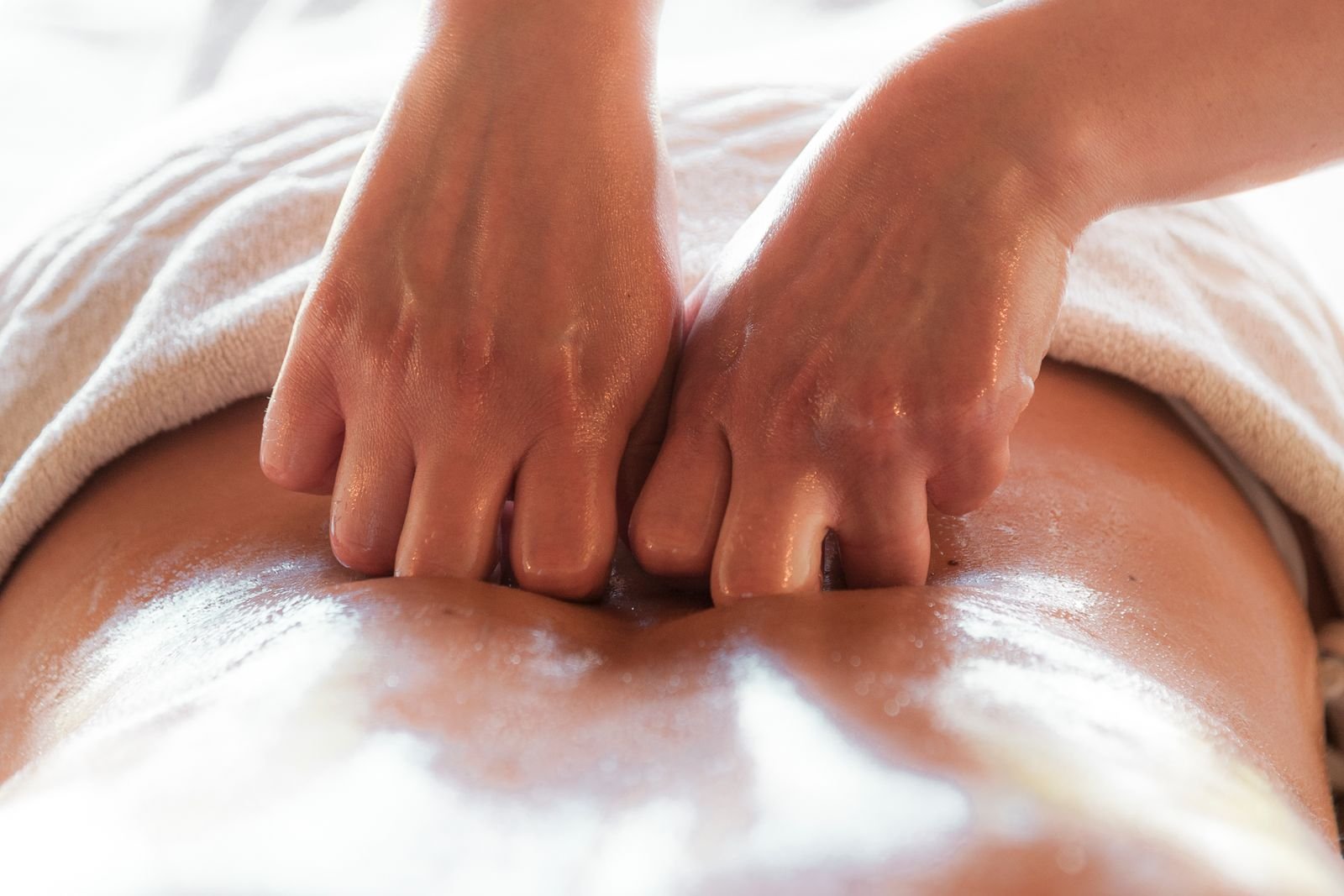
Technically yes, but it is usually not the better choice. Most sublingual CBD oils are formulated with thinner carrier oils like MCT specifically so they absorb quickly under the tongue, which means they soak into skin fast during a massage rather than providing the glide a massage actually needs. If you already own a CBD oil like CBD Pure Hemp Oil and want to try it topically on a small, specific area, that is reasonable. For a full-body massage session, a purpose-built massage oil with a heavier carrier base will hold up far better across an hour of continuous use.
How to Use CBD Massage Oil
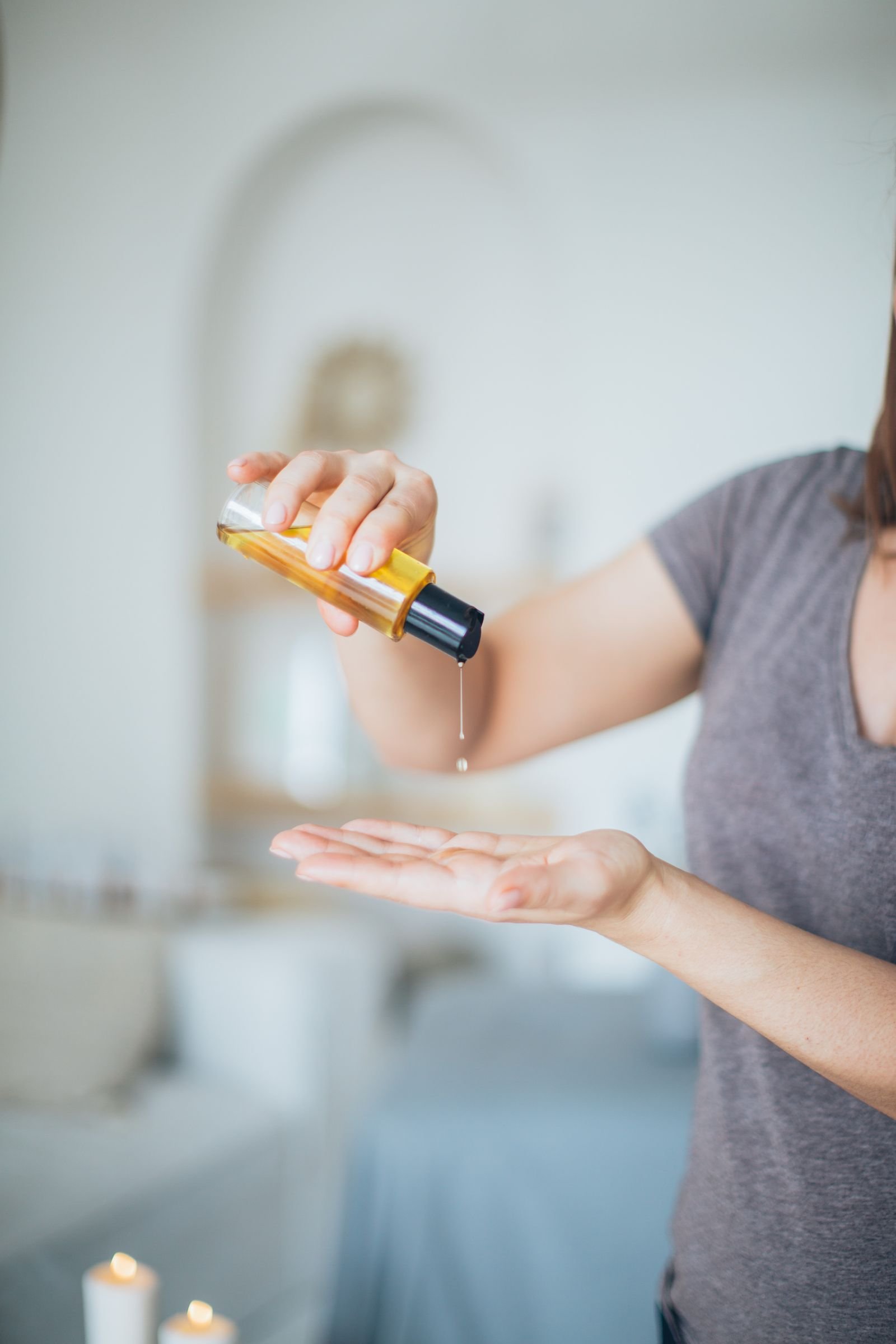
Warm a small amount between your palms before applying, both for comfort and because gentle heat helps the oil spread evenly. Focus on areas with genuine muscle tension or joint stiffness rather than covering the entire body, since the localized effect is strongest where it is applied directly. Reapply as needed during a longer session. Unlike oral CBD, there is no meaningful dosing concern with topical use, since very little of what touches the skin reaches general circulation, so there is no need to track milligrams the way you would with an oral CBD dose.
Always patch-test a new topical on a small area of skin first, especially if you have sensitive skin or known allergies to specific carrier oils or essential oil additives.
Frequently Asked Questions
Does CBD massage oil get absorbed into the bloodstream?
Very little of it does. Topical CBD interacts mainly with cannabinoid receptors in the skin and underlying tissue rather than passing into general circulation the way an oral tincture does. This is why it will not produce systemic effects like drowsiness and will not show a measurable presence in standard drug testing.
Is CBD massage oil different from CBD lotion or balm?
Yes. Massage oil is formulated for slip and glide during an extended massage session, while lotions and balms are typically thicker and made for spot application without ongoing manipulation of the skin. Both work through the same topical mechanism, the format just suits a different use case.
Can I use regular CBD oil as a massage oil?
You can for small, targeted areas, but most sublingual CBD oils use thinner carrier oils that absorb too quickly for a full massage. A dedicated massage oil with a heavier carrier base like jojoba or sweet almond oil holds up better across a longer session.
How much CBD should be in a massage oil?
There is no established dosing standard for topical CBD the way there is for oral use, since very little reaches the bloodstream. Look for a product with a clearly stated total CBD content and a published Certificate of Analysis rather than focusing on milligrams per application.