By Marcus Reid | Last updated: July 1, 2026
CBD patches are one of the least-discussed delivery formats in the consumer market, but they have a distinct pharmacological profile that makes them genuinely useful for specific situations. Unlike oils, gummies, or capsules that produce peaks and troughs in blood CBD levels, patches deliver CBD continuously over several hours or days. Whether that profile fits your needs depends on what you are trying to achieve.
What Is a CBD Patch?
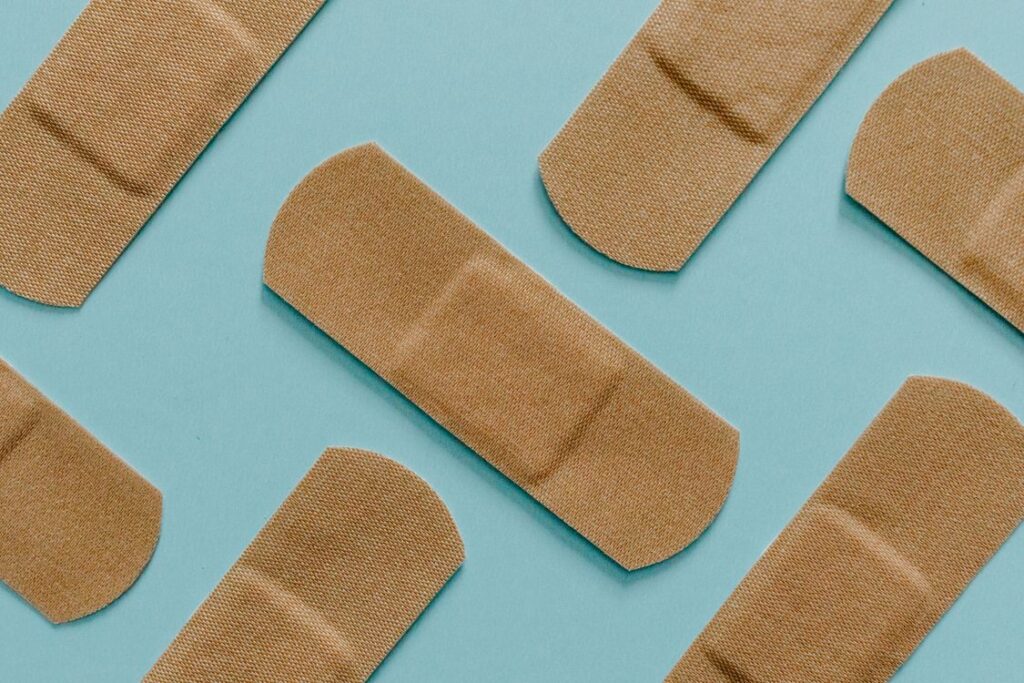
A CBD patch is an adhesive strip, similar to a nicotine or hormone patch, that is applied directly to the skin. CBD is embedded in the patch matrix and released slowly through the skin into the bloodstream over time. This is called transdermal delivery, and it works through a different mechanism than any other CBD format on the market.
The skin is not designed to absorb large molecules easily, which is why CBD patches require specific formulation to be effective. Quality patches use penetration enhancers or liposomal technology to help CBD pass through the outer skin layer (stratum corneum) and reach the capillaries beneath. Not all patches on the market achieve this effectively, which is why product quality and formulation matter significantly more with patches than with oral CBD formats.
How Transdermal CBD Delivery Works
When you take CBD orally, it passes through the digestive system and liver before reaching the bloodstream. This first-pass metabolism significantly reduces the amount of CBD that ultimately reaches systemic circulation, which is why oral CBD has relatively low bioavailability (6% to 19% for gummies and capsules).
Transdermal delivery bypasses the digestive system entirely. CBD absorbed through the skin enters capillaries directly and reaches systemic circulation without first-pass liver metabolism. This means a higher proportion of the CBD in the patch reaches the bloodstream compared to an equivalent oral dose. A 2019 review in the European Journal of Pharmaceutics and Biopharmaceutics noted that transdermal cannabinoid delivery systems show promise for achieving consistent plasma concentrations not achievable with oral administration.
The release rate from a well-formulated patch is relatively constant, which produces steady blood levels over the wear period rather than the peak-and-trough pattern of oral CBD. This is the defining pharmacological advantage of the patch format. For more on how different delivery formats compare, see: CBD Oil vs Gummies vs Capsules: Which Works Best?.
Advantages of CBD Patches
Consistent blood levels: The most clinically relevant advantage. For people managing chronic conditions that require stable CBD coverage throughout the day, a patch eliminates the dosing schedule required with oils or gummies. One patch applied in the morning can provide coverage for 8 to 24 hours depending on the product.
No gastrointestinal involvement: People with digestive issues, irritable bowel syndrome, or those who simply have unpredictable absorption from oral CBD may find patches more reliable. The absorption route is consistent regardless of what you have eaten or your digestive state.
Discreet and convenient: Patches can be applied under clothing and worn throughout the day without the need to take doses. This is practically useful for people whose daily schedule makes consistent dosing difficult.
No liver metabolism concerns: For people on medications that interact with CBD at the liver enzyme level, bypassing first-pass metabolism reduces (though does not eliminate) the interaction risk. This is relevant for older adults on multiple medications who want to explore CBD. For more on drug interactions, see: CBD Side Effects: What to Know Before You Start.
Limitations of CBD Patches
Slower onset: Transdermal absorption takes longer than sublingual oil. Expect 45 minutes to 2 hours before effects are noticeable. For acute needs (breakthrough pain, sudden anxiety), patches are not the right format. Sublingual CBD oil is more appropriate for fast response situations.
Fixed dose: Unlike oil, where you can adjust dose drop by drop, patches come in fixed doses. If the available patch strength does not match your optimal dose, you have less flexibility than with other formats.
Skin sensitivity: Some people experience local irritation, redness, or itching at the application site. Rotating the application site helps reduce this. Avoid broken or irritated skin.
Higher cost per dose: Patches are generally more expensive per milligram of CBD than oils or gummies. The benefit of consistent delivery may justify this for the right person, but it makes patches less practical as a first-choice format for cost-conscious buyers.
Who CBD Patches Work Best For
CBD patches suit people whose primary goal is consistent, all-day CBD coverage without the need to remember doses. They are particularly relevant for:
Chronic pain management: Conditions like arthritis, fibromyalgia, and neuropathy benefit from stable CBD levels throughout the day rather than the peak-trough pattern of oral dosing. A patch worn during waking hours maintains consistent coverage. For more on CBD for chronic pain, see: Best CBD Gummies for Arthritis Pain.
People with digestive issues: Unpredictable gut motility can make oral CBD inconsistent. Transdermal delivery removes this variable entirely.
Busy schedules: Apply once in the morning and forget it. For people who find it difficult to maintain a consistent oral dosing schedule, a patch simplifies compliance significantly.
For dosing guidance on CBD generally, see: CBD Dosage Guide: How Much Should You Actually Take?.
Frequently Asked Questions
How long does a CBD patch last?
Most CBD patches are designed for 8 to 24 hours of wear, with some extended-release formulations lasting up to 96 hours. The release duration depends on the patch design, the CBD concentration, and the penetration enhancers used. Check the product specifications for the intended wear time of any specific patch.
Where do you apply a CBD patch?
The best application sites are areas with thin skin and good blood supply: the inner wrist, inner arm, back of the knee, ankle, or shoulder. Avoid areas with thick skin (palms, soles), broken or irritated skin, or areas where the patch will be under constant friction or movement. Rotate application sites to avoid skin irritation from repeated use in the same spot.
Are CBD patches stronger than gummies?
Not stronger in terms of total CBD dose, but more bioavailable because transdermal delivery bypasses first-pass liver metabolism. A 20mg CBD patch may produce similar or greater systemic effects compared to a 30mg oral gummy, because more of the patch’s CBD reaches circulation. The relevant difference is not dose size but delivery efficiency and blood level profile.
Do CBD patches show up on a drug test?
Standard drug tests screen for THC metabolites. CBD isolate patches contain no THC and should not trigger a positive test. Full-spectrum patches contain trace THC that enters the bloodstream continuously over the wear period. For drug-tested individuals, isolate or broad-spectrum patches with verified non-detectable THC are the appropriate choice.